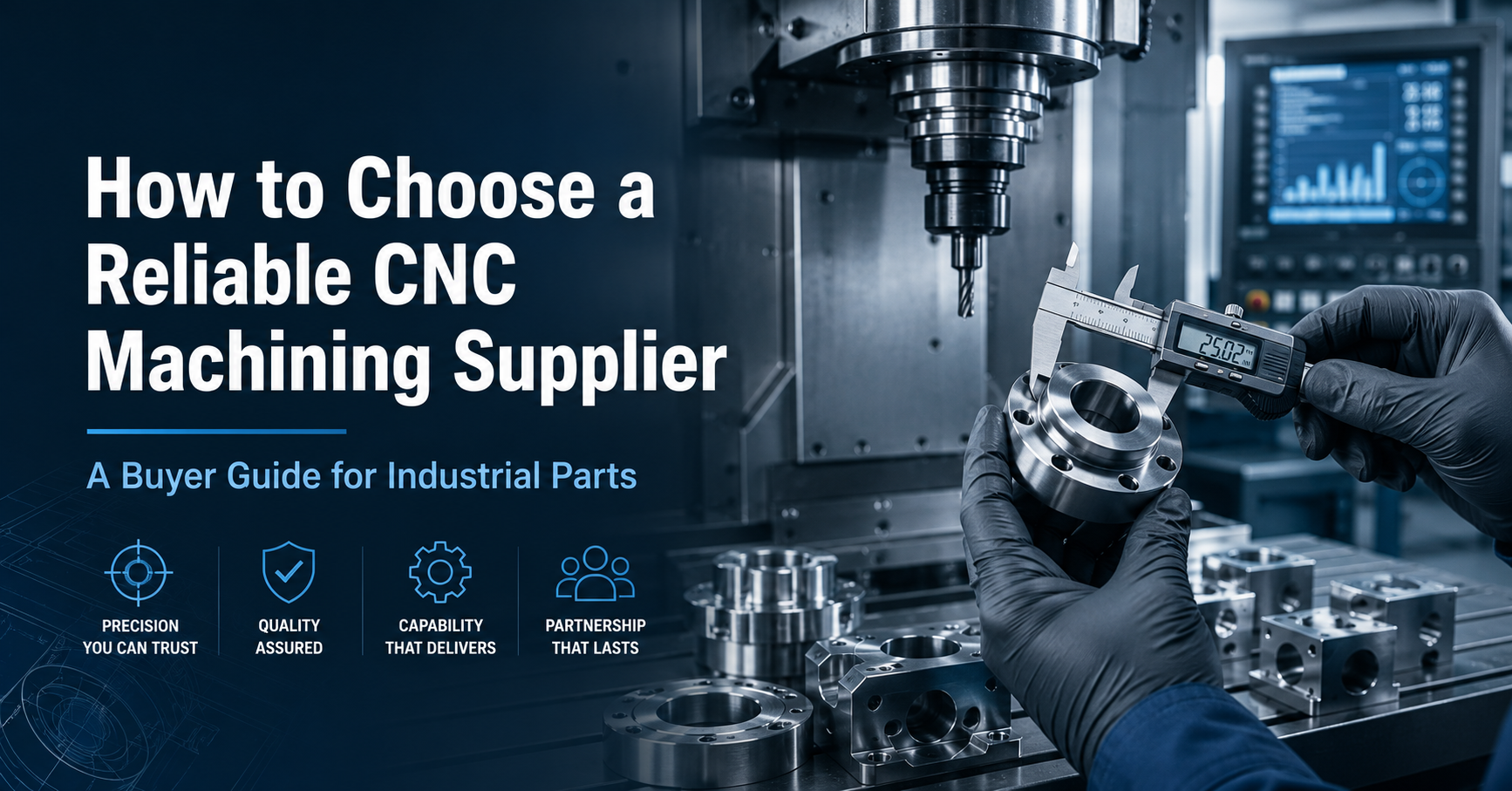

Why Choosing the Right CNC Machining Supplier Matters
For OEM manufacturers, product designers and purchasing teams, selecting a CNC machining supplier is not only about finding a company that can produce parts. It is about building a reliable manufacturing partnership that can support product development, quality requirements and long-term production needs.
A suitable supplier directly affects:
- product quality
- manufacturing cost
- delivery schedule
- production scalability
- supply chain stability
Many companies experience problems after selecting suppliers based only on price. Common issues include inconsistent dimensions, delayed delivery, poor communication, limited engineering support and unexpected production costs.
A professional CNC machining supplier should provide more than machining equipment. They should offer engineering knowledge, process control, quality assurance and reliable project management.
Understand Your Manufacturing Requirements Before Selecting a Supplier
Before contacting suppliers, buyers should clearly define their project requirements.
Important information includes:
- part drawings
- 3D CAD files
- materials
- tolerances
- surface finishing requirements
- production quantity
- expected delivery schedule
A clear project specification allows suppliers to provide more accurate quotations and manufacturing recommendations.
For example, a prototype component and a production part may require completely different machining strategies. A supplier experienced in low-volume prototypes may not always be the best choice for high-volume production.
Evaluate CNC Machining Capabilities
The first step when evaluating a supplier is understanding their actual manufacturing capabilities.
A qualified CNC machining supplier should have suitable equipment and technical experience for your application.
Important capability areas include:
CNC Machine Types
Check whether the supplier supports:
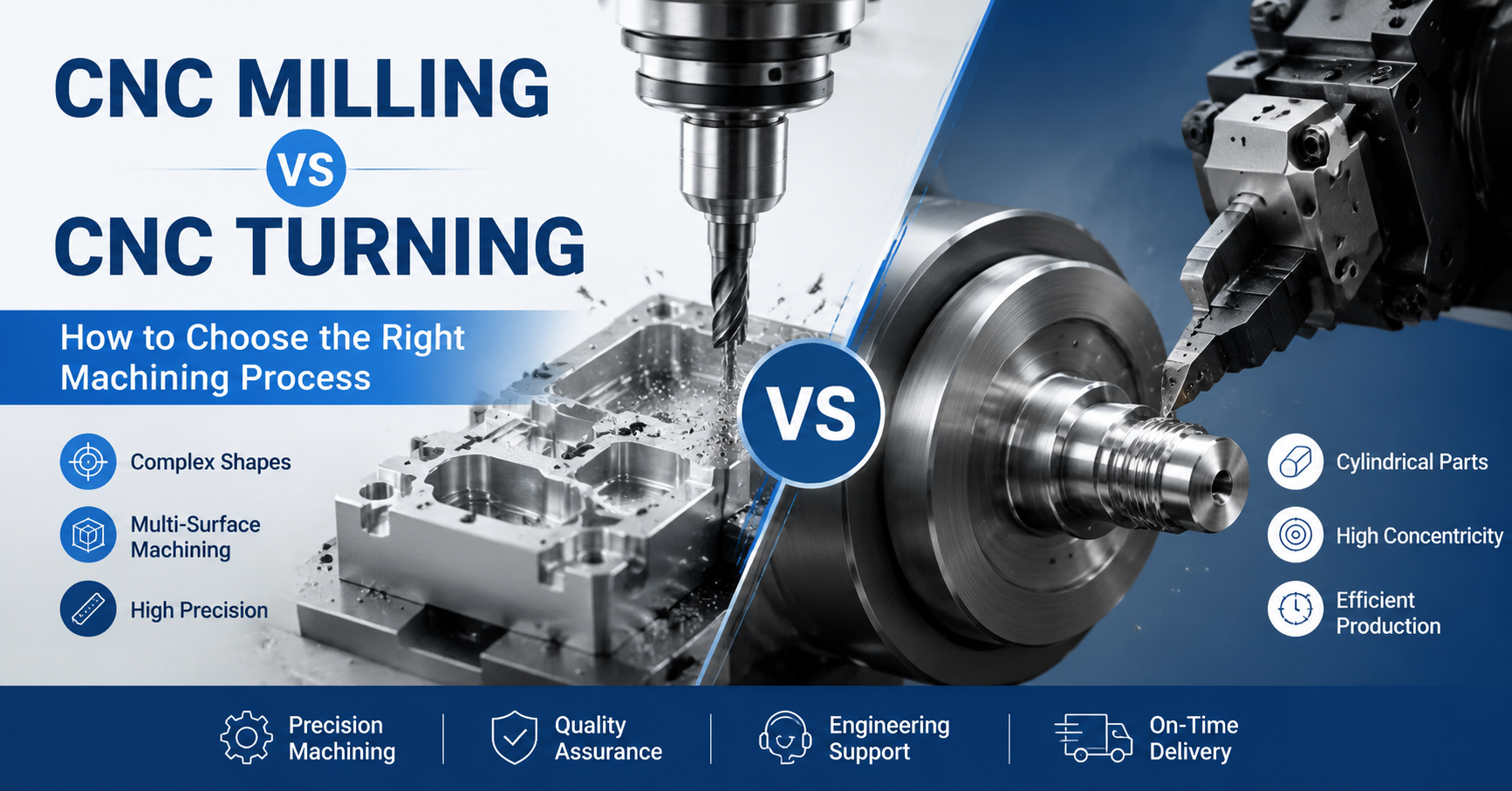
- CNC milling
- CNC turning
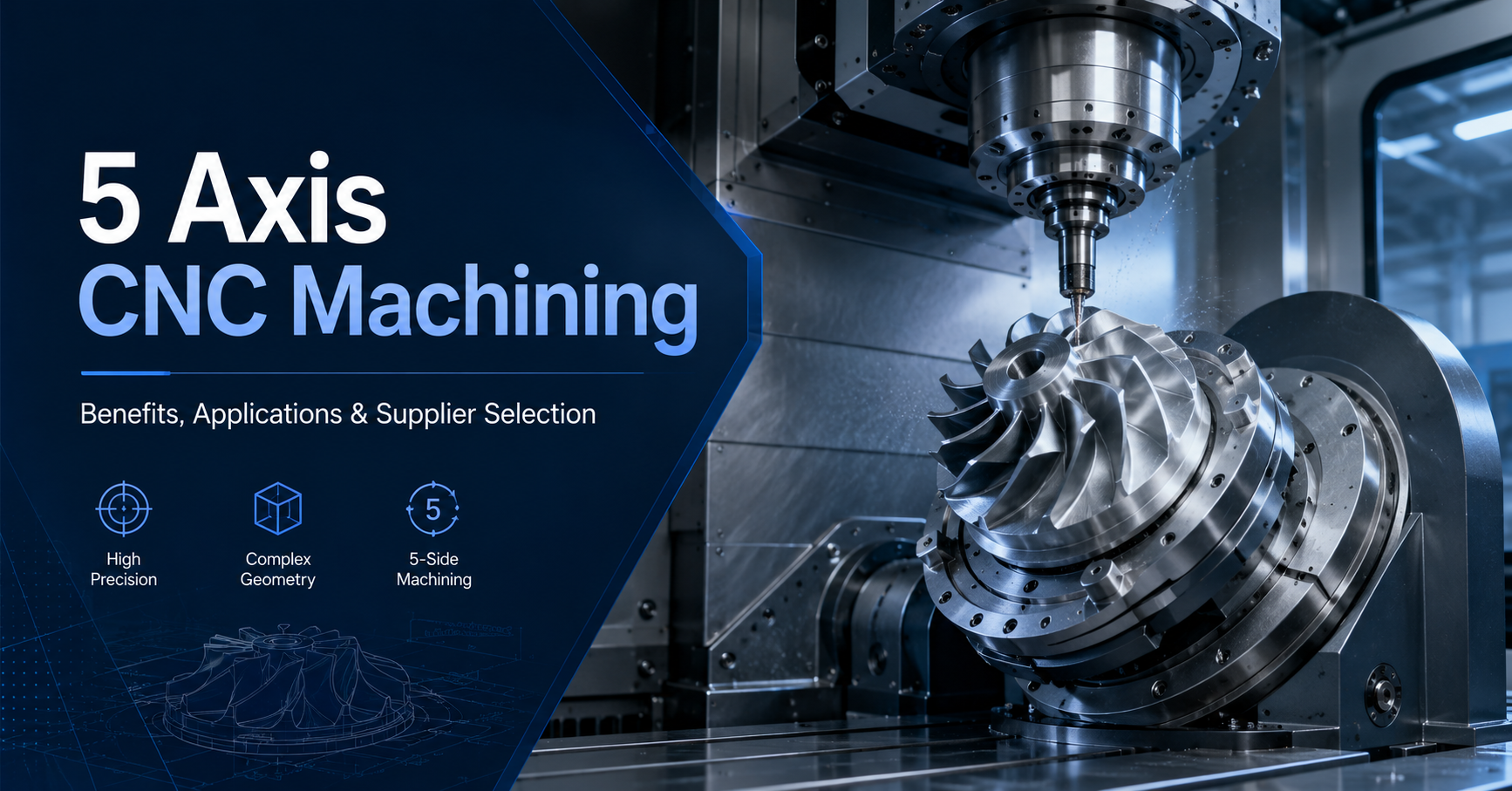
- multi-axis machining
- drilling
- tapping
- precision finishing
Different products require different machining technologies.
For example:
Complex aluminum housings may require multi-axis CNC milling, while shafts and cylindrical components are better suited for CNC turning.
Material Experience
A reliable supplier should understand how different materials behave during machining.
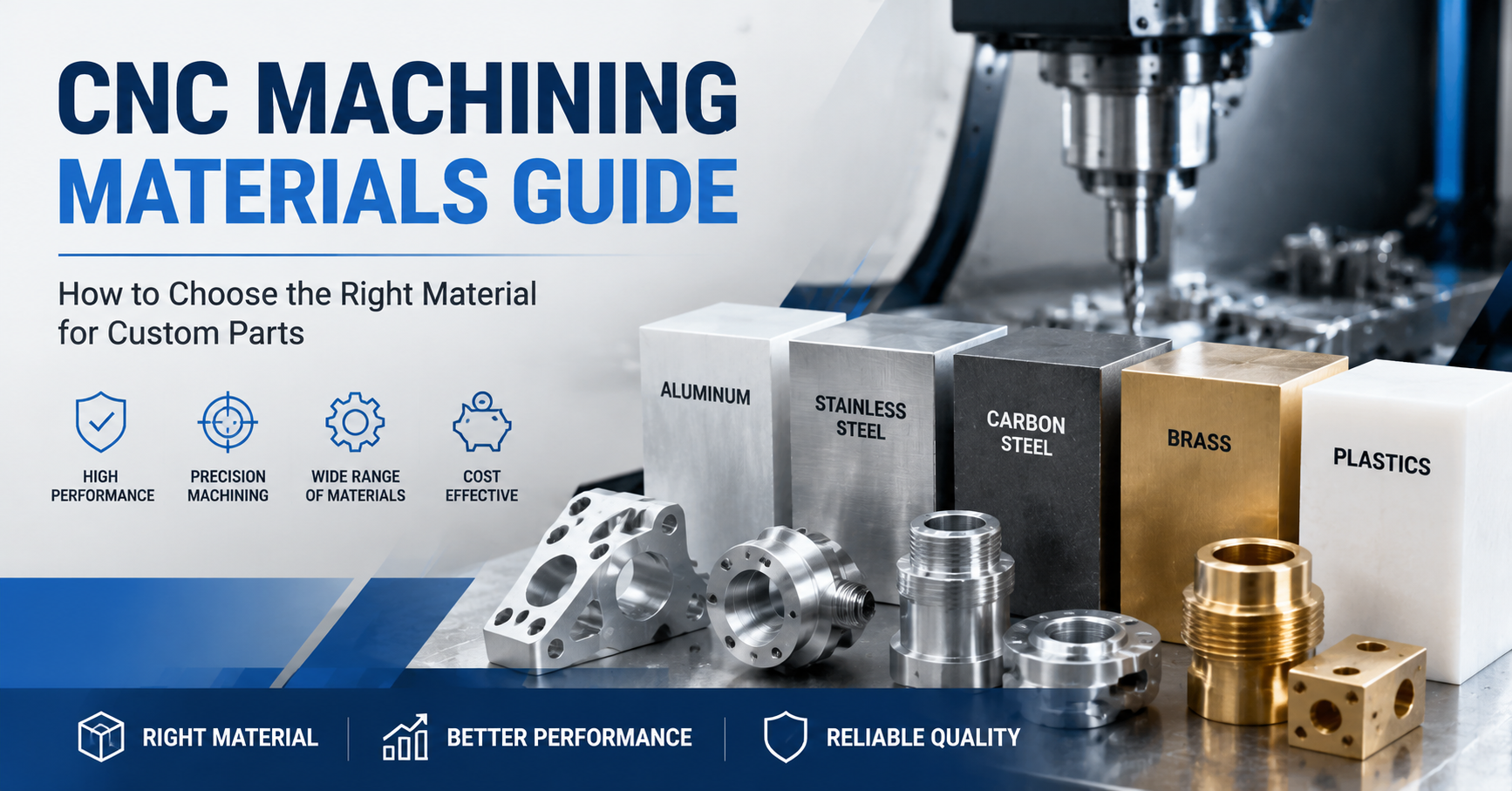
Common materials include:
| Material | Typical Applications |
|---|---|
| Aluminum | Lightweight housings, brackets, aerospace parts |
| Stainless Steel | Corrosion-resistant components |
| Carbon Steel | Structural and mechanical parts |
| Brass | Electrical and precision components |
| Engineering Plastics | Lightweight industrial applications |
Material experience helps prevent problems such as:
- deformation
- poor surface finish
- tool wear
- dimensional instability
Check Engineering Support and DFM Capability
A strong CNC machining supplier should provide engineering support before production begins.
Design for Manufacturing (DFM) review helps identify potential manufacturing problems before machining starts.
A professional supplier can review:
- unnecessary tight tolerances
- difficult machining areas
- tool accessibility
- fixture requirements
- material selection
- machining sequence
This support helps customers reduce:
- production risks
- machining costs
- unnecessary redesign work
For OEM buyers, engineering support is often one of the biggest differences between a basic machining vendor and a long-term manufacturing partner.
Review Quality Control Systems
Quality control is one of the most important factors when choosing a custom CNC parts manufacturer.
A supplier should have a clear inspection process covering:
- incoming material inspection
- machining process control
- final dimensional inspection
- surface quality inspection
- packaging verification
Important inspection equipment may include:
- calipers
- micrometers
- height gauges
- thread gauges
- coordinate measuring machines (CMM)
A reliable supplier should be able to provide inspection reports when required.
CNC Machining Supplier Evaluation Checklist
| Evaluation Area | Questions to Ask |
|---|---|
| Manufacturing Capability | Do they have suitable CNC equipment? |
| Experience | Have they produced similar components? |
| Quality Control | How are parts inspected? |
| Materials | Can they handle required materials? |
| Engineering Support | Do they provide DFM feedback? |
| Production Capacity | Can they support future volume growth? |
| Communication | Can they provide timely project updates? |
| Documentation | Can they provide quality records? |
Compare Supplier Production Capacity and Lead Time
Production capability is another key consideration.
A supplier may produce excellent prototypes but struggle with larger production orders.
Before cooperation, buyers should understand:
- monthly production capacity
- available equipment
- workforce
- production scheduling
- backup manufacturing capability
Lead time should include:
- engineering review
- programming
- material preparation
- machining
- inspection
- finishing
- packaging
A transparent supplier should provide realistic delivery expectations instead of promising unrealistic turnaround times.
Consider OEM and Custom Manufacturing Experience
For companies purchasing custom industrial parts, OEM experience is extremely valuable.
An experienced OEM machining supplier understands:
- revision control
- confidentiality requirements
- production consistency
- supply chain coordination
- long-term cooperation
OEM machining services are especially important for industries such as:
- automation equipment
- robotics
- automotive systems
- industrial machinery
- electronic equipment
The supplier should be able to adapt production according to changing product requirements.
Evaluate Communication and Project Management
Technical capability alone does not guarantee successful cooperation.
Communication problems are one of the most common reasons manufacturing projects fail.
A reliable supplier should provide:
- quick quotation response
- technical clarification
- production updates
- problem-solving communication
- shipment information
Good communication reduces misunderstandings and helps projects move smoothly.
Cost Evaluation: Do Not Choose Only the Lowest Price
Price is important, but the lowest quotation is not always the best option.
A cheaper supplier may create additional costs through:
- poor quality
- rework
- delayed delivery
- inconsistent production
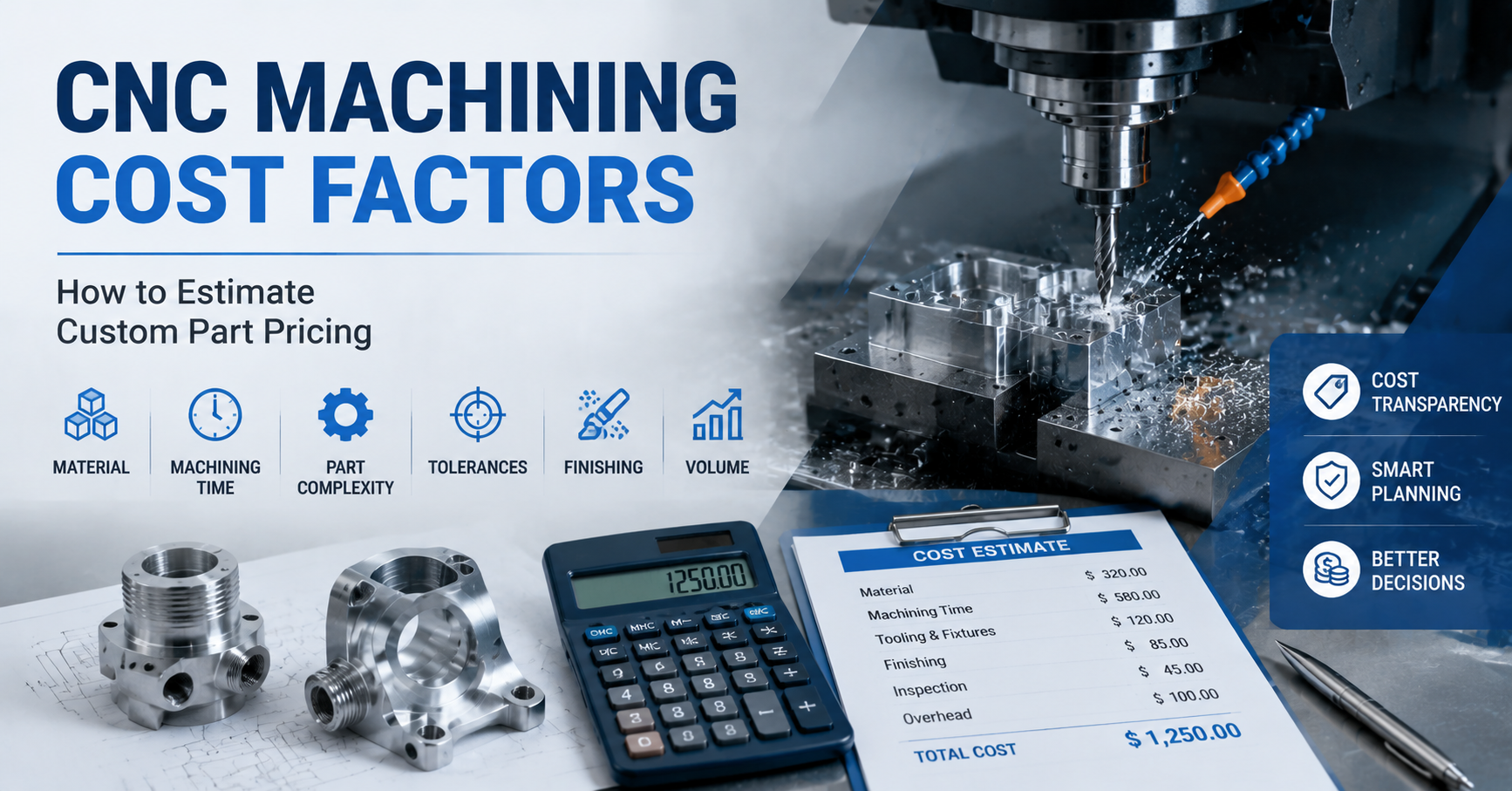
A better evaluation method considers total manufacturing cost:
| Cost Factor | Impact |
|---|---|
| Part Quality | Reduces rework cost |
| Delivery Reliability | Prevents production delays |
| Engineering Support | Reduces design problems |
| Communication | Improves project efficiency |
| Long-Term Stability | Reduces supplier replacement risk |
How to Verify a CNC Machining Supplier Before Cooperation
Before placing a large order, buyers should consider:
Request Samples
Prototype parts can verify:
- machining accuracy
- surface finish
- assembly compatibility
Review Similar Projects
Ask whether the supplier has experience producing similar components.
Start With a Small Production Run
A pilot order helps evaluate:
- quality consistency
- communication
- delivery performance
Confirm Quality Documentation
For important components, confirm available inspection and material documentation.
Common Mistakes When Choosing CNC Machining Suppliers
Choosing Based Only on Price
Low prices may indicate:
- limited inspection
- lower material quality
- reduced engineering support
Ignoring Manufacturing Experience
A supplier may have machines but lack experience with your specific application.
Not Checking Production Capability
A supplier suitable for prototypes may not support future production growth.
Poor Communication Evaluation
Slow responses during quotation often indicate future project management problems.
Frequently Asked Questions
What should I look for in a CNC machining supplier?
Look for machining capability, quality control systems, engineering support, production capacity and experience with similar projects.
How can I verify a CNC supplier’s quality?
You can review inspection processes, request sample parts, check quality documentation and evaluate previous manufacturing experience.
What information should I provide for a CNC machining quotation?
Provide drawings, CAD files, material requirements, quantity, tolerance requirements, surface finishing and delivery expectations.
Is a cheaper CNC machining supplier always better?
No. The lowest price may create additional costs from quality problems, delays or communication issues.
Can CNC machining suppliers support OEM projects?
Yes. Experienced suppliers often provide OEM machining services including engineering review, production and quality management.
What certifications should a CNC machining supplier have?
Certification requirements depend on the industry. Buyers may evaluate quality systems, inspection procedures and compliance requirements relevant to their applications.
How important is DFM support?
DFM support helps identify manufacturing problems before production, reducing cost and improving product reliability.
How do I compare different CNC machining suppliers?
Compare capability, quality, experience, communication, lead time, pricing and long-term cooperation potential.