
Why 5 Axis CNC Machining Is Important for Modern Manufacturing
As industrial products become more complex, traditional machining methods may require multiple setups, additional fixtures and longer production times.
5 axis CNC machining provides an advanced solution by allowing cutting tools to move along multiple axes simultaneously, enabling manufacturers to produce complex components with higher efficiency and accuracy.
For OEM manufacturers and engineering companies, choosing the right machining technology directly affects:
- product quality
- production efficiency
- manufacturing cost
- development speed
- assembly performance
Compared with conventional CNC machining methods, 5 axis CNC machining provides greater flexibility for producing parts with complex geometries and difficult-to-reach features.
What Is 5 Axis CNC Machining?
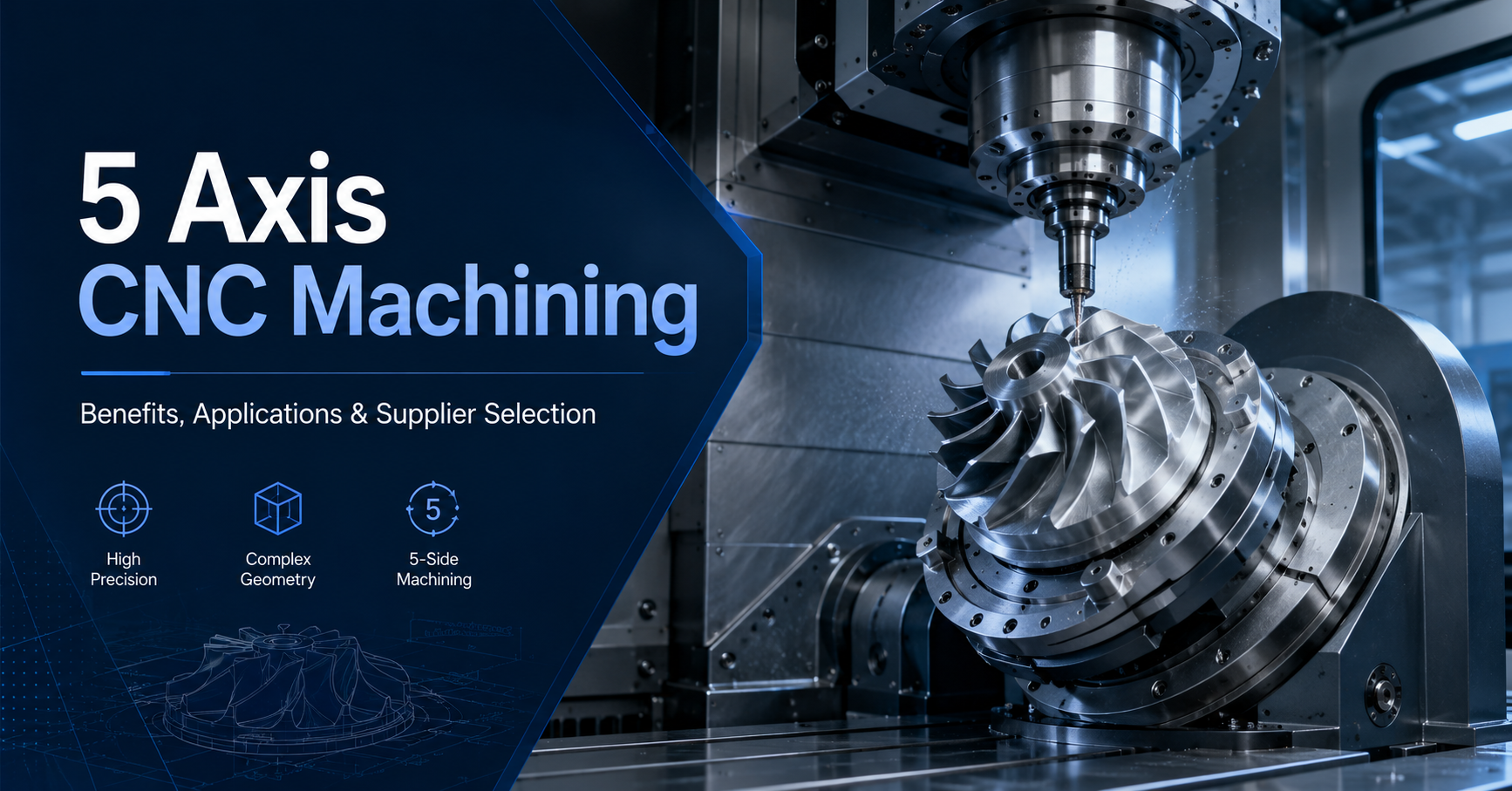
5 axis CNC machining is an advanced manufacturing process where cutting tools can move simultaneously across five different axes.
Traditional CNC machining usually operates on three linear axes:
- X axis
- Y axis
- Z axis
A 5 axis CNC machine adds two rotational movements, allowing the cutting tool or workpiece to rotate during machining.
This enables manufacturers to machine multiple surfaces in fewer setups.
The main advantages include:
- improved accuracy
- reduced setup time
- better surface finish
- ability to manufacture complex geometries
How 5 Axis CNC Machining Works
The five machining axes typically include:
| Axis | Function |
|---|---|
| X Axis | Left and right movement |
| Y Axis | Front and back movement |
| Z Axis | Vertical movement |
| A Axis | Rotation around X axis |
| B Axis | Rotation around Y axis |
By combining these movements, machines can reach areas that are difficult for traditional CNC equipment.
This is especially useful for components with:
- curved surfaces
- angled features
- deep cavities
- complex contours
Advantages of 5 Axis CNC Machining
Higher Accuracy Through Reduced Setups
One major advantage of 5 axis machining is fewer workpiece setups.
Traditional machining may require:
- repositioning parts
- changing fixtures
- recalibrating locations
Each additional setup introduces potential alignment errors.
5 axis CNC machining allows more features to be completed in one setup, improving:
- dimensional consistency
- part accuracy
- production efficiency
Better Surface Finish
When machining complex surfaces, maintaining the correct tool angle is important.
5 axis movement allows the cutting tool to stay closer to the ideal cutting position.
Benefits include:
- smoother surfaces
- reduced tool marks
- improved finishing quality
This is especially valuable for:
- molds
- aerospace components
- precision mechanical parts
Manufacturing Complex CNC Parts
Some components cannot be efficiently produced using traditional machining methods.
5 axis CNC machining is suitable for:
- complex curves
- angled holes
- irregular surfaces
- integrated structures
Examples include:
- turbine components
- robotic parts
- medical devices
- precision equipment components
Reduced Production Time
Because multiple surfaces can be machined without changing setups, 5 axis machining reduces production preparation time.
This helps manufacturers achieve:
- faster prototyping
- shorter delivery cycles
- improved production efficiency
5 Axis CNC Machining Applications
5 axis machining is widely used across industries requiring high precision and complex geometry.
Aerospace Components
Aerospace parts often require:
- lightweight structures
- complex shapes
- strict dimensional requirements
Applications include:
- engine components
- structural parts
- aerodynamic components
Medical Equipment
Medical components often require:
- high precision
- excellent surface quality
- reliable repeatability
Applications include:
- surgical tools
- medical device components
- precision instruments
Automotive Industry
5 axis machining supports:
- prototype development
- performance components
- complex mechanical parts
Applications include:
- engine components
- transmission parts
- customized automotive components
Robotics and Automation
Robotics systems require accurate mechanical movement.
5 axis machining helps produce:
- robotic joints
- precision brackets
- mechanical housings
5 Axis CNC Machining vs Traditional CNC Machining
| Factor | Traditional CNC | 5 Axis CNC |
|---|---|---|
| Number of axes | Usually 3 axes | 5 simultaneous axes |
| Setup requirements | More setups | Fewer setups |
| Complex geometry | Limited | Excellent |
| Surface quality | Good | Higher |
| Production efficiency | Medium | High |
| Cost | Lower | Higher |
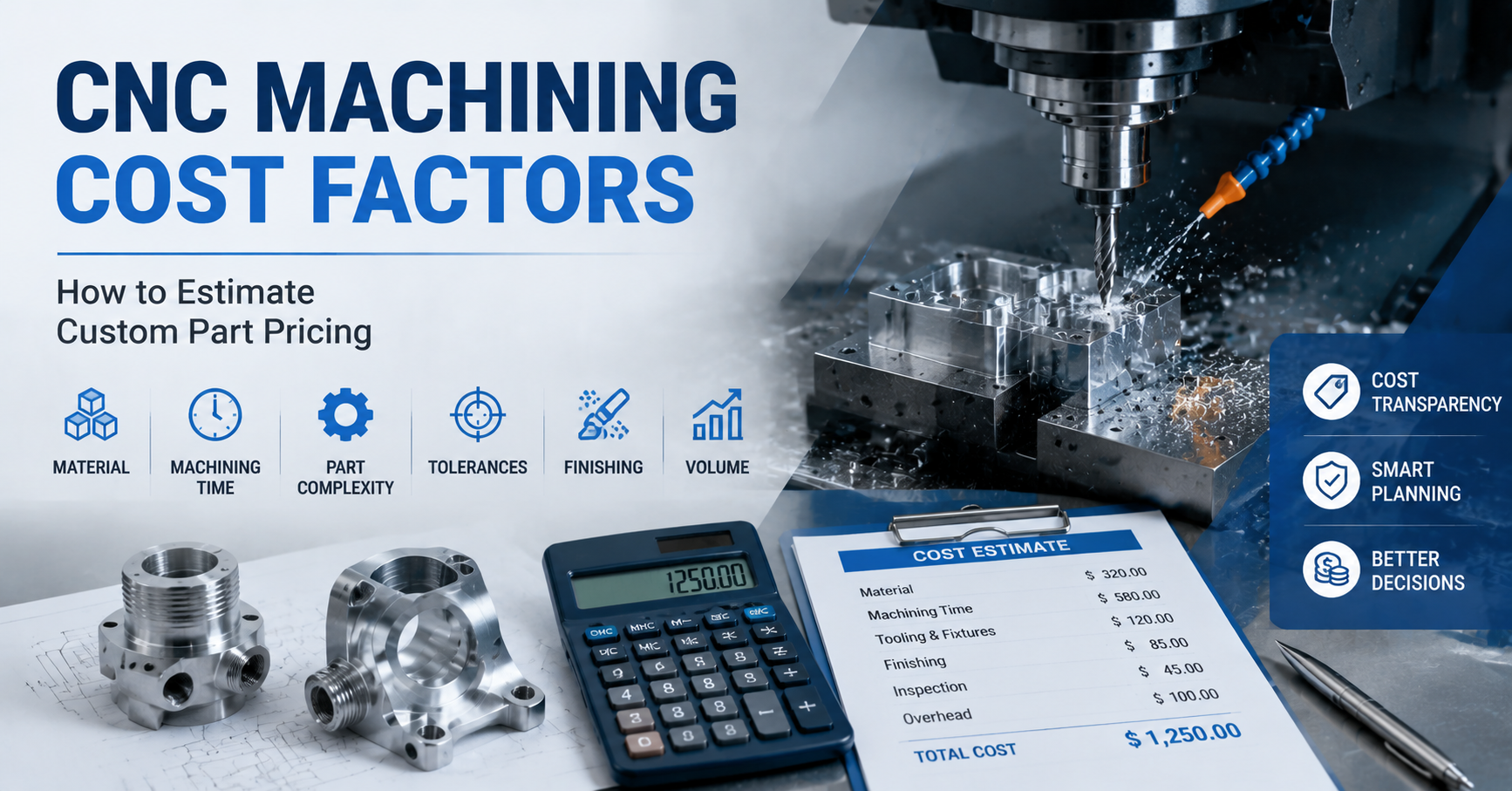
Cost Factors of 5 Axis CNC Machining
Although 5 axis machining provides advanced capabilities, cost depends on several factors.
Important factors include:
Part Complexity
More complex geometries require:
- advanced programming
- longer machining time
- specialized tooling
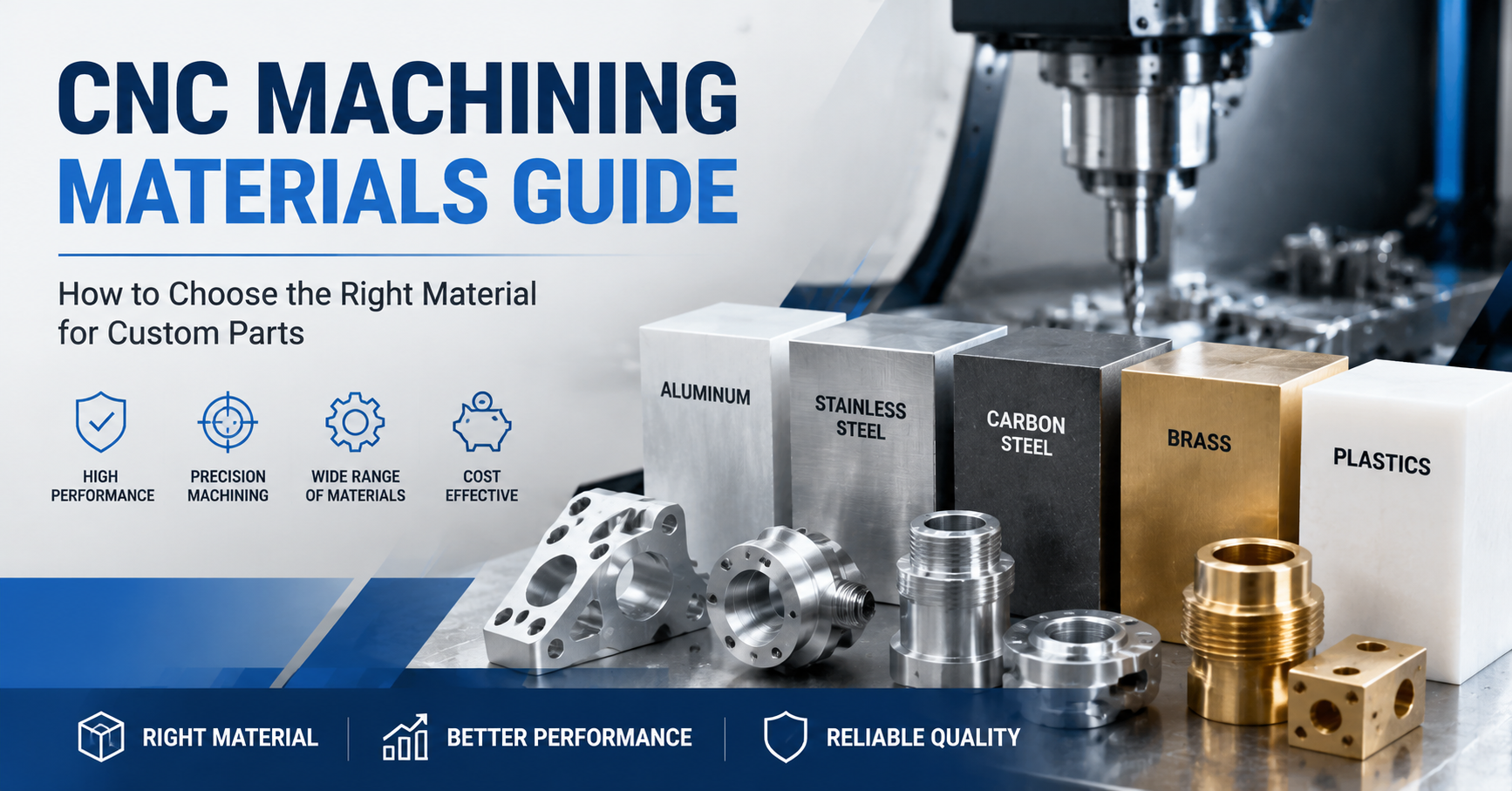
Material Selection
Hard materials such as:
- stainless steel
- titanium
- alloy materials
may increase machining difficulty.
Production Quantity
For prototypes and low-volume production, 5 axis machining provides flexibility.
For large quantities, manufacturers may evaluate alternative production methods.
Surface Requirements
Additional finishing operations can affect total project cost.
How to Choose a 5 Axis CNC Machining Manufacturer
Selecting the right supplier requires evaluating more than machine availability.
Equipment Capability
A qualified supplier should have:
- advanced CNC machines
- experienced operators
- suitable inspection equipment
Engineering Support
A professional CNC machining manufacturer should provide:
- DFM suggestions
- machining strategy recommendations
- process optimization
Quality Control
Important inspection capabilities include:
- dimensional measurement
- CMM inspection
- surface inspection
- process documentation
Industry Experience
Experience with similar parts helps reduce:
- manufacturing risks
- programming problems
- quality issues
5 Axis CNC Machining Project Checklist
| Item | Information Required |
|---|---|
| CAD Files | STEP, IGES, X_T formats |
| Material | Aluminum, steel, titanium, plastics |
| Quantity | Prototype or production volume |
| Tolerance | Critical dimensional requirements |
| Surface Finish | Required appearance and protection |
| Application | Final product usage |
Common Mistakes When Using 5 Axis CNC Machining
Choosing 5 Axis Without Considering Design
Not every component requires 5 axis machining.
A professional supplier should evaluate whether it provides real manufacturing advantages.
Ignoring Tool Accessibility
Complex parts require careful planning of:
- cutting angles
- fixture design
- machining sequence
Focusing Only on Machine Capability
A machine alone does not guarantee quality.
Experience, programming ability and inspection processes are equally important.
Frequently Asked Questions
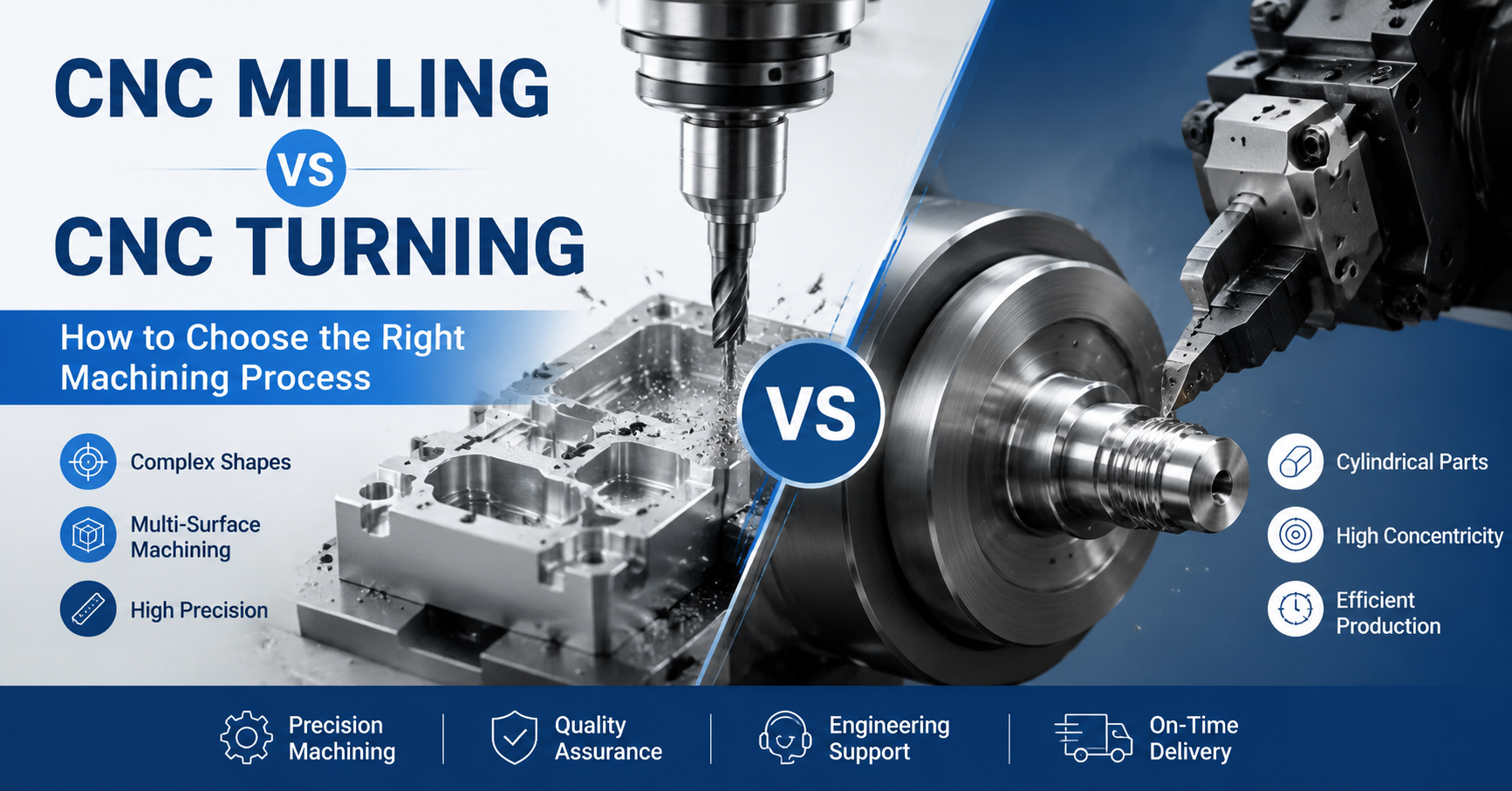
What is the difference between 3 axis and 5 axis CNC machining?
3 axis machining moves along X, Y and Z directions, while 5 axis machining adds rotational movement, allowing more complex parts to be manufactured with fewer setups.
Is 5 axis CNC machining more accurate?
In many applications, yes. Reduced setups help minimize positioning errors and improve dimensional consistency.
What parts require 5 axis CNC machining?
Typical parts include aerospace components, medical parts, molds, robotic components and complex industrial components.
Is 5 axis machining more expensive?
Generally, 5 axis machining requires more advanced equipment and programming, but it can reduce production time for complex parts.
Can 5 axis CNC machines produce prototypes?
Yes. 5 axis machining is commonly used for rapid prototypes requiring complex geometry and high accuracy.
What materials can be machined with 5 axis CNC?
Common materials include aluminum, stainless steel, steel, titanium and engineering plastics.
How do I choose a 5 axis CNC machining supplier?
Evaluate equipment capability, engineering experience, inspection systems, industry experience and production reliability.
Is 5 axis machining suitable for mass production?
It depends on part design and production requirements. It is especially valuable for complex components requiring high precision.