
Why Understanding CNC Machining Cost Matters
For OEM buyers, engineers and purchasing managers, understanding CNC machining cost is an important part of product development and supplier selection.
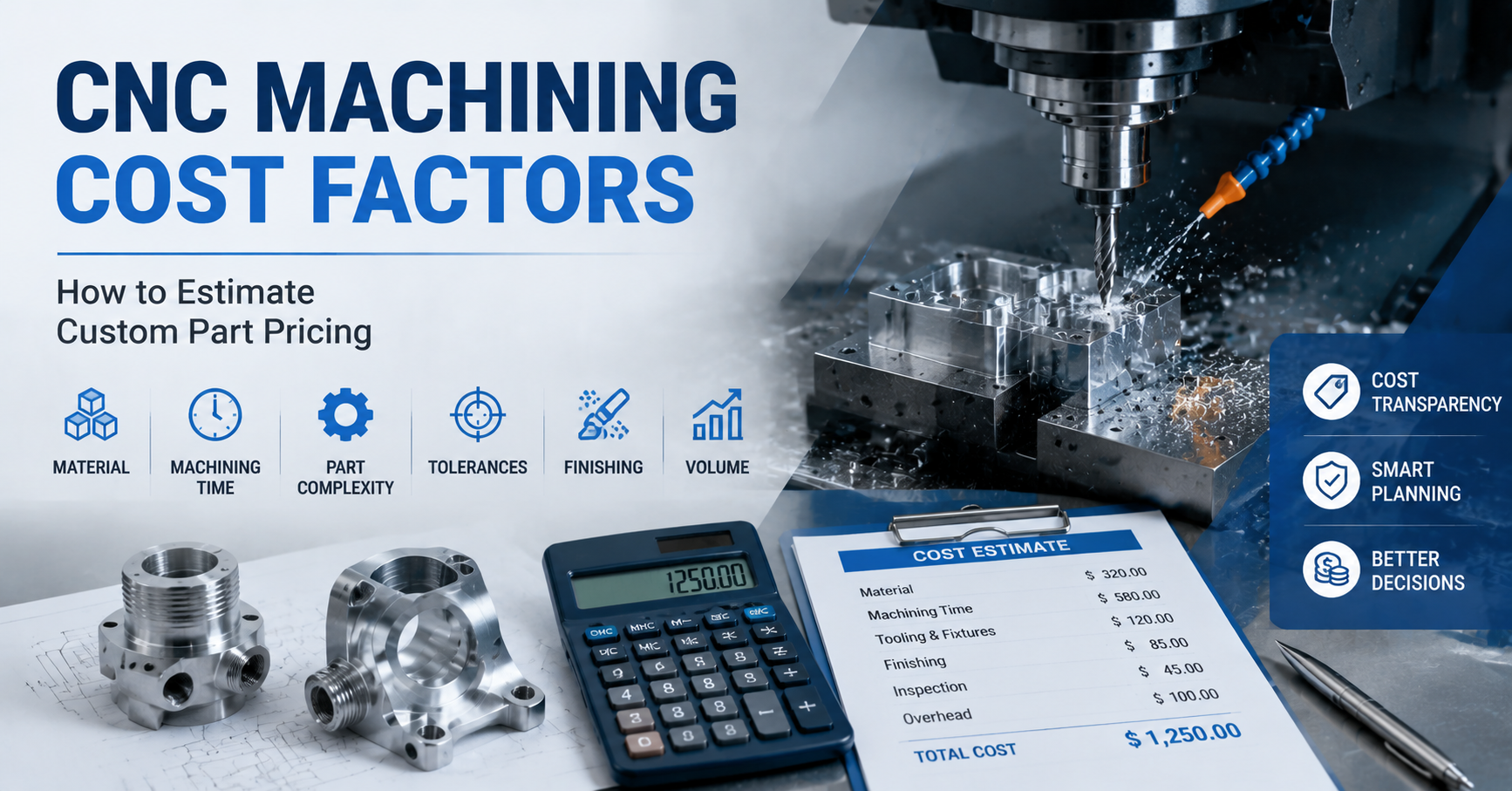
The final price of a CNC machined component is not determined by machining time alone. Many factors influence the total manufacturing cost, including:
- material selection
- part complexity
- machining operations
- tolerance requirements
- surface finishing
- production quantity
- inspection requirements
A clear understanding of these factors helps companies:
- prepare realistic budgets
- compare supplier quotations
- reduce unnecessary expenses
- optimize product designs
Before requesting a quotation, buyers should understand what affects CNC machining price and how design decisions influence manufacturing costs.
What Determines CNC Machining Cost?
CNC machining cost is usually calculated based on the resources required to manufacture a part.
The main cost elements include:
- programming time
- machine operation time
- tooling
- materials
- labor
- finishing
- inspection
A professional CNC machining supplier evaluates the complete manufacturing process instead of only calculating cutting time.
Material Selection and Its Impact on Cost
Material is one of the first factors affecting CNC machining price.
Different materials require different machining strategies.
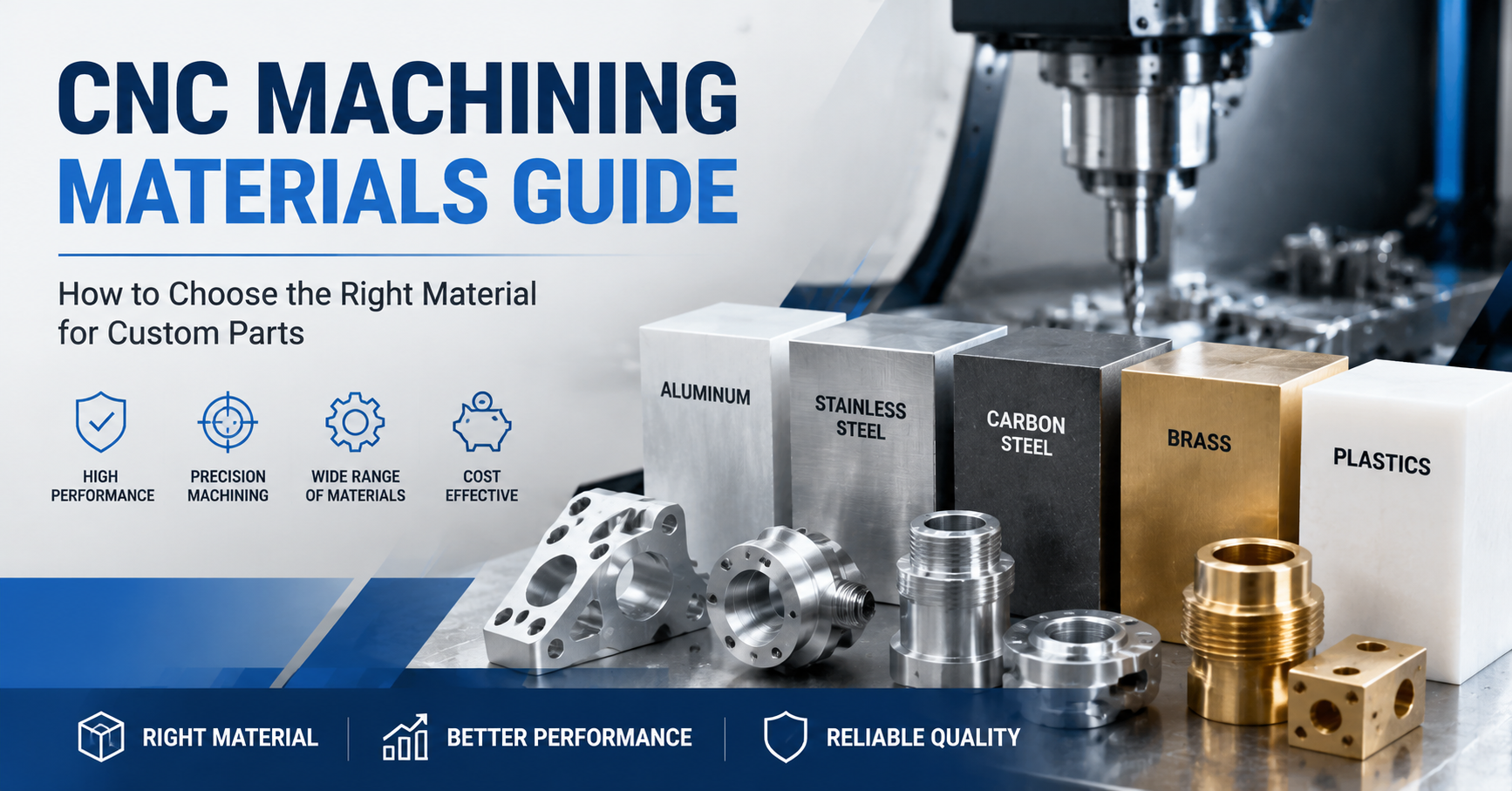
Common CNC machining materials include:
| Material | Cost Impact | Characteristics |
|---|---|---|
| Aluminum | Lower | Lightweight and easy to machine |
| Stainless Steel | Medium-high | Strong and corrosion resistant |
| Carbon Steel | Medium | Strong and economical |
| Brass | Medium | Excellent machinability |
| Copper | Higher | Good conductivity |
| Engineering Plastic | Variable | Lightweight and chemical resistant |
For example:
Aluminum parts are usually faster to machine because aluminum is softer and easier to cut.
Stainless steel components may cost more because they require:
- slower cutting speeds
- stronger tooling
- additional machining control
Part Complexity and Geometry
Part design complexity has a significant impact on CNC machining cost.
Simple parts usually require:
- fewer machining operations
- shorter programming time
- simpler fixtures
Complex CNC parts may require:
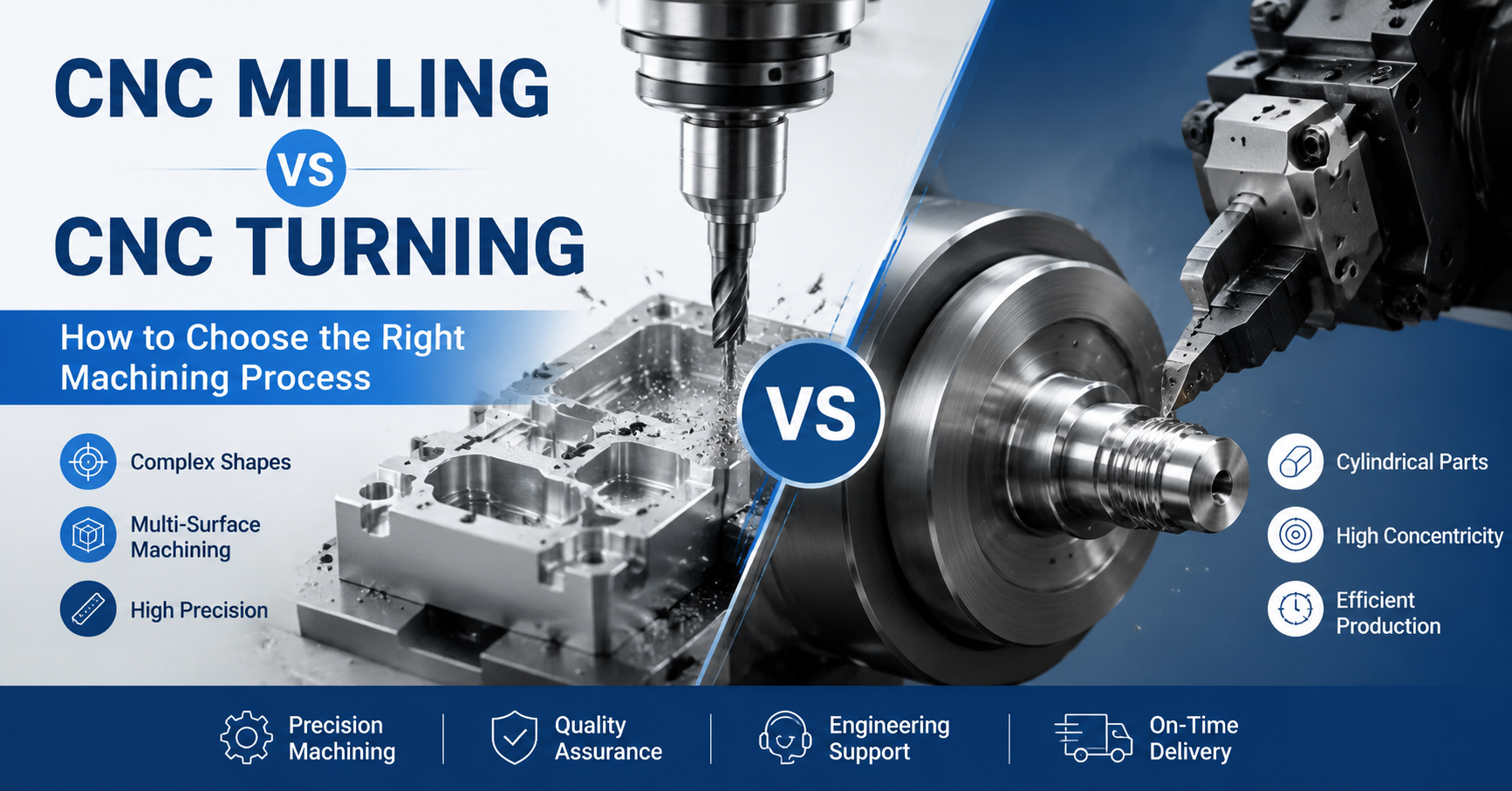
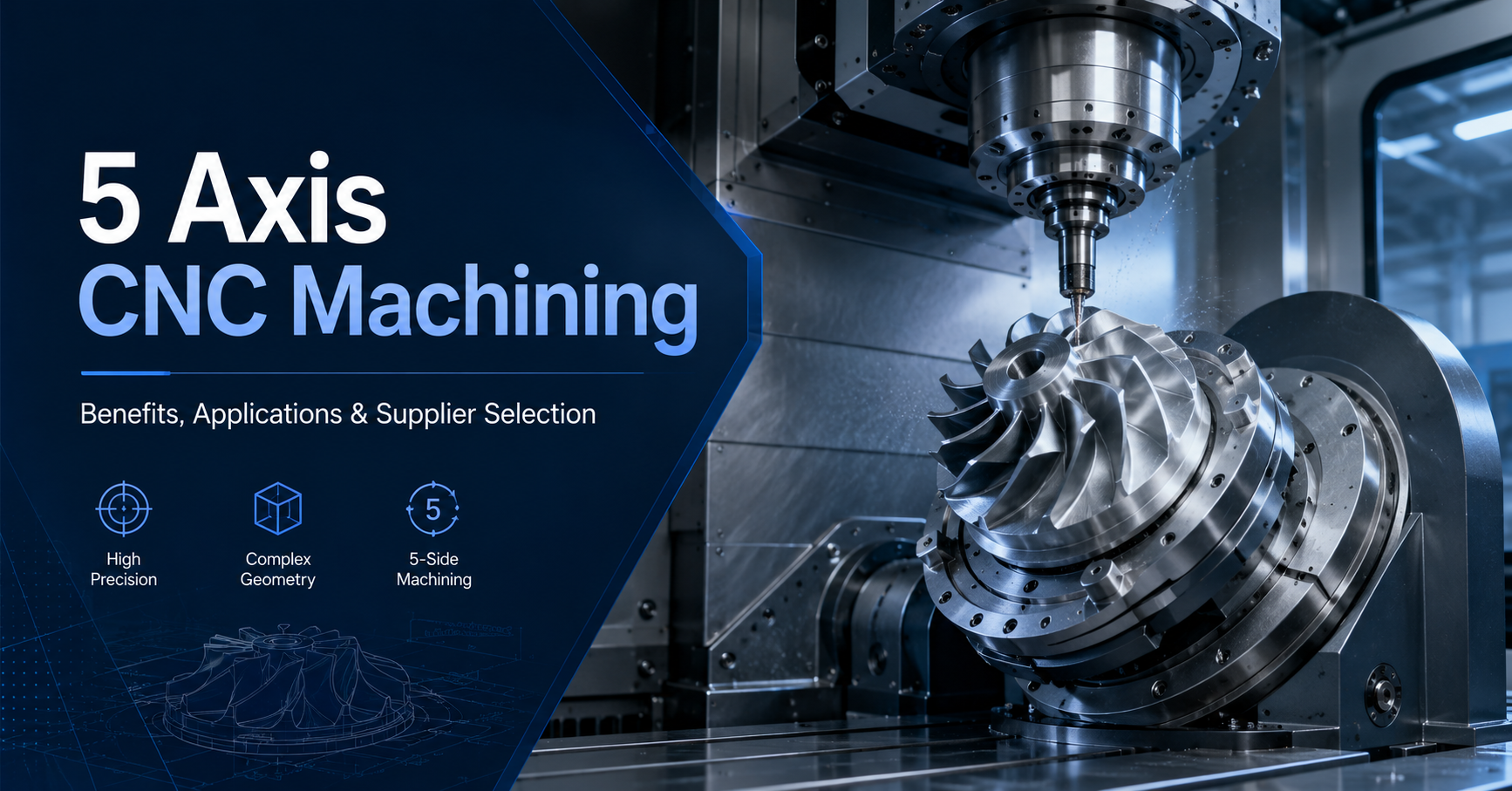
- multi-axis machining
- special tooling
- multiple setups
- advanced programming
Examples of cost-increasing features:
- deep cavities
- thin walls
- complex curves
- difficult internal features
- tight machining areas
A well-optimized design can reduce unnecessary machining operations.
Machining Time and Production Efficiency
Machine time is one of the biggest contributors to CNC machining cost.
Factors affecting machining time include:
- material removal amount
- cutting speed
- tool path complexity
- number of operations
For example:
A part requiring extensive material removal from a solid block will usually cost more than a near-net-shape component.
Manufacturers often use Design for Manufacturing (DFM) analysis to identify opportunities for reducing machining time.
Tolerance Requirements and Precision Level
Tolerances directly affect CNC machining price.
Standard tolerances are usually more economical.
Very tight tolerances require:
- additional machining steps
- more inspection
- better equipment control
- specialized tooling
For example:
A general mechanical bracket may not require extremely tight tolerance control.
However:
A precision shaft or bearing component may require strict dimensional accuracy.
The key is applying tight tolerances only where they are functionally necessary.
Surface Finishing Requirements
Surface treatment can influence total CNC machining cost.
Common finishing options include:
| Finish | Purpose |
|---|---|
| Anodizing | Aluminum protection and appearance |
| Powder Coating | Protective coating |
| Polishing | Smooth decorative surface |
| Plating | Corrosion resistance |
| Sand Blasting | Uniform texture |
Additional costs may come from:
- preparation
- masking
- processing time
- inspection
Early communication of finishing requirements helps suppliers provide accurate quotations.
Production Volume and Order Quantity
Quantity has a major impact on CNC machining cost.
Prototype Production
Prototype parts usually have higher unit costs because:
- programming cost is distributed over fewer parts
- setup costs are not shared
Small Batch Production
Small production runs can balance:
- flexibility
- cost
- development speed
Mass Production
Higher quantities usually reduce unit cost because:
- programming costs are distributed
- fixtures become more efficient
- production processes are optimized
CNC Machining Cost Comparison by Production Volume
| Production Type | Cost Characteristics |
|---|---|
| Prototype | Highest unit cost |
| Low Volume | Moderate cost |
| Medium Volume | Improved efficiency |
| Large Volume | Lowest unit cost |
Tooling and Fixture Requirements
Special tooling and fixtures may increase project cost.
Fixtures are used to:
- hold parts securely
- improve repeatability
- increase production efficiency
For simple parts:
Standard fixtures may be enough.
For complex parts:
Custom fixtures may improve quality and reduce long-term costs.
Inspection and Quality Requirements
Quality control requirements also affect CNC machining cost.
Additional inspection may include:
- dimensional inspection
- CMM measurement
- material certification
- inspection reports
Industries such as:
- aerospace
- medical
- automotive
often require stricter quality documentation.
How to Reduce CNC Machining Cost
Reducing cost does not always mean choosing cheaper suppliers.
Better strategies include:
Optimize Part Design
Reduce unnecessary:
- complex features
- excessive tolerances
- difficult machining areas
Select Suitable Materials
Choose materials based on actual performance requirements.
Avoid unnecessary premium materials.
Increase Production Quantity
When possible, combine orders to improve efficiency.
Simplify Surface Requirements
Only specify advanced finishing where required.
Work With Experienced Suppliers
Experienced manufacturers can suggest:
- better processes
- alternative materials
- cost-saving improvements
How to Compare CNC Machining Quotes
When comparing suppliers, do not only compare unit price.
Evaluate:
| Factor | Importance |
|---|---|
| Machining capability | Can they produce the part? |
| Quality system | Will parts meet requirements? |
| Lead time | Can delivery be guaranteed? |
| Engineering support | Can they optimize the design? |
| Communication | Can problems be solved quickly? |
A lower quotation may not always provide the lowest total cost.
CNC Machining Cost Optimization Checklist
| Item | Optimization Method |
|---|---|
| Material | Select suitable material |
| Design | Simplify unnecessary features |
| Tolerance | Apply only functional tolerances |
| Quantity | Increase production volume |
| Finish | Choose appropriate treatment |
| Supplier | Select experienced manufacturer |
Frequently Asked Questions
What is the average CNC machining cost?
CNC machining cost varies depending on material, design complexity, quantity, tolerance and finishing requirements. Each custom project requires individual evaluation.
Why are CNC machined parts expensive?
Costs come from programming, machine time, materials, tooling, finishing and inspection requirements.
How can I reduce CNC machining costs?
Costs can be reduced through design optimization, suitable materials, reasonable tolerances and efficient production planning.
Does material affect CNC machining price?
Yes. Harder materials usually require more machining time and specialized tooling.
Are CNC prototypes more expensive than production parts?
Yes. Prototype costs are usually higher because setup and programming costs are distributed across fewer parts.
How does tolerance affect machining cost?
Tighter tolerances require more precision control and inspection, increasing manufacturing costs.
Can suppliers help reduce CNC machining cost?
Yes. Experienced suppliers can provide DFM recommendations and process improvements.
Should I choose the cheapest CNC supplier?
Not always. Quality, reliability and engineering capability are important factors when evaluating total manufacturing cost.