01
Pretreatment review
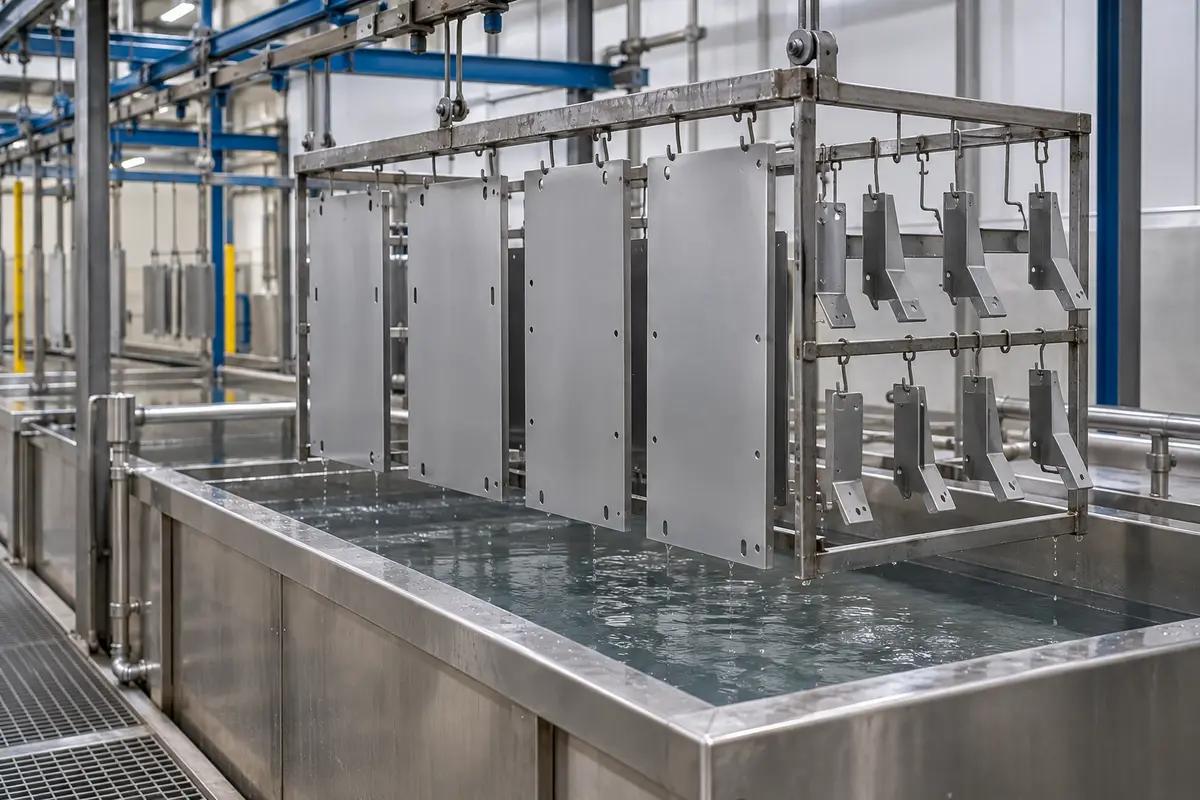
Match cleaning and conversion coating to the substrate and corrosion requirement.
Substrate preparation matched


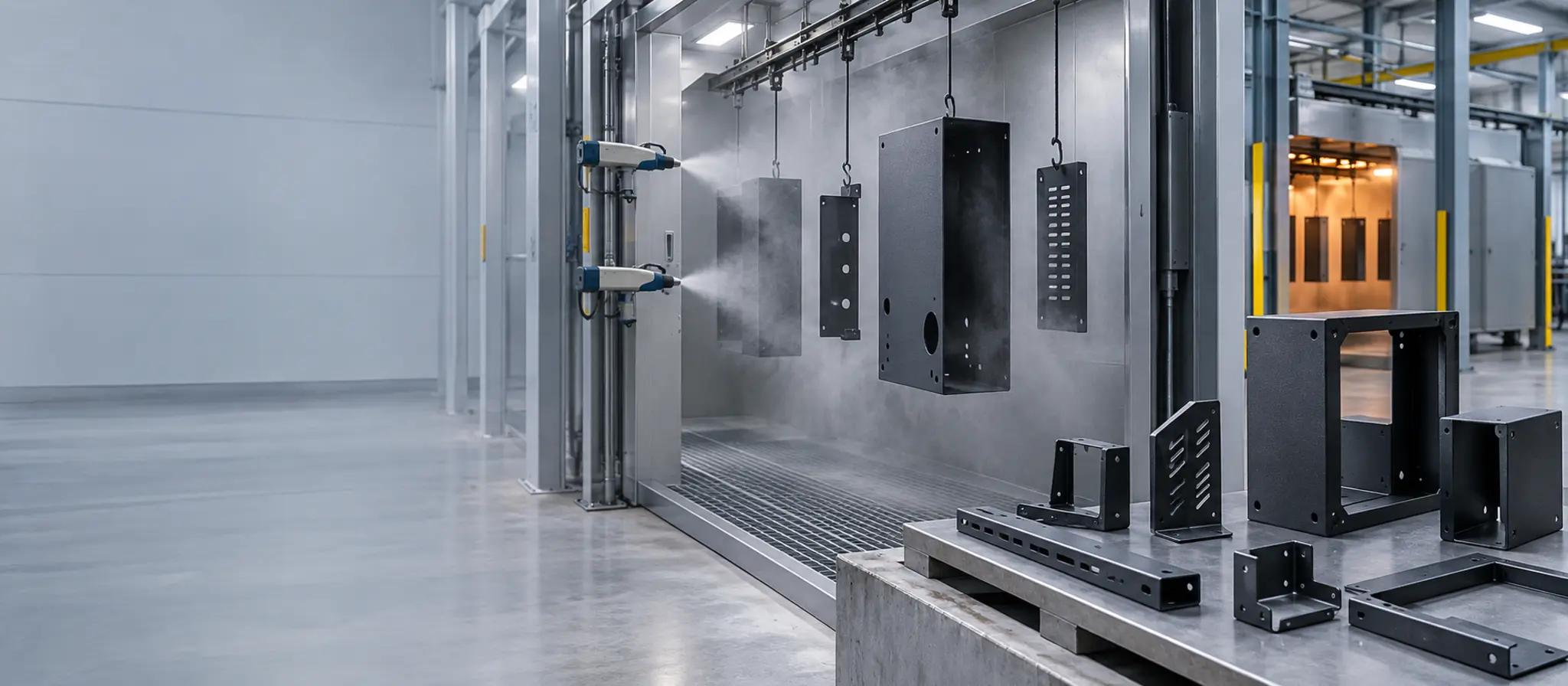
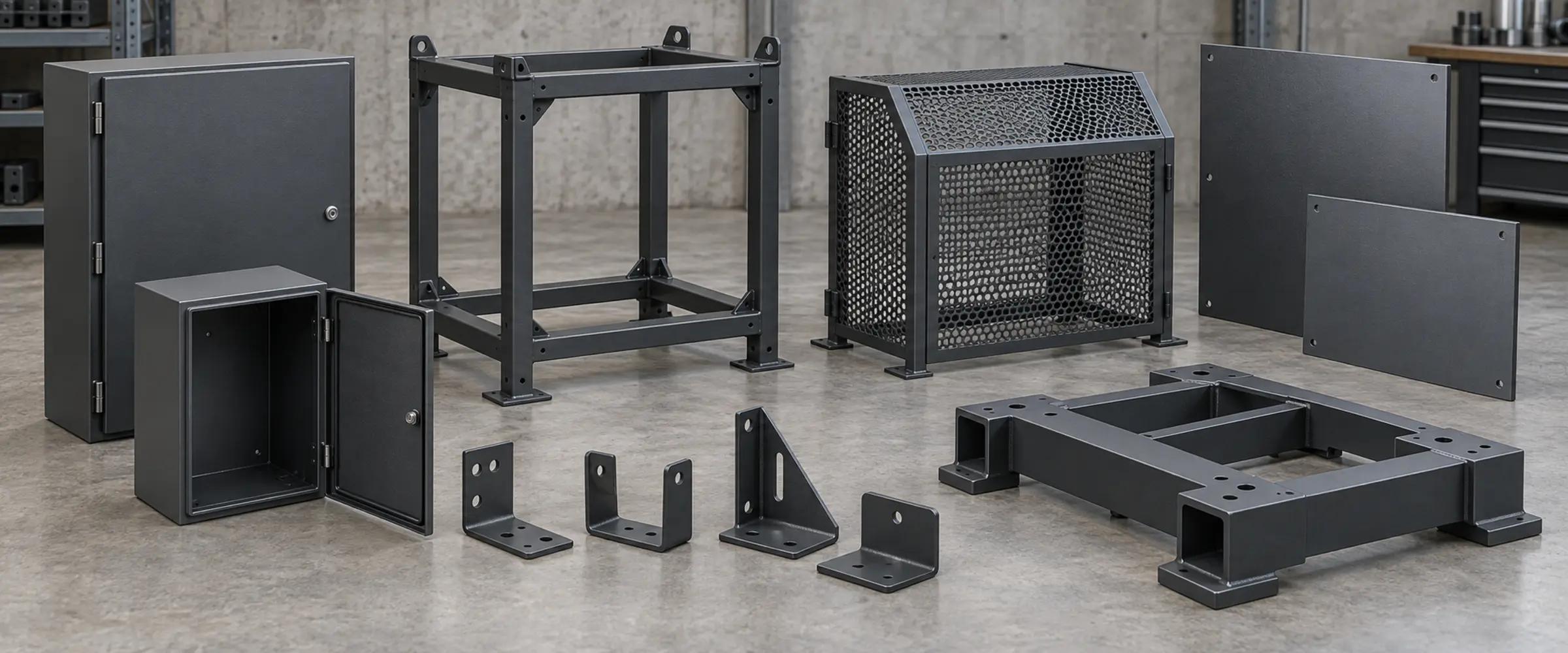
Durable powder coating for enclosures, frames, brackets and fabricated assemblies. JINGLE coordinates pretreatment, masking, color, cure and inspection around the final part function.
Powder-coated parts for industrial equipment, automation, electronics, mobility and custom OEM programs.






A quick view of the information buyers need before sending a powder coating RFQ. Final values are confirmed against substrate, color, gloss, masking and cure requirements.
| Parameter | Capability details |
|---|---|
| Coating Process | Pretreatment, powder application and controlled oven cure |
| Part Envelope | To be confirmed - reserve booth, rack and oven envelope |
| Coating Thickness | To be confirmed - target range by coating and substrate |
| Color / Gloss | RAL or project-specific color, gloss and texture confirmed per project |
| Materials | Mild steel, stainless steel, aluminum and galvanized components |
| Masking | Threads, bores, grounding points and mating faces masked per drawing |
| Production Volume | Prototype, low-volume and batch production |
| Accepted Drawing Formats | STEP, IGES, Parasolid, SolidWorks, PDF drawing and DXF |
01
Match cleaning and conversion coating to the substrate and corrosion requirement.
Substrate preparation matched
02
Protect threads, bores, grounds and mating faces before powder application.
Assembly interfaces protected
03
Control cure, coverage, color and final fit before shipment.
Cure and coverage checked
Pretreatment equipment, spray booths, racks and curing ovens.
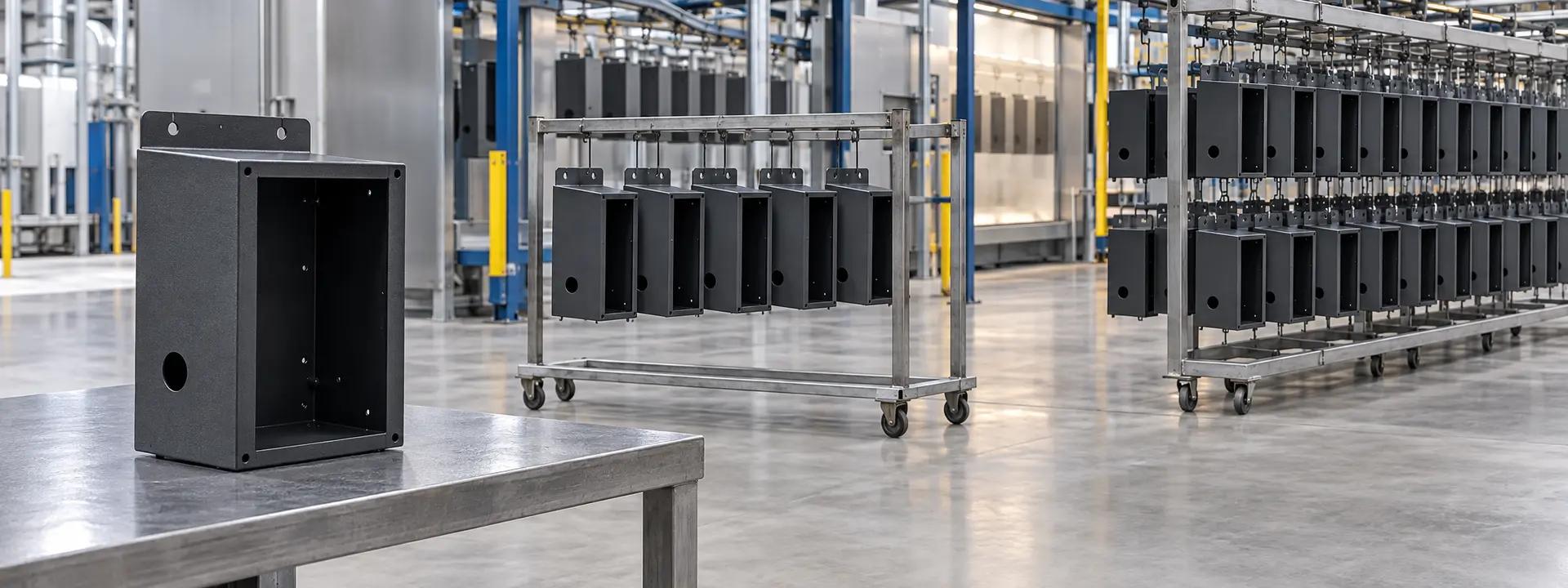
Racked panels and frames progressing through powder application.
Coated components checked against color references and thickness requirements.
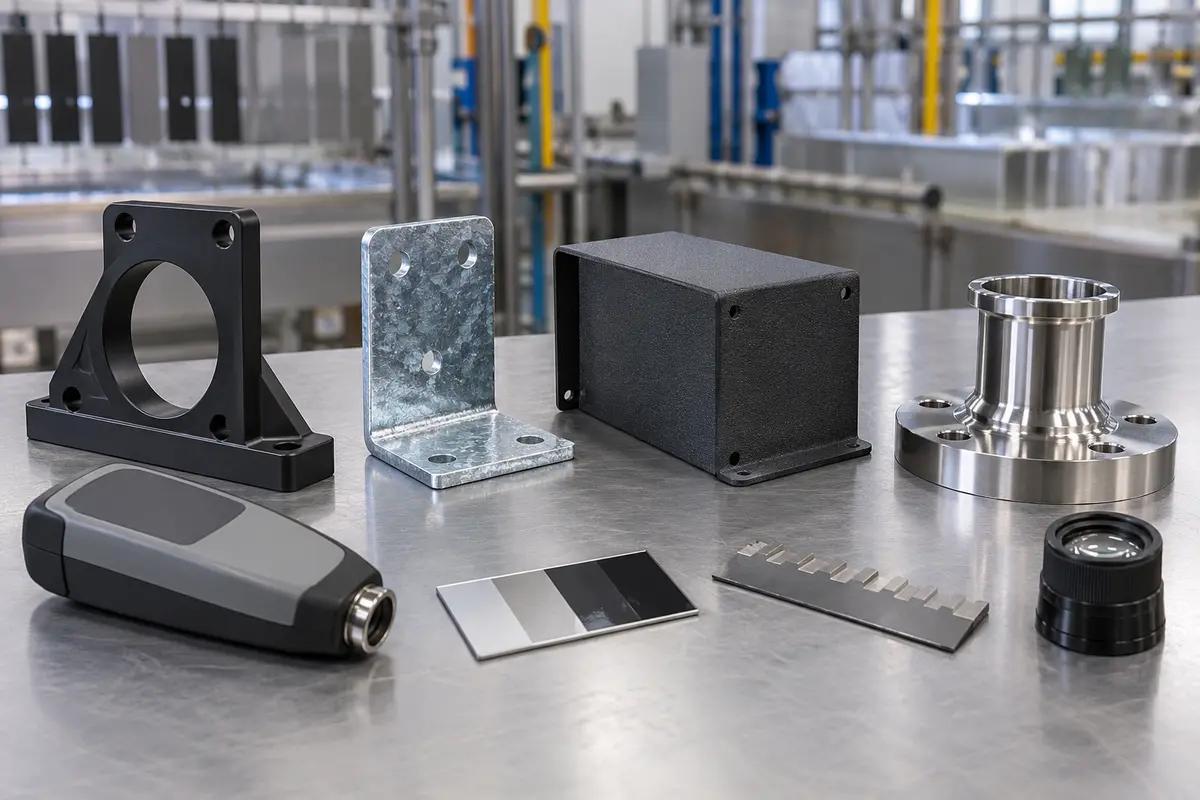
Coated housings with grounding and mating areas protected.
Fabricated structures with rack loading and cure access reviewed.
Visible panels finished against approved color, gloss and texture references.
Protective parts with defined no-coat zones and edge coverage.
Doors, panels and supports reviewed for post-coating fit.
Custom fabricated assemblies with substrate and service conditions considered.
general equipment structures
corrosion-resistant parts
lightweight panels
protected sheet metal
mixed fabricated assemblies
Review substrate grade, welds, contamination and initial surface condition.
Check preparation and masking at threads, grounds and mating faces.
Verify appearance, coverage and the agreed cure checks for the selected coating.
Measure specified thickness and inspect visible faces before release.
01
Confirm color, texture, masking and fit on the first article.
02
Support launch quantities with approved samples and controlled rack loading.
03
Repeat the approved pretreatment, application and cure route.
01
Review no-coat zones and finished fits before application.
02
Match pretreatment and cure planning to substrate, coating and service environment.
03
Use approved first articles to guide launch quantities and repeat runs.
04
Check film build, edge coverage and assembly interfaces against the drawing.
05
Confirm color references, coating records and required material documents.
06
Review substrate, gloss, texture and quantities before confirming the quotation scope.
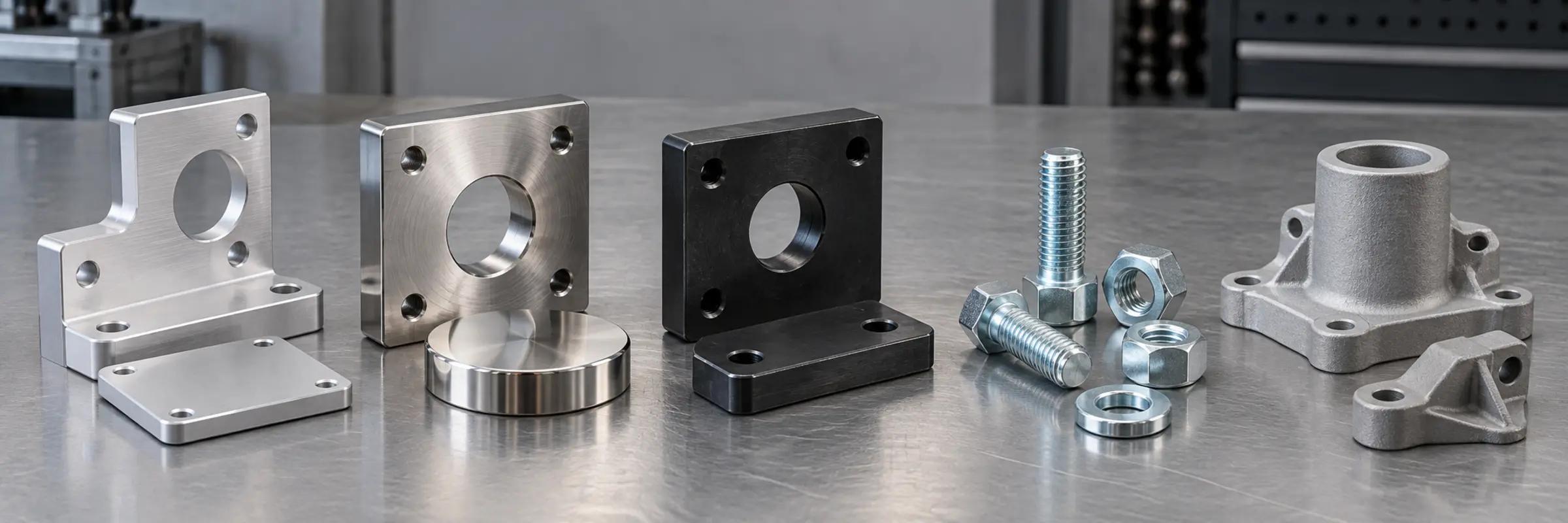
Mild steel, stainless steel, aluminum and galvanized components can be reviewed for powder coating. Substrate condition, pretreatment compatibility and cure requirements determine the proposed route.
RAL or project-specific color, gloss and texture can be reviewed against an approved sample. Specify the coating system and acceptance reference so appearance can be confirmed before batch production.
Threads, bores, grounding points and mating faces can be evaluated for masking. Identify no-coat zones and contact requirements on the drawing before rack loading and application are planned.
Coating selection, application and oven cure are planned around the substrate and coating supplier requirements. Thickness measurements and agreed cure checks verify the finished condition without assuming a universal film range.
Color approval and coating thickness records can be included in the agreed inspection scope. State the measurement locations, appearance criteria and required documentation with the RFQ.
Send substrate, color, gloss, thickness, masking, quantity and service environment requirements with the drawing. Include texture and critical assembly fits so preparation and curing can be reviewed.
Send the drawing with substrate, color, gloss, masking and quantity requirements. We will review pretreatment, rack loading and cure before quoting.
Related surface finishing processes