

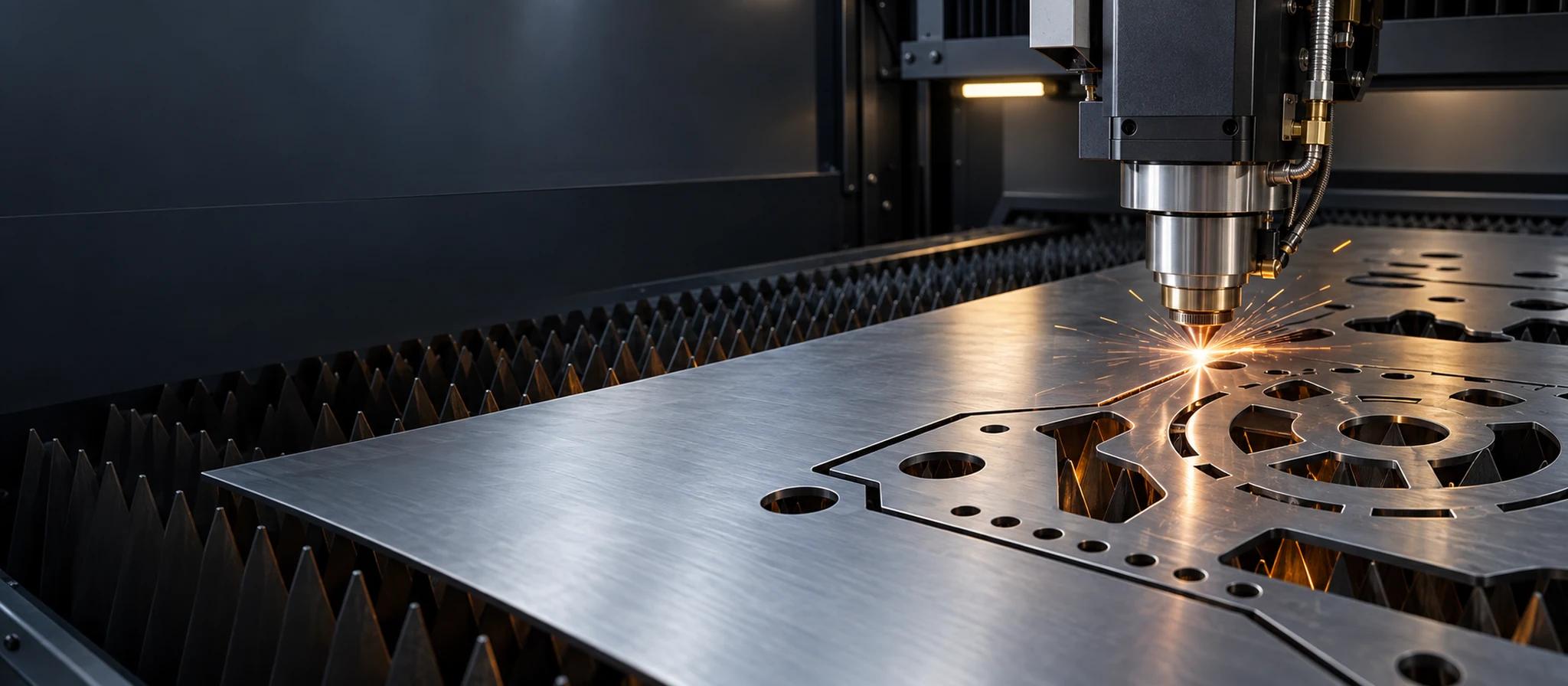
Laser Cutting Services
Accurate laser-cut profiles for panels, brackets, plates and custom sheet metal parts. JINGLE reviews material, thickness, nesting and downstream forming requirements before production.
- Fiber Laser Cutting
- Clean Profiles & Small Features
- Fast Prototype to Batch Runs
Trusted by Customers Across Industries
Laser-cut components for industrial equipment, automation, electronics, mobility and custom OEM programs.






Laser Cutting Capabilities
A quick view of the information buyers need before sending a laser cutting RFQ. Final values are confirmed against material, thickness, feature size and edge requirements.
| Parameter | Capability details |
|---|---|
| Cutting Process | Fiber laser cutting for sheet and plate; route confirmed per material |
| Max. Sheet Size | To be confirmed - reserve laser bed and handling envelope |
| Typical Tolerance | To be confirmed - quote-specific profile tolerance range |
| Material Thickness | To be confirmed - thickness range by alloy and machine |
| Materials | Mild steel, stainless steel, aluminum, galvanized steel, copper and brass |
| Edge Condition | To be confirmed - cut edge, deburred or secondary-finished condition |
| Production Volume | Prototype, low-volume and batch production |
| Accepted Drawing Formats | DXF, DWG, STEP, IGES, SolidWorks and PDF drawing |
Clean Profiles. Efficient Nesting. Ready for the Next Step.
01
Profile review
Check minimum feature size, corner detail, tabs and hole relationships before cutting.
Profile details reviewed
02
Material utilization
Plan nesting around grain direction, part quantity and downstream forming needs.
Nesting planned
03
Edge readiness
Coordinate deburring, bending, welding or coating so cut parts move smoothly into fabrication.
Downstream edges prepared
See the Work Behind the Capability
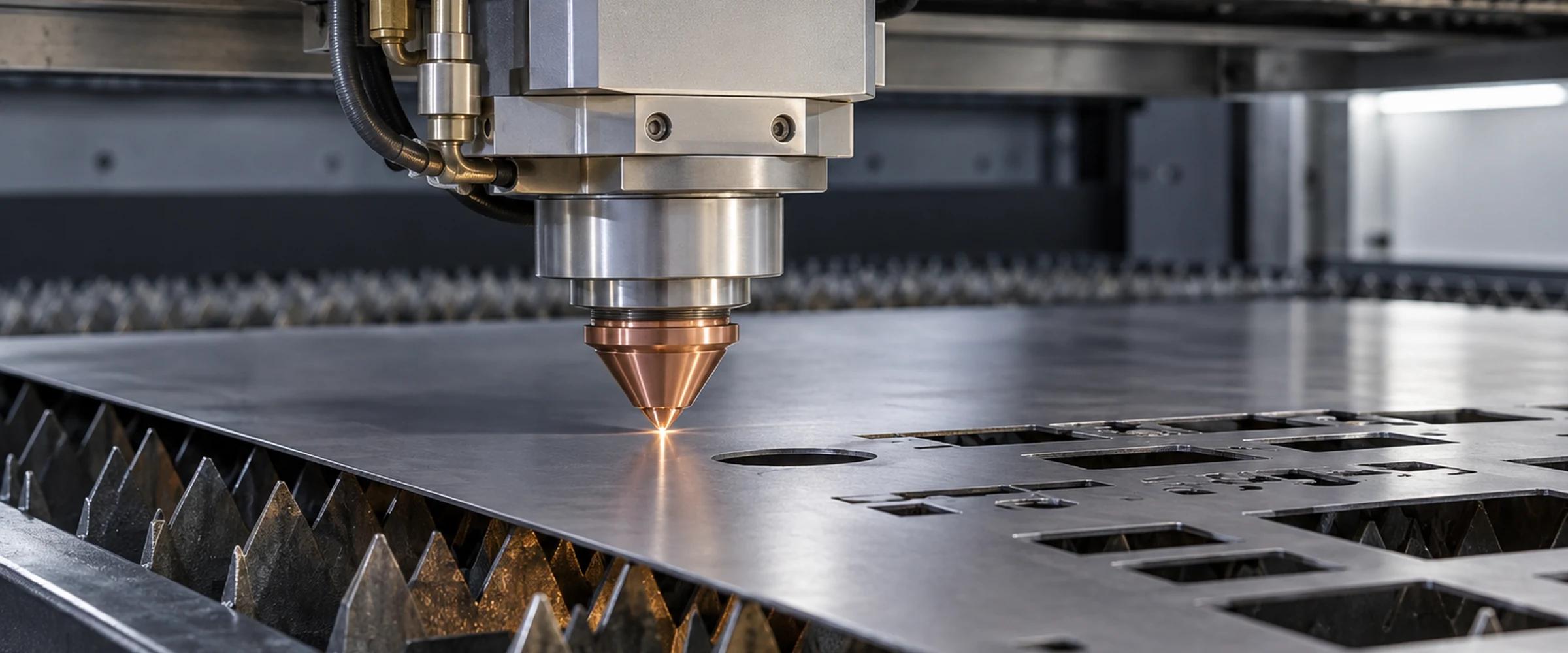
Real laser cutting equipment
Enclosed fiber laser equipment, cutting heads and sheet handling beds.
Actual laser cutting in process
Profile cutting with controlled material support and cutting-head access.
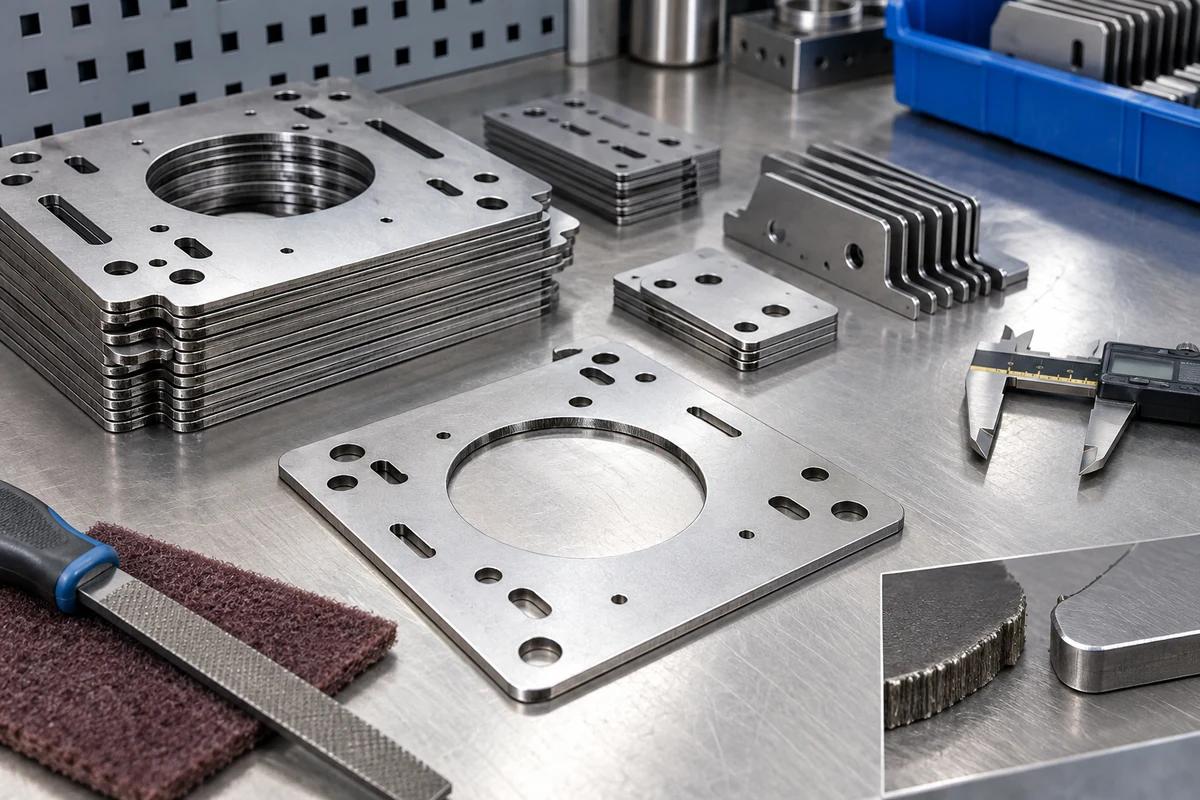
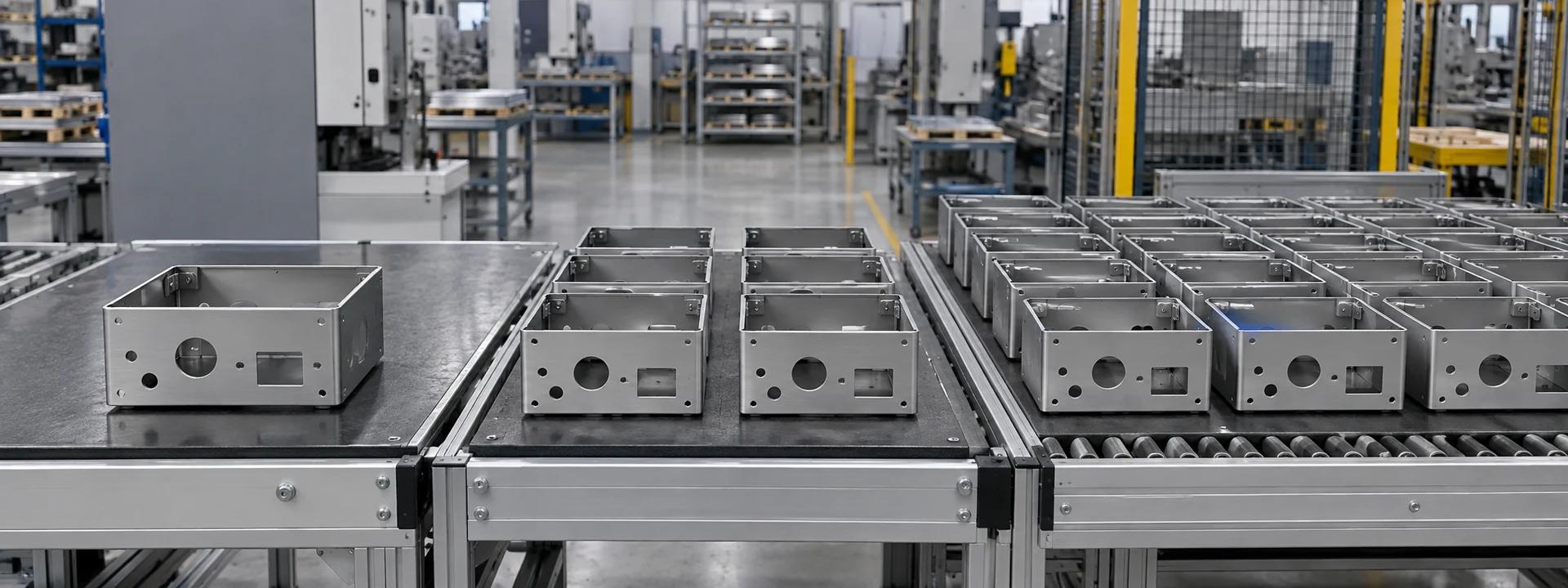
Real part sorting environment
Nested sheets and sorted cut profiles prepared for subsequent fabrication.
Parts We Commonly Cut
Flat Panels
Cut panels with defined openings and mounting features.
Mounting Brackets
Profiled blanks prepared for forming and installation.
Base Plates
Flat mounting plates with specified hole patterns.
Electrical Enclosure Blanks
Sheet blanks with cutouts coordinated with later bends.
Gaskets & Cover Plates
Custom outlines and sealing or cover interfaces.
Custom OEM Profiles
Drawing-led profiles with material and edge requirements reviewed per project.
Materials We Cut
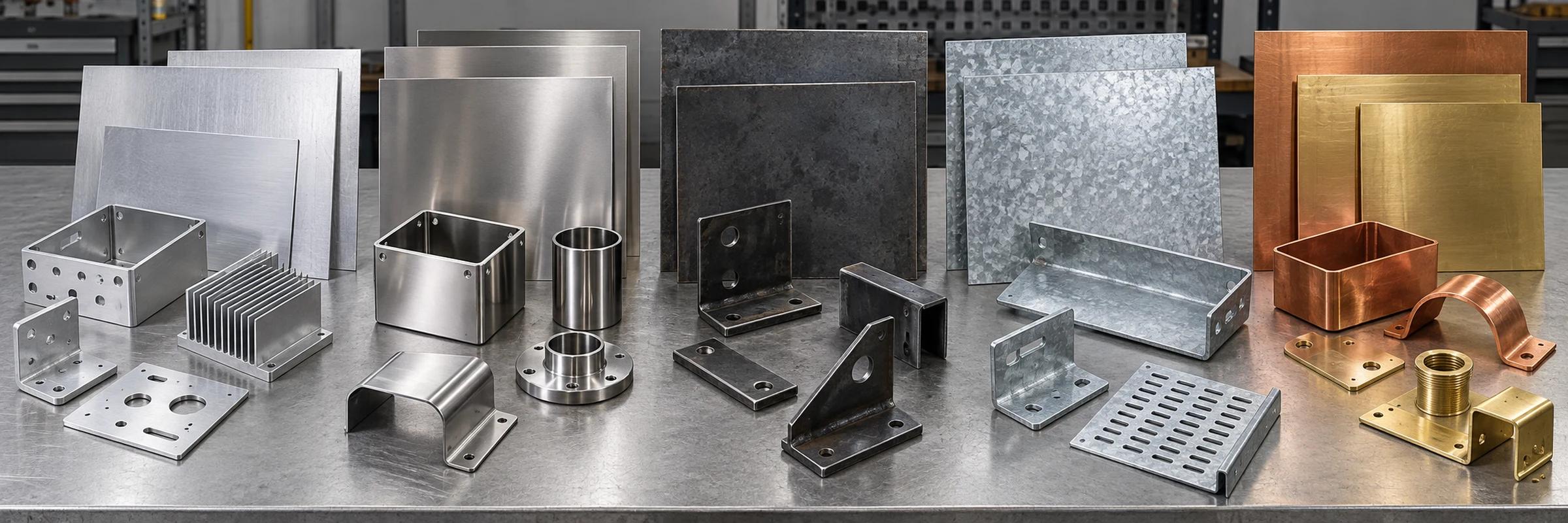
Mild Steel
structural blanks
Stainless Steel
corrosion-resistant panels
Aluminum
lightweight brackets
Galvanized Steel
protected housings
Copper & Brass
conductive sheet components
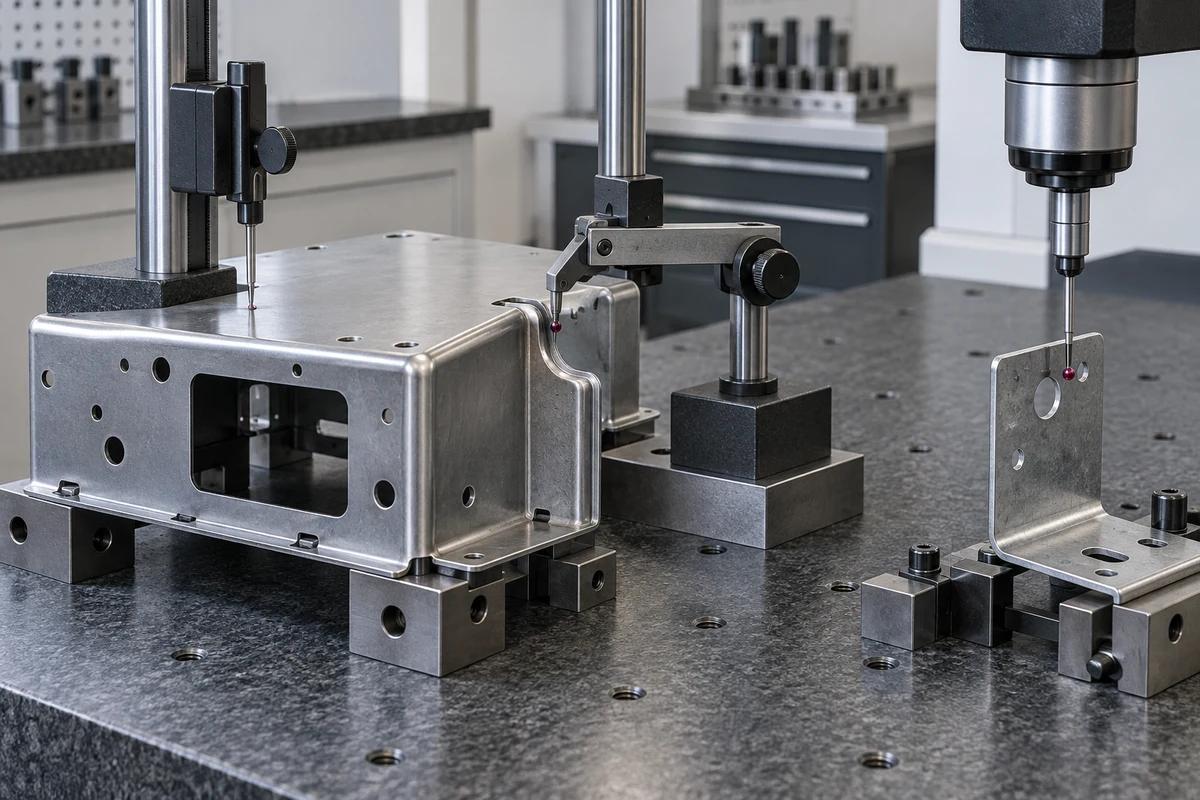
Quality Evidence at Every Handoff
- 01
Incoming Material & Thickness Review
Verify sheet grade, thickness and required material records before cutting.
- 02
First-Off Profile Check
Check initial outlines, openings and hole relationships against the released file.
- 03
Cut Edge and Feature Inspection
Review edge condition and small features before secondary operations.
- 04
Final Dimensional Inspection
Confirm specified profile dimensions and release documentation.
Documents available
- CMM Report
- FAI
- Material Certificate
- CoC
- PPAP Upon Request
Prototype to Production
01
Prototype Cutting
Validate profile, hole pattern and downstream fit with a first article.
02
Low-Volume Production
Run launch quantities with controlled nesting and inspection.
03
Batch Production
Repeat an approved cutting program with planned material and delivery checkpoints.
Engineering Support You Can Use
01
Profile and Nesting Review Before Cutting
Review geometry, nesting, grain direction and downstream forming before cutting.
02
Small Features and Complex Contours
Assess holes, corner detail and narrow features against material and thickness.
03
Flexible Prototype & Batch Production
Plan first articles and repeat runs using controlled cutting programs.
04
Controlled Edge and Dimensional Inspection
Inspect profile dimensions, edge condition and specified feature relationships.
05
Material & Quality Documentation
Agree material certificates and dimensional reporting with the RFQ.
06
Responsive RFQ Support
Clarify file revisions, material, thickness, quantities and secondary operations before quoting.
Laser Cutting FAQ
What sheet and plate materials can you laser cut?
Mild steel, stainless steel, aluminum, galvanized steel, copper and brass can be reviewed for laser cutting. The exact alloy, thickness and edge requirements determine the proposed route.
What thickness range can you support?
The cutting thickness range depends on alloy, equipment and required edge quality. Send the material grade and thickness with the file so feasibility can be confirmed.
Can you cut small holes and detailed profiles?
Small holes and detailed profiles are reviewed against thickness, feature spacing and edge requirements. Provide the controlled drawing so critical details can be checked before production.
Do you accept DXF, DWG and STEP files?
DXF, DWG and STEP files are accepted for review, along with IGES, SolidWorks and PDF drawings. Identify the current revision and include material, thickness and critical dimensions.
Can you deburr or bend laser-cut parts afterward?
Deburring, bending, welding and coating can be coordinated after cutting where required. Include these operations in the RFQ so nesting, grain direction and edge preparation can be planned together.
How quickly can you quote a laser-cut part?
Quote timing depends on file quality and the material, thickness, quantity and downstream operations. We confirm the quotation schedule after reviewing those inputs.
Have a Profile to Laser Cut?
Send the drawing or flat pattern with material, thickness, quantity and finish requirements. We will review the cut path and downstream process before quoting.
- DXF or DWG File
- 3D Model
- Material Grade
- Thickness
- Quantity
- Finish
- Inspection Requirements
Related fabrication processes