

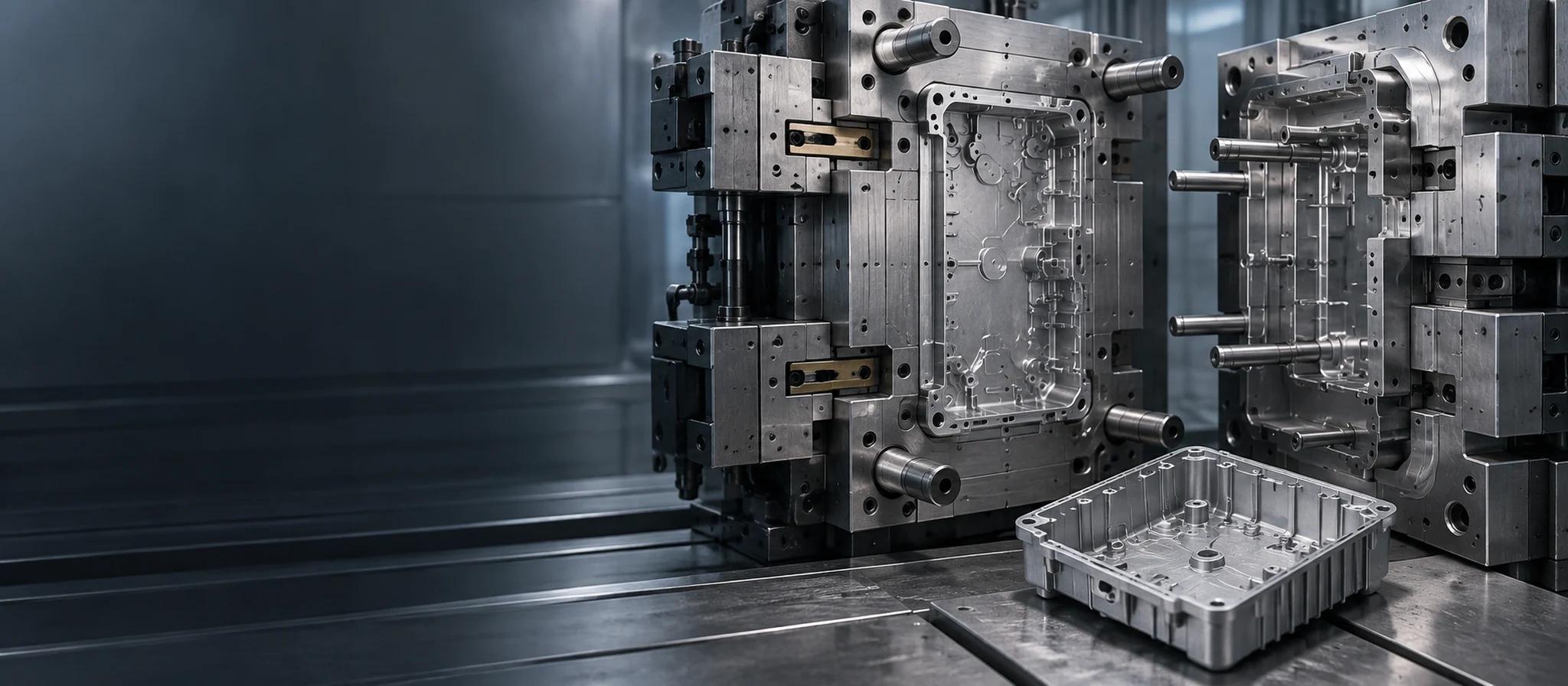
Die Casting Services
Repeatable die cast components for housings, heat sinks, covers, brackets and integrated OEM assemblies. JINGLE reviews fill strategy, tooling, trimming and inspection before production.
- High-Pressure Die Casting
- Thin Walls & Integrated Features
- Dimensional / Porosity Inspection
Trusted by Customers Across Industries
Die casting support for industrial equipment, electronics, mobility, automation and custom OEM programs.






Die Casting Capabilities
A quick view of the information buyers need before sending a die casting RFQ. Final values are confirmed against alloy, die design, cycle requirements and inspection scope.
| Parameter | Capability details |
|---|---|
| Casting Process | High-pressure die casting; aluminum, zinc or magnesium route confirmed per project |
| Max. Part Size | To be confirmed - reserve machine and die envelope |
| Typical Tolerance | To be confirmed - quote-specific tolerance range |
| Surface Finish | To be confirmed - as-cast, trimmed or secondary-finished condition |
| Materials | Aluminum alloys, zinc alloys and magnesium alloys |
| Inspection | Visual, dimensional, CMM, porosity review and other NDT as required |
| Production Volume | Prototype tooling, low-volume and batch production |
| Accepted Drawing Formats | STEP, IGES, Parasolid, SolidWorks, PDF drawing and DXF |
Fill Fast. Control the Tool. Repeat the Part.
01
Fill and solidification review
Align gates, overflows, wall transitions and cooling with the part geometry.
Fill strategy reviewed
02
Die strategy
Plan slides, inserts, draft and ejection around the features that matter to assembly.
Assembly features planned
03
Post-cast control
Coordinate trimming, deburring and secondary machining with the approved inspection plan.
Secondary operations controlled
See the Work Behind the Capability
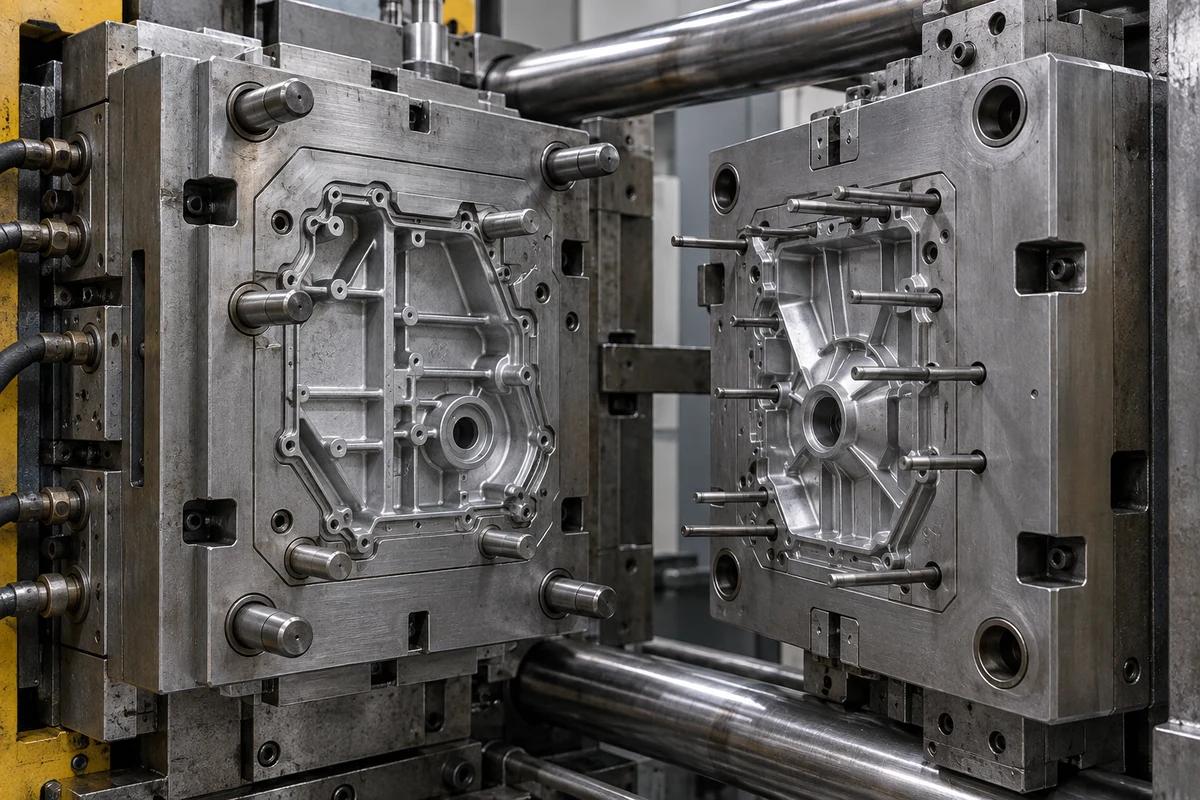
Real die casting equipment
Casting machines, die sets and protected working envelopes.
Actual casting in process
Injection, ejection and freshly cast components in the production route.
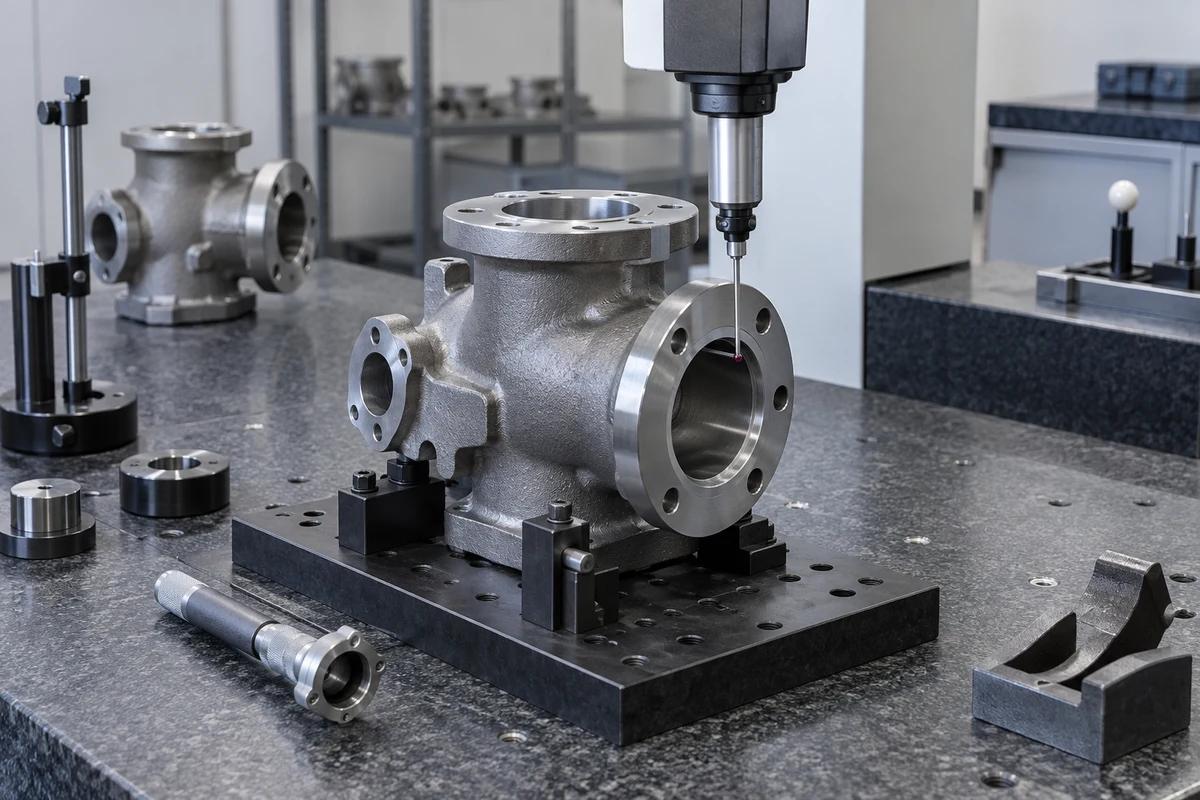
Real trimming and inspection environment
Trim fixtures, deburring equipment and components prepared for inspection.
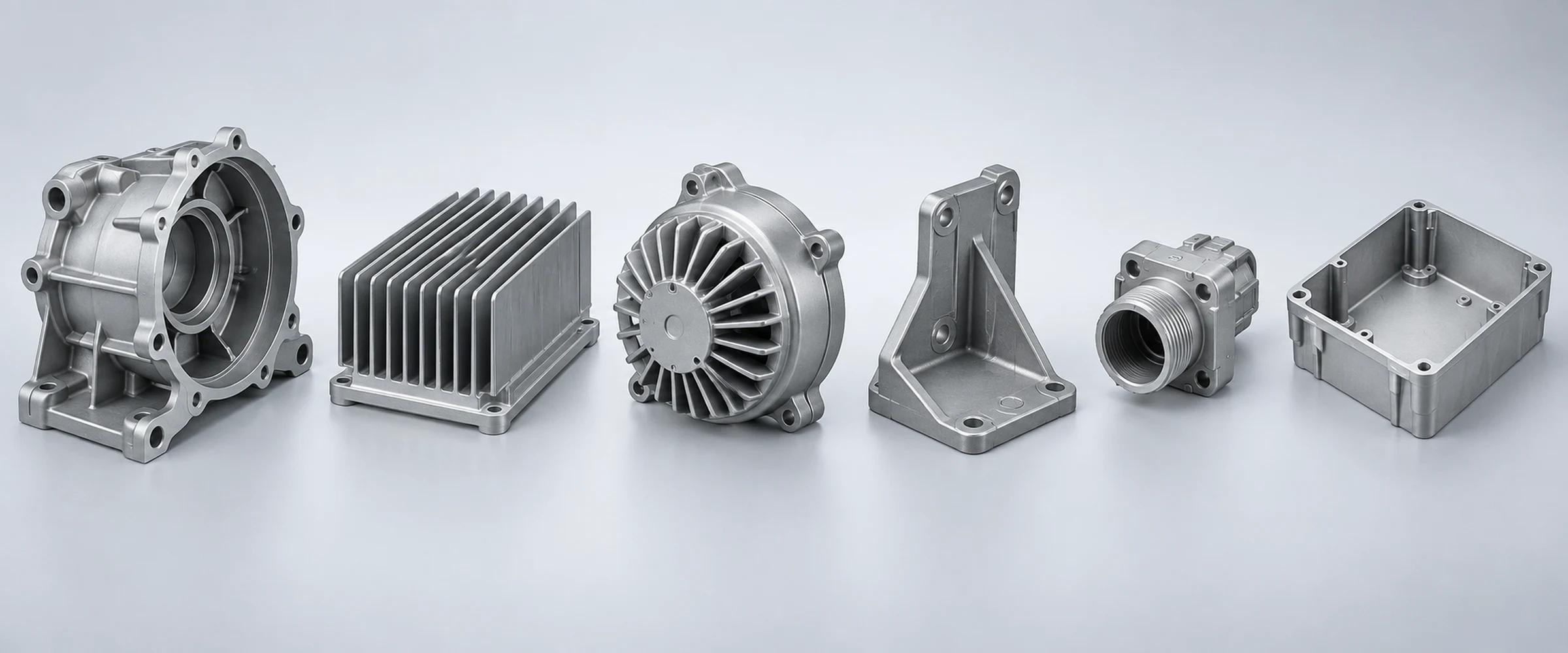
Parts We Commonly Cast
Electronic Housings
Thin-wall enclosures with integrated mounting features.
Heat Sinks & Motor Covers
Thermal features and protective covers for electrical drives.
Automotive Brackets
Repeatable mounting interfaces for mobility applications.
Connector Bodies
Fine-feature bodies with defined assembly interfaces.
Structural Enclosures
Integrated ribs, bosses and walls for equipment protection.
Custom OEM Die Castings
Production components reviewed against your tooling and release requirements.
Materials We Cast
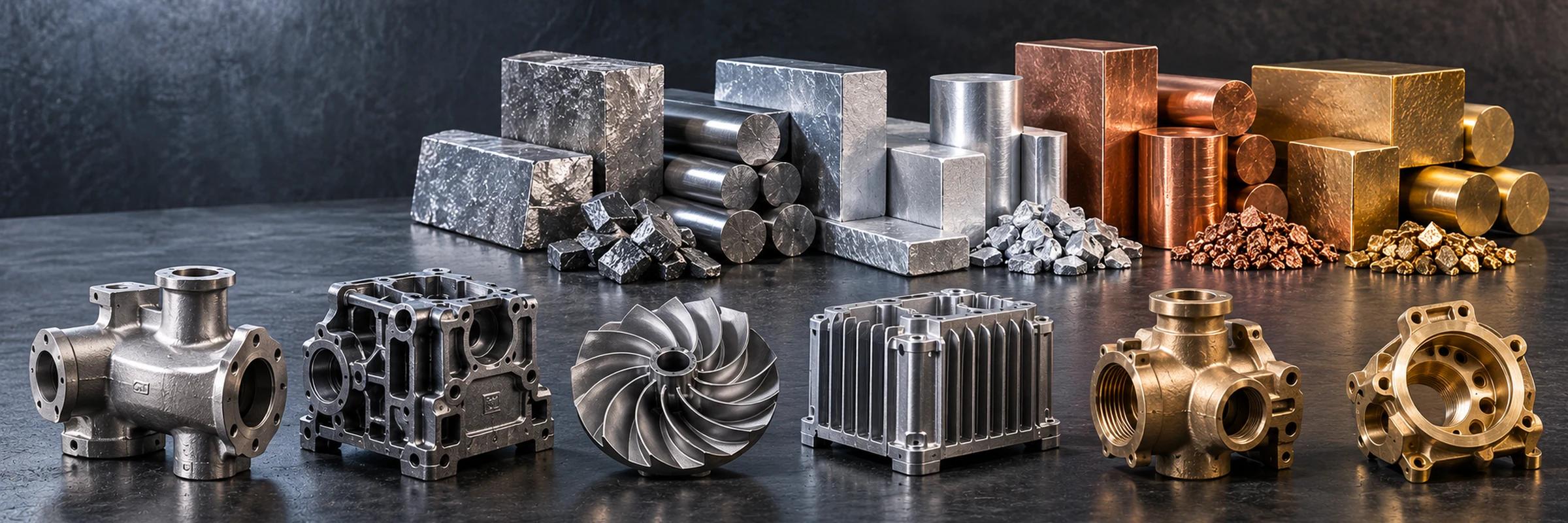
Aluminum Alloys
lightweight housings
Zinc Alloys
fine-feature components
Magnesium Alloys
weight-sensitive structures
Aluminum-Silicon Alloys
castable silicon alloys
Special Alloy Grades Upon Review
project-specific alloy review
Quality Evidence at Every Handoff
- 01
Incoming Alloy & Melt Certificate Review
Review alloy grade, melt traceability and the certificates required for the project.
- 02
First-Off Process Checks
Check initial castings and agreed process checkpoints before repeat production.
- 03
Dimensional / Porosity Inspection
Verify dimensions and review porosity against the agreed method and acceptance criteria.
- 04
Final Inspection
Confirm trimmed features, surface condition and required records before release.
Documents available
- CMM Report
- FAI
- Material Certificate
- Heat Treatment Certificate
- CoC
- PPAP Upon Request
Prototype to Production
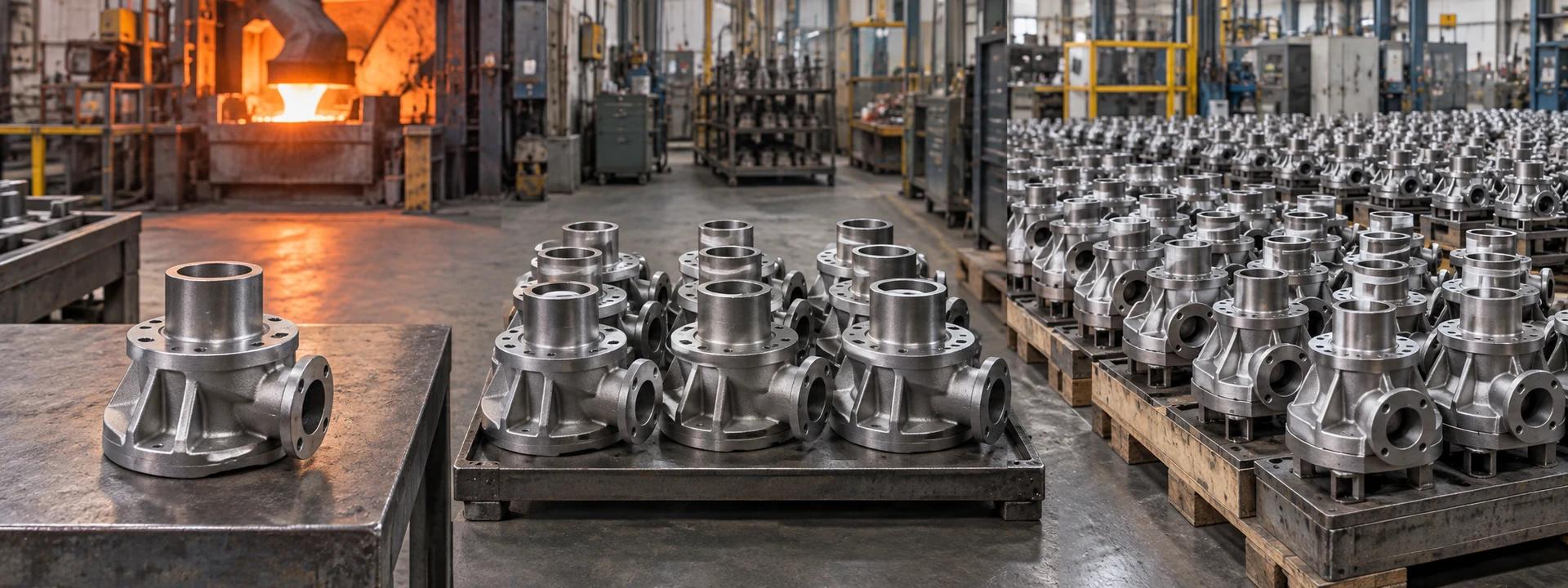
01
Prototype / Soft Tooling
Validate fill, parting strategy and downstream finishing before hard tooling release.
02
Low-Volume Production
Support launch quantities with documented trim and inspection checkpoints.
03
Batch Production
Repeat an approved die, cycle and release process for scheduled demand.
Engineering Support You Can Use
01
Die Casting DFM Review Before Tooling
Review fill, wall thickness, draft and finishing requirements before die release.
02
Thin-Wall & Feature Integration Review
Plan ribs, bosses, slides and integrated features around assembly and ejection requirements.
03
Flexible Prototype & Batch Production
Compare prototype tooling, launch quantities and repeat production against the required validation plan.
04
Controlled Casting, Trimming & Inspection Process
Coordinate process checkpoints, trimming and porosity review with the approved inspection plan.
05
Material, Process & Inspection Documentation
Agree alloy records, process documentation and dimensional reports before production.
06
Responsive RFQ Support
Review the model, alloy, wall thickness and volume to define the tooling and quotation scope.
Die Casting FAQ
What alloys can you die cast?
Aluminum, zinc and magnesium alloy routes can be reviewed for die casting. Share the exact grade, wall thickness and application requirements so feasibility can be confirmed.
When is die casting a better fit than machining or investment casting?
Die casting is a candidate for repeatable thin-wall components with integrated features and production quantities that justify tooling. We compare geometry, alloy, volume and finishing requirements with machining or investment casting during review.
Can you support prototype tooling and low-volume orders?
Prototype or soft tooling and low-volume routes can be evaluated before a production die is released. Suitability depends on the alloy, geometry, quantity and validation requirements.
How do you control porosity and dimensional variation?
Fill, venting, cooling, tooling and process checkpoints are reviewed around the part geometry. Dimensional and porosity acceptance criteria must be agreed with the inspection method before production.
Can you provide CMM or X-ray inspection reports?
CMM and X-ray inspection requirements can be reviewed and included in an agreed inspection plan. Send the critical features, acceptance criteria and reporting requirements with the model and drawing.
What information is needed to quote a die cast part?
Send the model, drawing, alloy, quantity, wall thickness and inspection requirements. Include any trimming, machining and surface finishing requirements so the complete route can be quoted.
Have a Die Cast Part to Develop?
Send the model, drawing, alloy and quantity. We will review die strategy, fill requirements, secondary operations and inspection before quoting.
- 3D Model
- Technical Drawing
- Material Grade
- Quantity
- Tolerance
- Surface Finish
- Inspection Requirements
Related casting processes