

sales@jinglefix.com
Skip to content

Material engineering

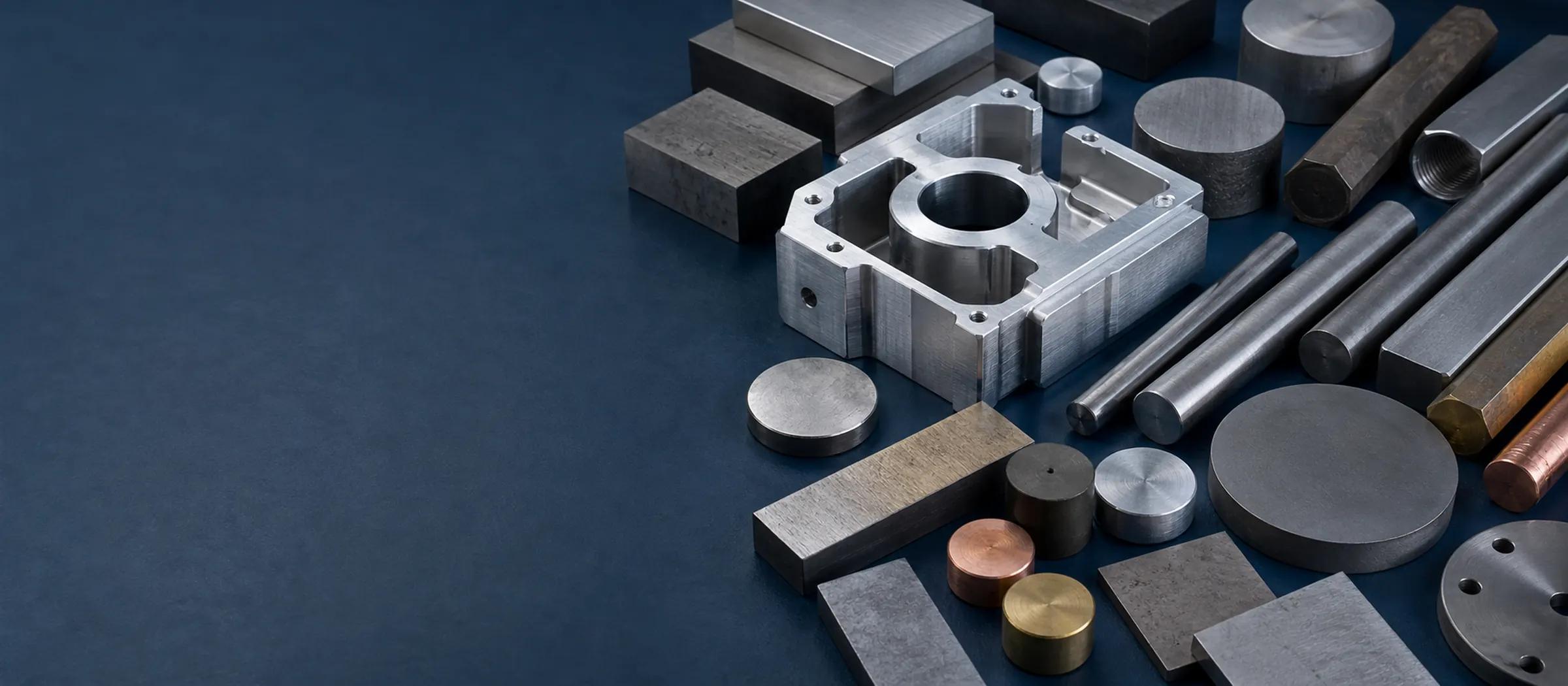
Materials selected for how your part must perform

Compare proven metals and alloys by strength, weight, corrosion behavior, machinability, and temperature capability. Our team can also review drawings and operating conditions to recommend a practical grade and production route.

Material catalog

Select a material family to review common grades, typical applications, and relative performance. Final grade selection should account for geometry, tolerances, finish, volume, and the complete service environment.

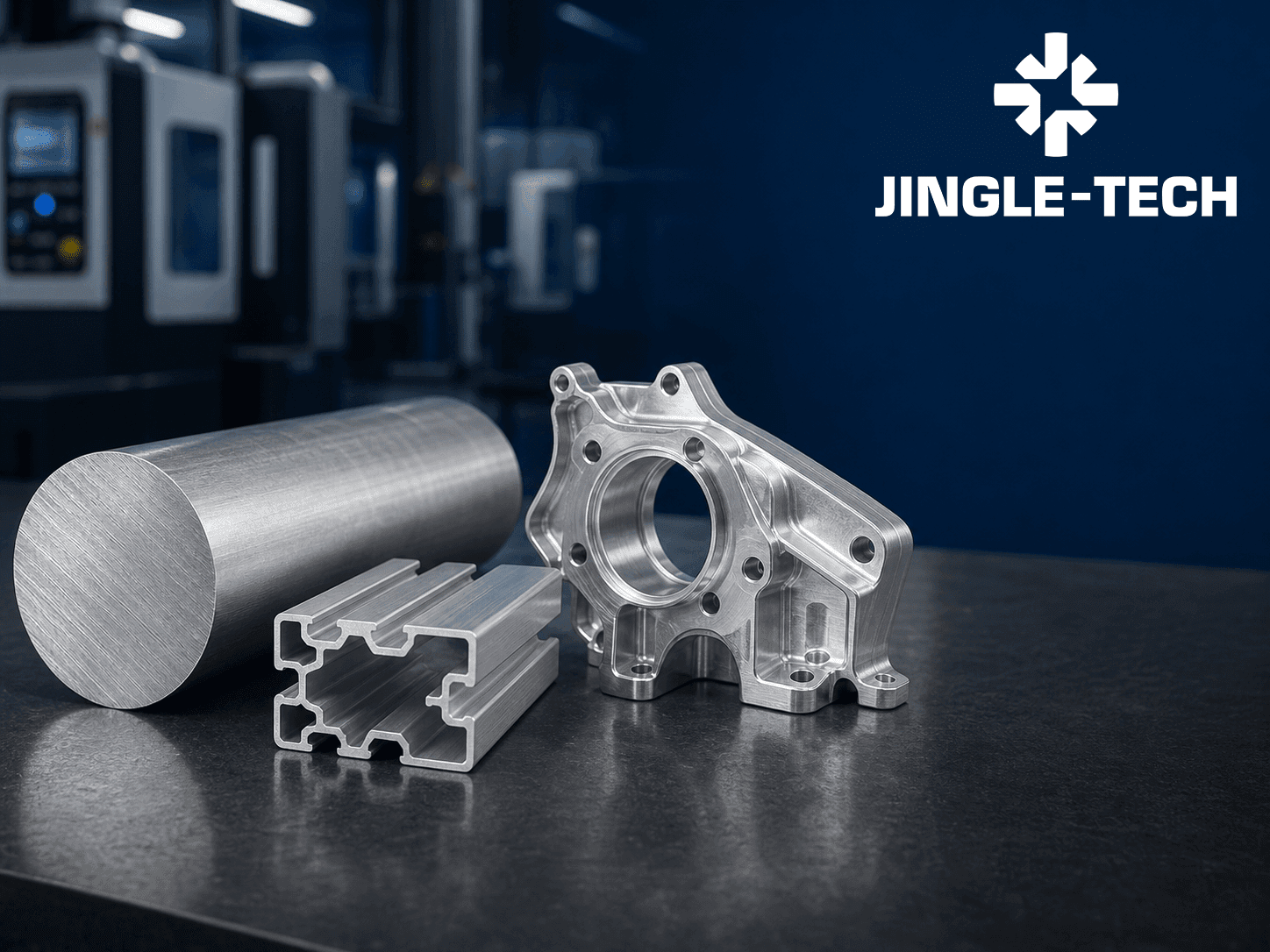
Precision components manufactured from aluminum alloy
01Lightweight performance

Aluminum Alloys

Easy to machine and naturally corrosion resistant, aluminum is a versatile choice for housings, fixtures, heat-management parts, and lightweight structures.

Typical applications

Machine housings, brackets, heat sinks, fixtures, aerospace structures, and lightweight automation parts.

Common grades

6061-T6, 6063, 7075-T6, 2024

StrengthModerate
Relative weightVery low
Corrosion resistanceHigh
MachinabilityVery high
Temperature capabilityLow

Performance indicators are relative guides across the listed material families. Actual results vary by grade, heat treatment, geometry, finish, and production process.

Four decisions that shape material selection

The best material is not always the strongest or most expensive option. A balanced choice protects performance while controlling machining time, tooling, finishing, and lifecycle cost.

  1. 01

    Define loads and failure risks

    Review static load, impact, fatigue, wear, stiffness, and the consequences of deformation or fracture.

  2. 02

    Map the service environment

    Account for moisture, chemicals, galvanic contact, sterilization, temperature cycles, and outdoor exposure.

  3. 03

    Set weight and thermal targets

    Balance density with strength, conductivity, heat dissipation, inertia, and assembly-level weight limits.

  4. 04

    Match the production route

    Consider machinability, castability, weldability, heat treatment, finishing, tolerance, and expected production volume.

Need confidence before specifying a grade?

Share your drawing, target quantity, operating environment, and critical requirements. We will review material options together with the manufacturing process and inspection plan.