
Sourcing answers
Clear answers before your drawings reach production.
Use these FAQs to understand how Jingle Tech reviews drawings, protects project files, confirms materials, controls quality, and moves metal parts from prototype builds into stable production.
Production answers grounded in real engineering review, process planning, and inspection control.
24h
Typical engineering response after receiving drawings and project details.
4
Core capability groups: machining, casting, fabrication, and value-added solutions.
QC
Inspection plans are matched to part function, tolerance risk, and production volume.
Frequently asked questions
The questions below are written for engineering, sourcing, and operations teams comparing manufacturing partners for custom metal parts.
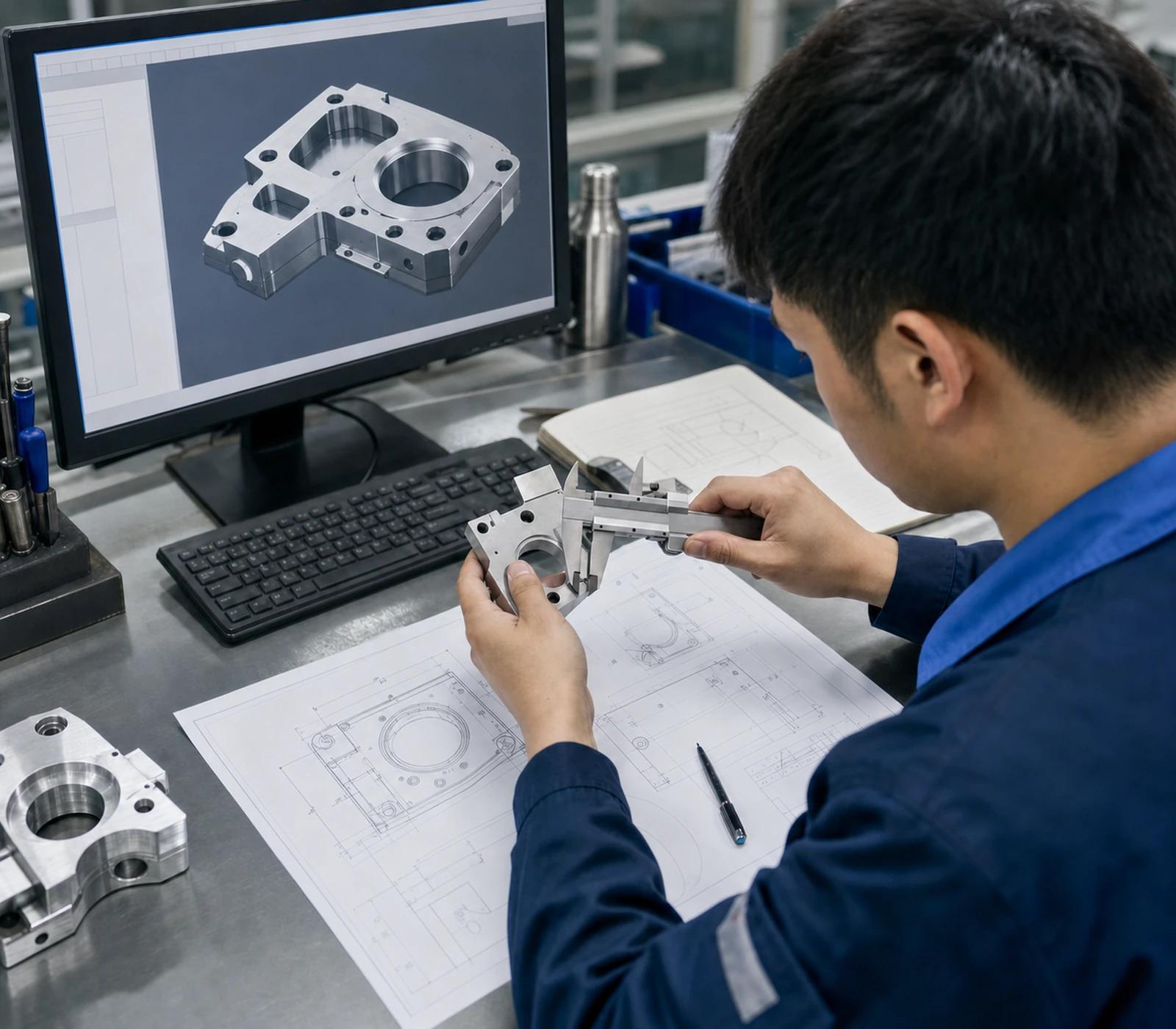
From drawing review to a practical quotation
Start a quote
Files and commercial review
Prepare the technical and commercial details our engineers need to review feasibility, risk, and cost without unnecessary back-and-forth.
Send 2D drawings with tolerances, 3D CAD files when available, material and finish requirements, annual or batch quantity, target delivery date, and any inspection standards. STEP, STP, IGES, PDF, DWG, and DXF files are all useful for engineering review.
For complete drawings and clear quantities, our team usually responds within 24 hours. Complex assemblies, new tooling, or unclear tolerances may require follow-up questions before we provide a reliable quote.
Yes. We can review and sign a customer NDA before receiving confidential drawings. Project files are used only for technical review, quotation, process planning, and approved production work.
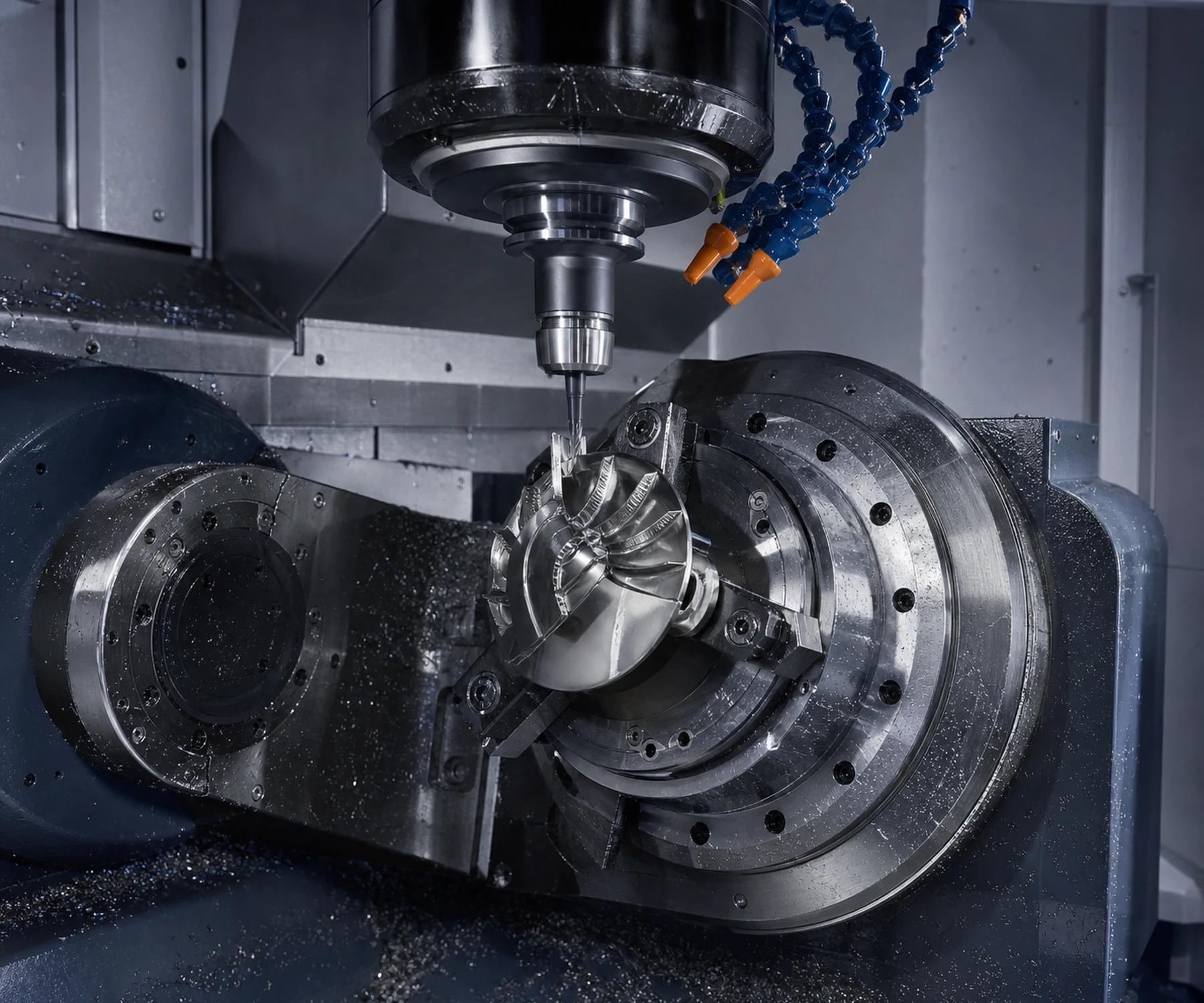
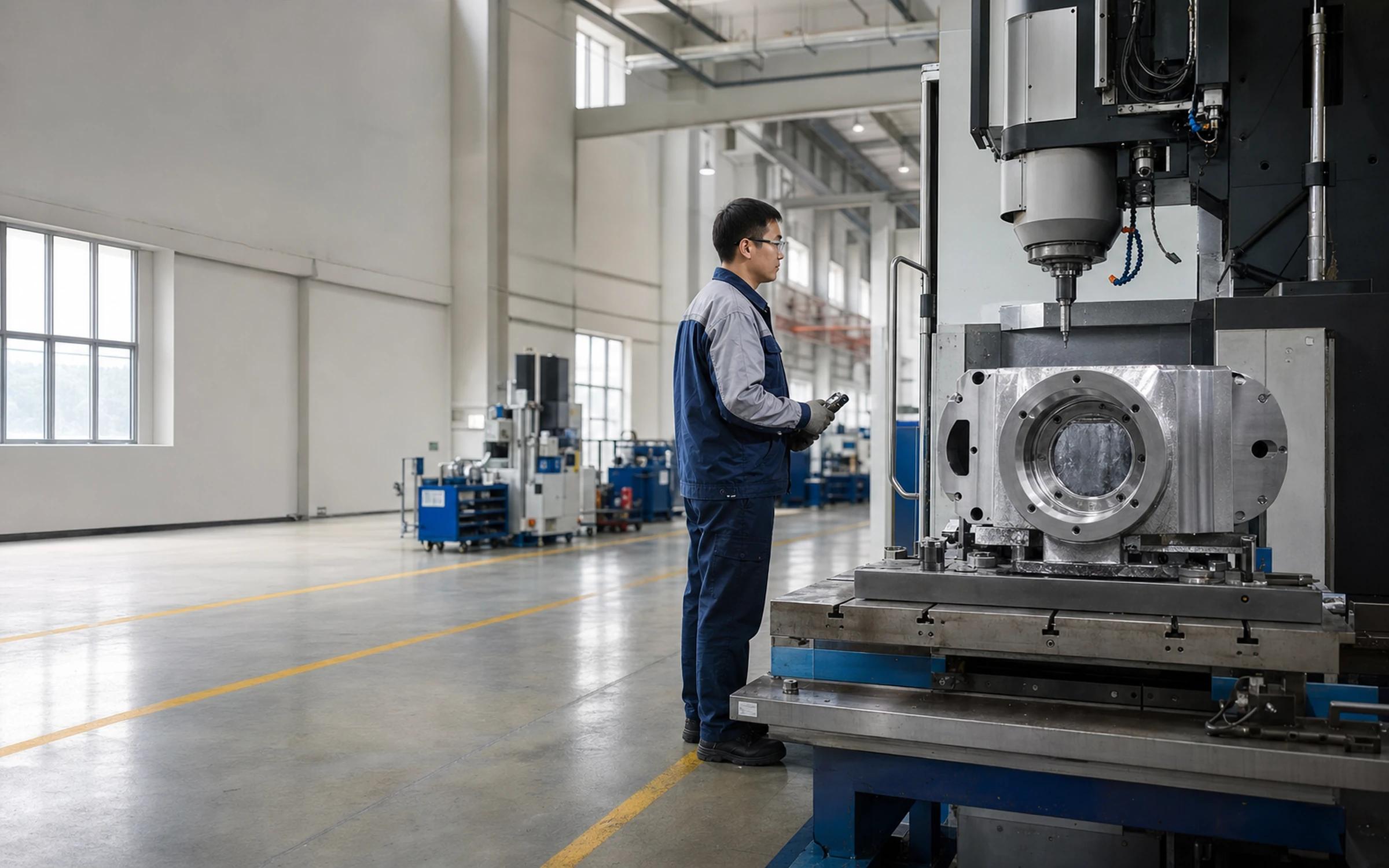
Process planning shaped around part requirements
Build planning
Capabilities and production scope
Understand how process, material, geometry, tolerance, and volume are combined into a stable manufacturing route.
Jingle Tech supports CNC machining, casting, sheet metal fabrication, welding, assembly, surface finishing, and related value-added services. We help choose the route based on geometry, material, tolerance, annual volume, and target cost.
Yes. We commonly work with aluminum alloys, carbon and alloy steels, stainless steels, copper alloys, zinc alloys, cast irons, and engineering plastics. Our team can compare strength, weight, corrosion resistance, machinability, and finish compatibility for your application.
Tolerance capability depends on process, material, part size, geometry, and inspection method. We review critical dimensions before quoting and recommend process controls or design adjustments when a tolerance increases risk or cost.
Yes. We can start with samples or small batches, validate dimensions and finishes, then scale into repeat production with documented process controls, packaging requirements, and scheduled deliveries.
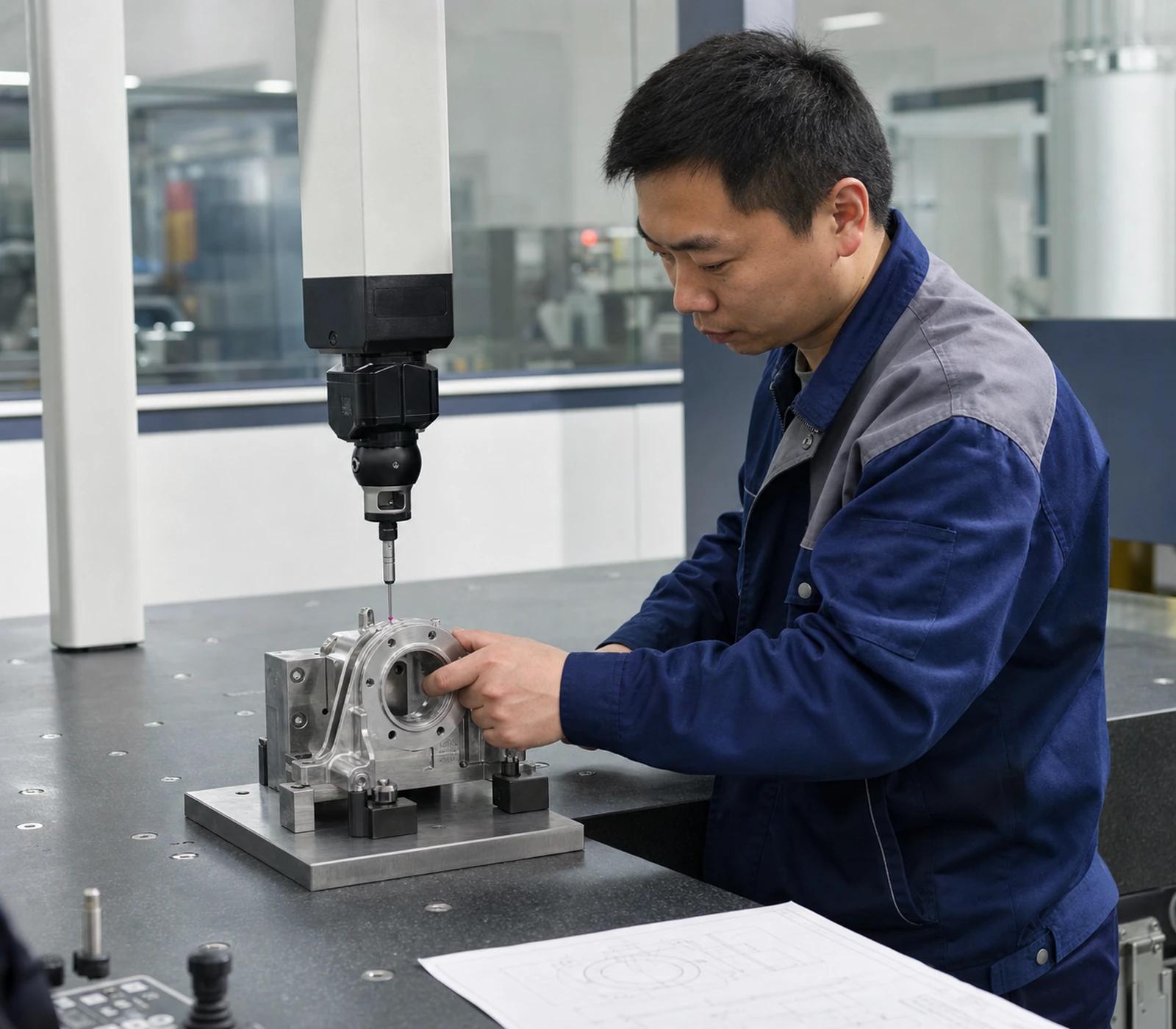
Inspection evidence matched to production risk
Delivery confidence
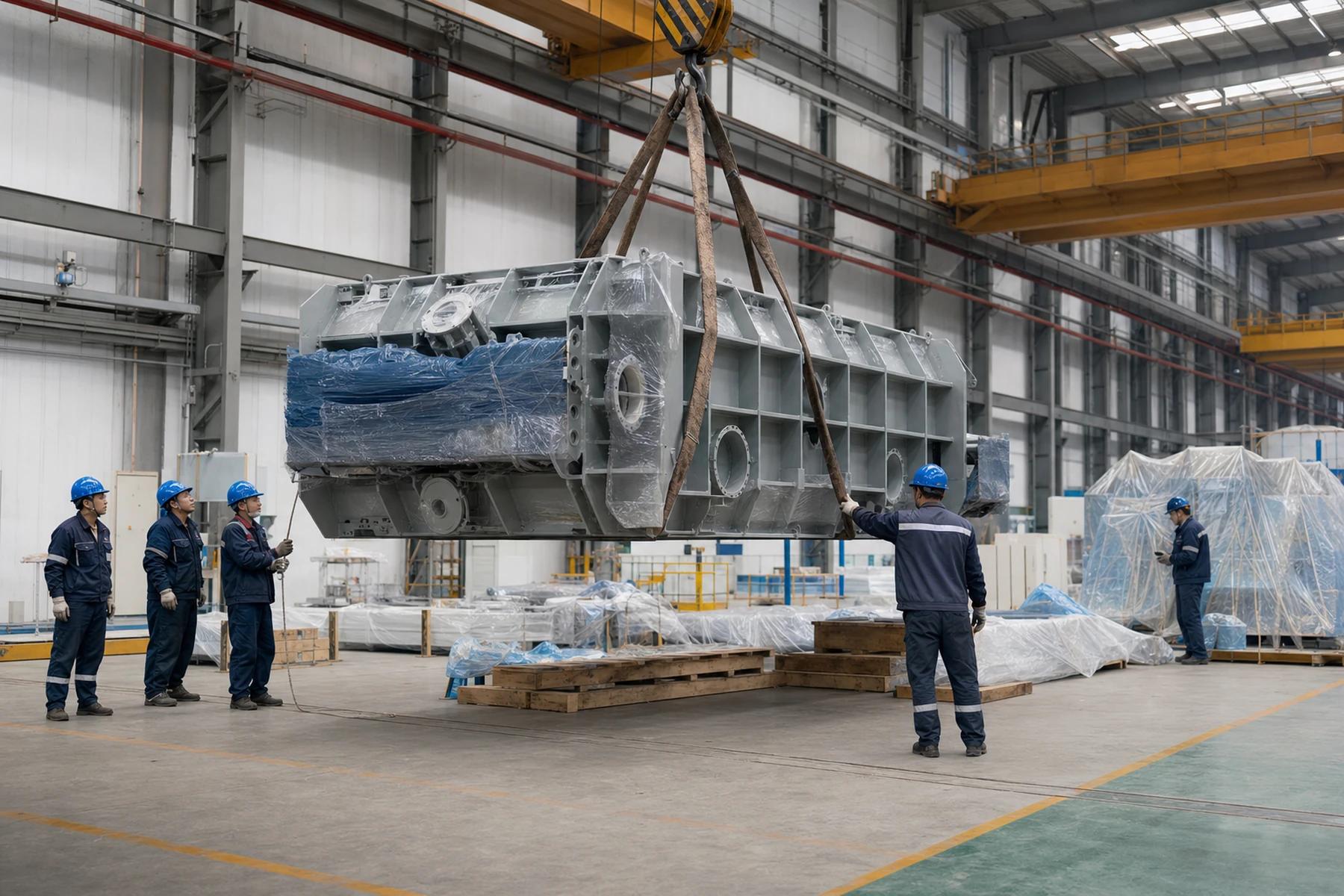
Quality, lead time, and logistics
See how inspection scope, realistic scheduling, protective packaging, and international delivery are defined before shipment.
Inspection planning is based on drawing requirements and production risk. We can provide dimensional checks, material certificates, surface finish checks, first article inspection, in-process checks, and final inspection reports when required.
MOQ and lead time depend on process route, raw material availability, tooling needs, finish, and batch size. Prototype and repeat orders are planned differently, so we confirm realistic timing after reviewing your drawings and quantity.
Yes. We support international delivery by express, air, sea, or customer-designated forwarder. Packaging can be planned around part protection, labeling, corrosion prevention, and receiving requirements.
Still need a project-specific answer?
Send drawings, target quantity, material requirements, and the end-use context. Our engineers will help confirm the process route and next practical step.
Talk to engineering