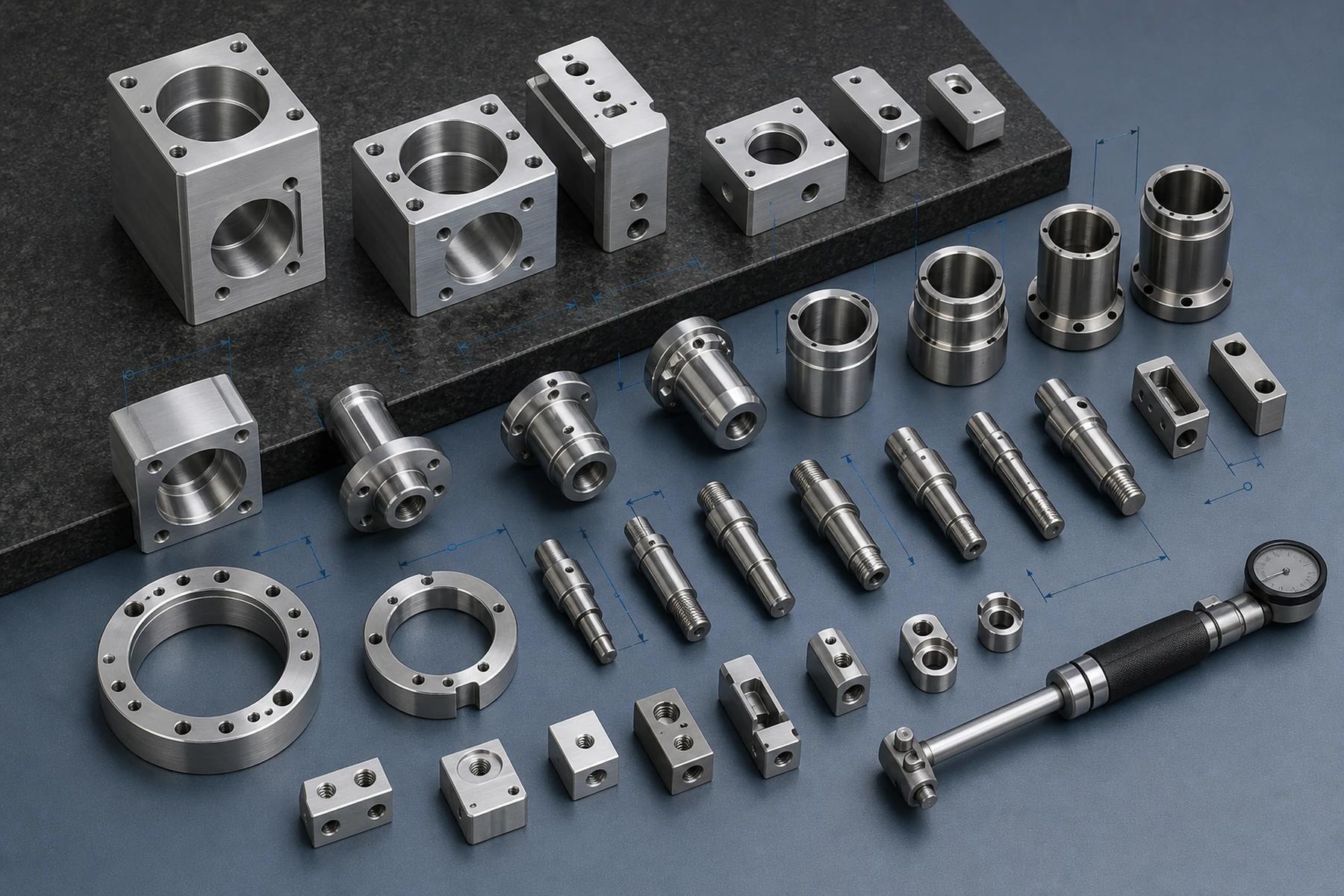
CS-02
Stabilizing a tight-tolerance machined component family
Datum strategy, tool access, in-process checks, and final inspection were aligned for a repeatable family of aluminum and stainless steel parts.
Explore this capability

See how material choices, process planning, inspection strategy, and supplier coordination come together across representative manufacturing programs.
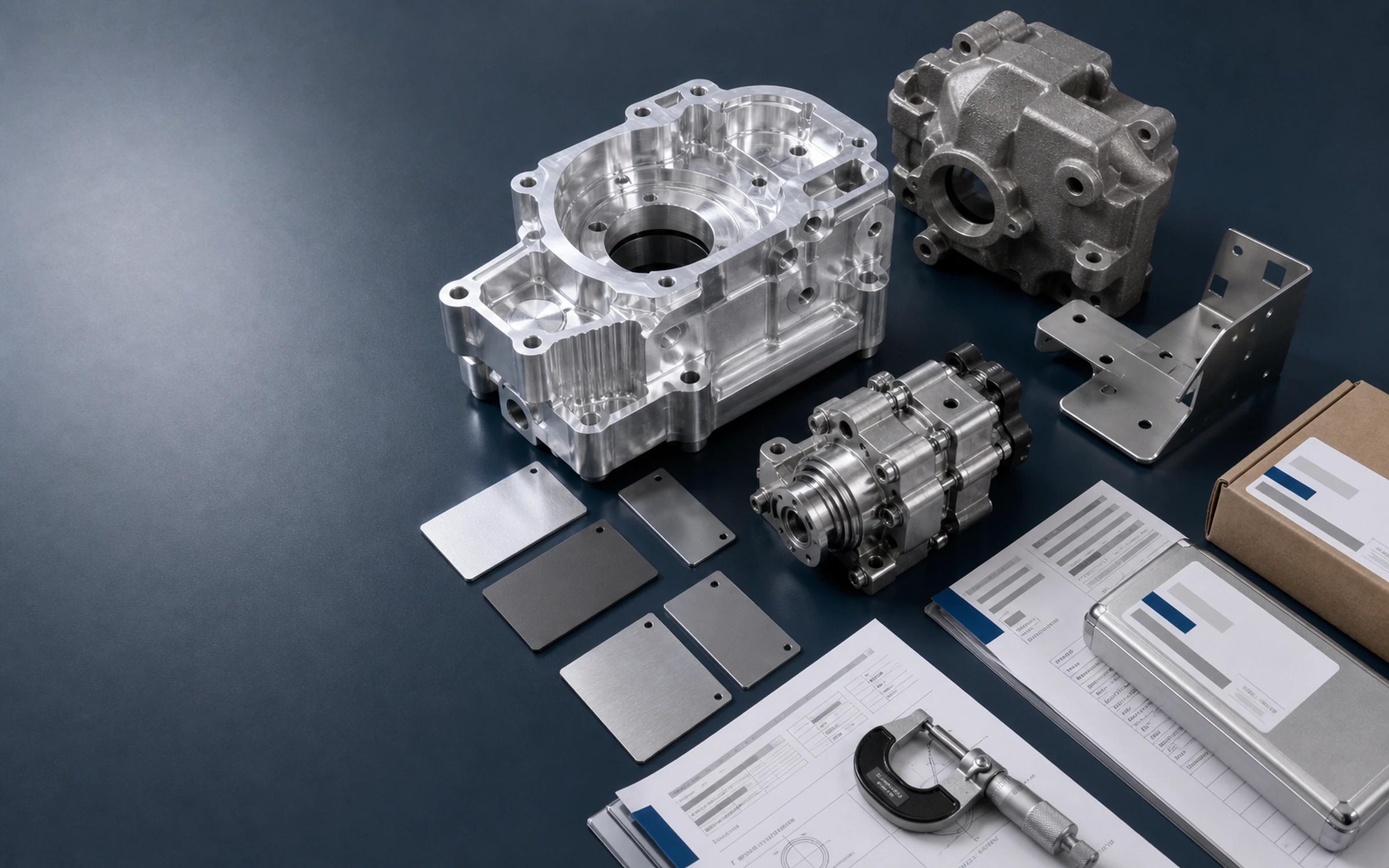
A representative OEM program combining machined housings, fabricated brackets, finishing, inspection, and export packaging under one coordinated release plan.
Multiple suppliers created drawing revisions, finish variation, and delivery dates that were difficult to align with final assembly.
The program was reorganized around one revision register, process-specific control plans, shared inspection gates, and consolidated packaging requirements.
A clearer release path, fewer handoff risks, more consistent documentation, and a repeatable route for subsequent production lots.
A controlled drawing and specification register across processes.
Checks placed where manufacturing risk is introduced.
Machining, finishing, assembly, and packing coordinated together.
A documented route that supports follow-on orders.
Each example focuses on a different production constraint. The value is not a dramatic claim, but a clearer decision path and better control of the work.
Datum strategy, tool access, in-process checks, and final inspection were aligned for a repeatable family of aluminum and stainless steel parts.
Explore this capability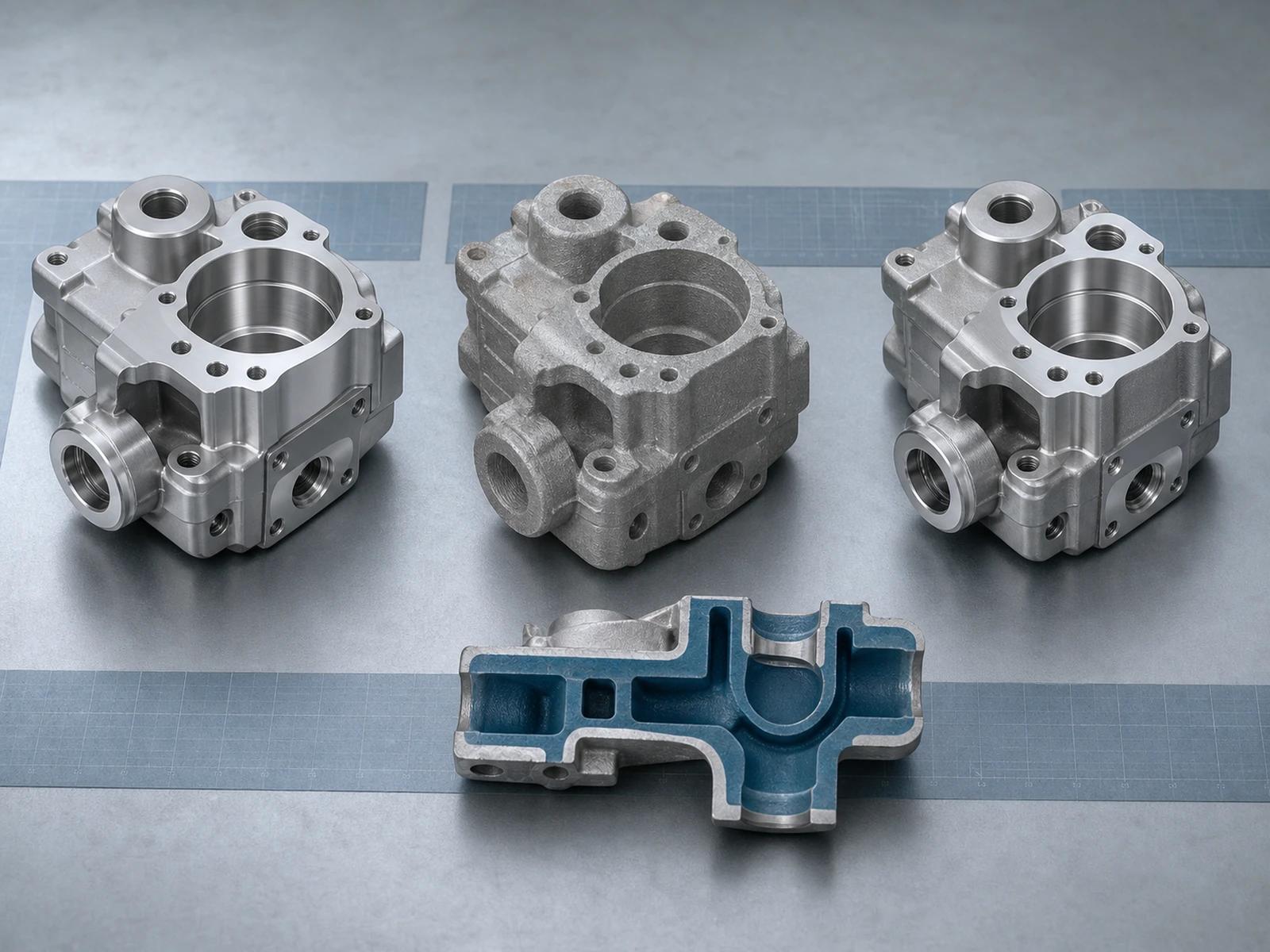
Geometry, draft, wall transitions, machining stock, and inspection datums were reviewed before tooling commitment.
Explore this capability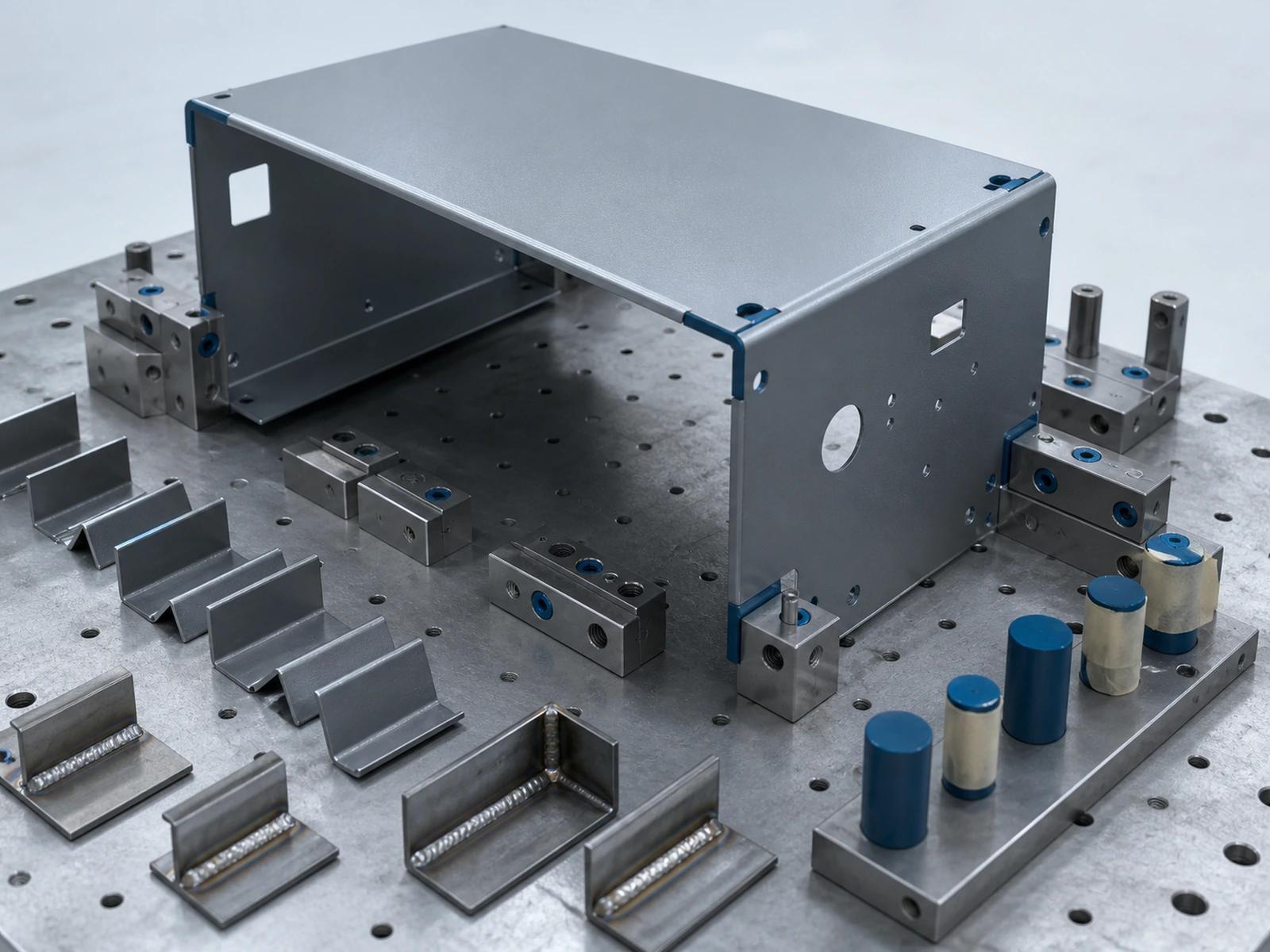
Bend sequence, weld access, fixture references, cosmetic surfaces, and coating protection points were defined before batch release.
Explore this capability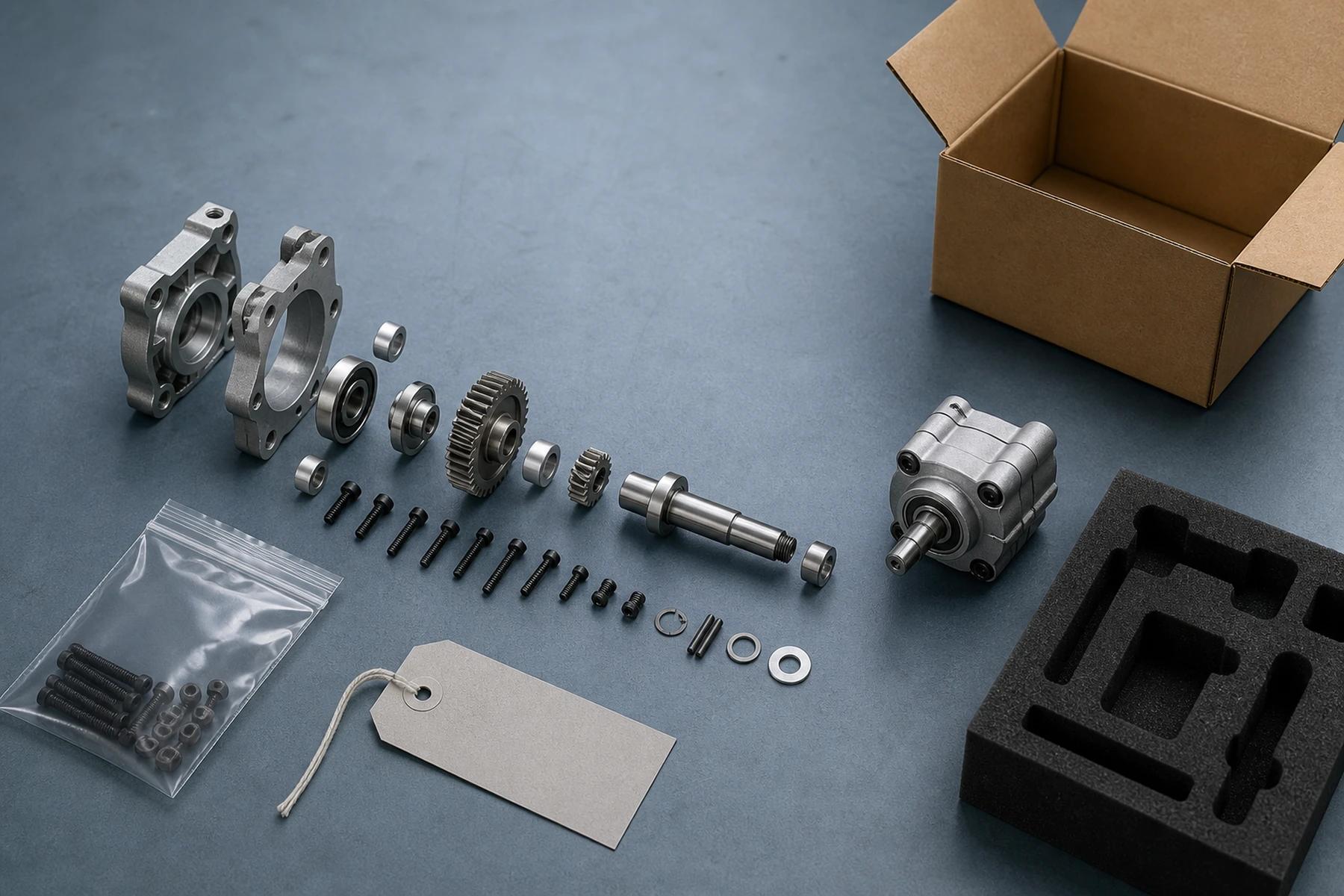
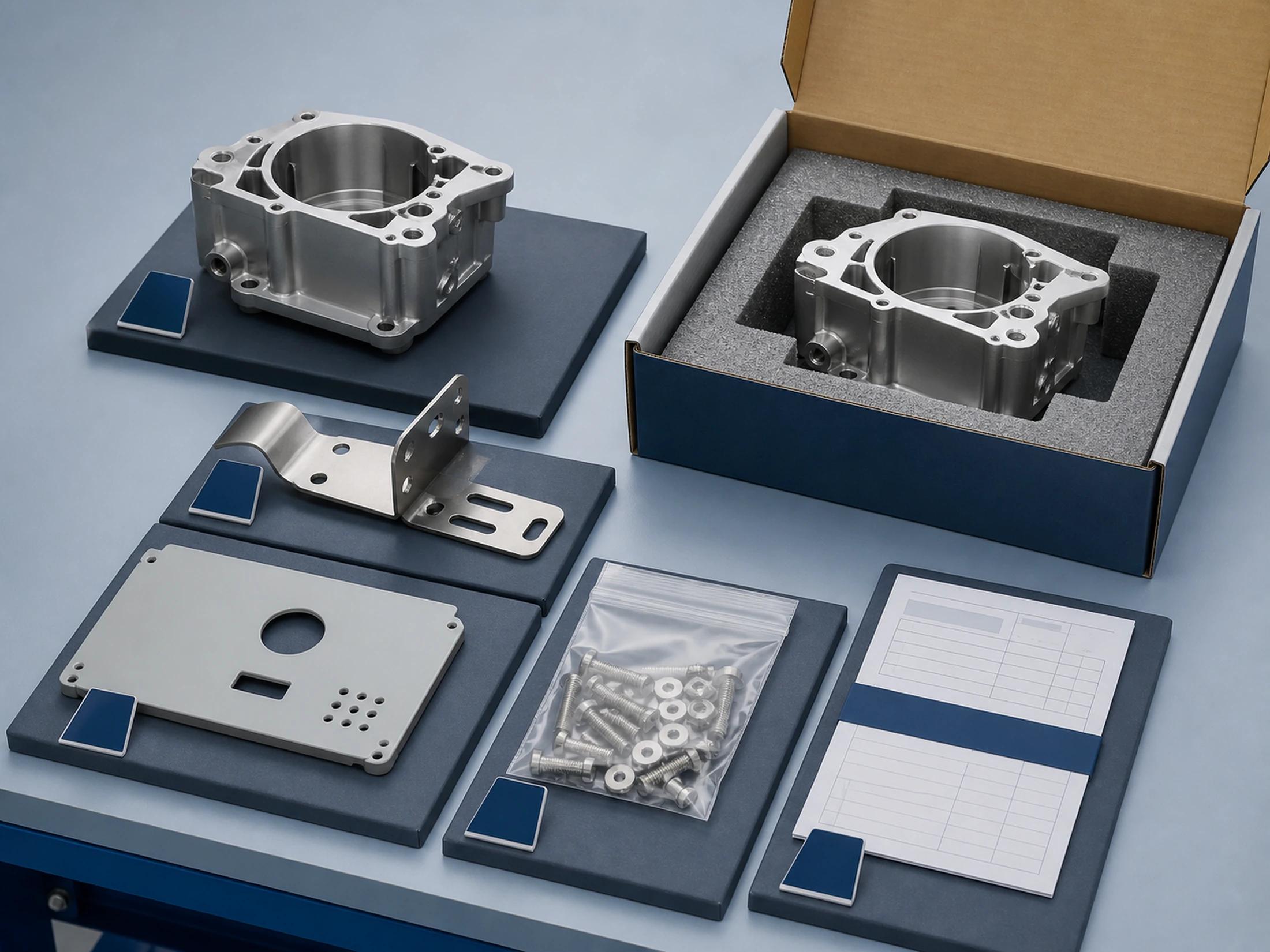
Incoming components, torque controls, kitting order, inspection evidence, and protective packaging were integrated into one assembly workflow.
Explore this capabilityA consistent review structure makes projects easier to compare and keeps the focus on decisions that affect manufacturability, quality, and delivery.
01
Identify the geometry, tolerance, material, volume, cosmetic, or supply issue driving the program.
02
Connect primary manufacturing, secondary operations, finishing, inspection, and packing in the right sequence.
03
Select inspection and documentation where variation is introduced, not only at final release.
04
Capture revisions, fixtures, control points, packaging, and lessons for the next lot.
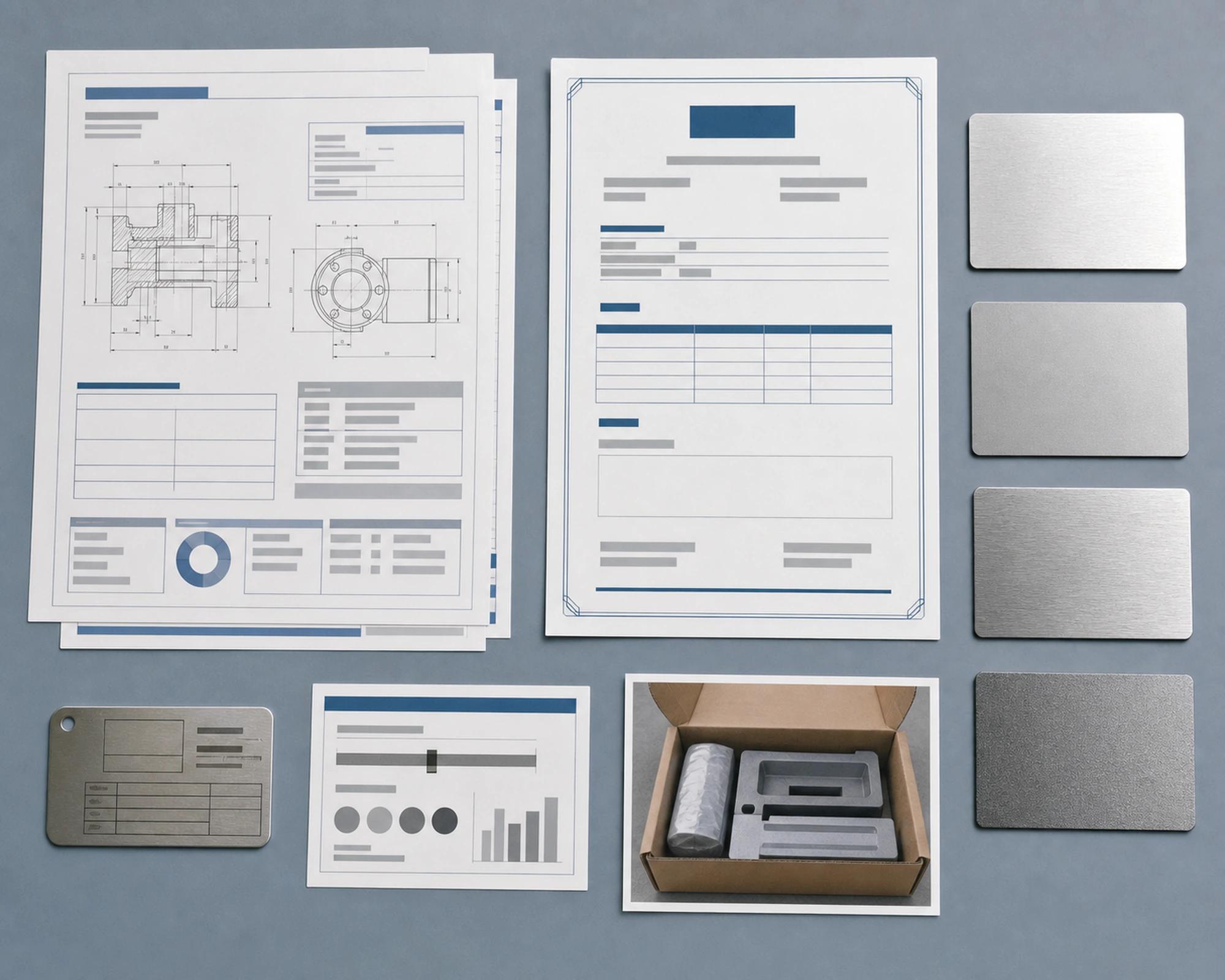
Useful case studies explain the decisions behind the result. They should help a buyer judge whether the same production logic applies to a new part.
Different industries prioritize different evidence, but the same disciplined release logic connects design intent to production.
The strongest manufacturing result usually begins with a better definition of risk, not a faster quotation.
Functional references should guide machining, fixturing, inspection, and assembly.
Masking, allowance, handling, and final appearance need early decisions.
Inspection depth should match functional risk, production volume, and customer requirements.
Part separation, surface protection, labeling, and export handling belong in the release plan.
Continue researching
Share your drawing, material, quantity, finish, and inspection expectations. Our team can help map a practical route from review to production release.