01
Substrate review
Match media and pressure to the base material, cast condition and desired profile.
Media matched to substrate


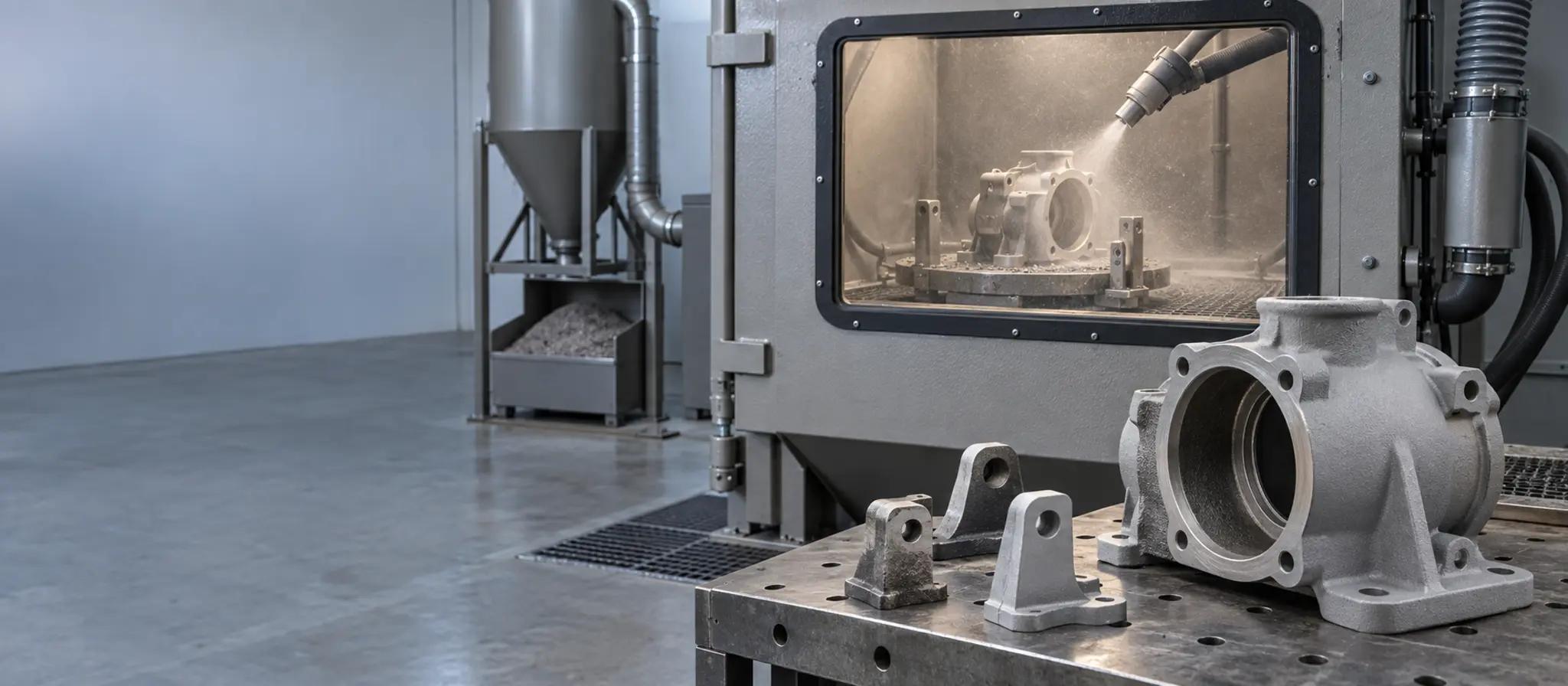
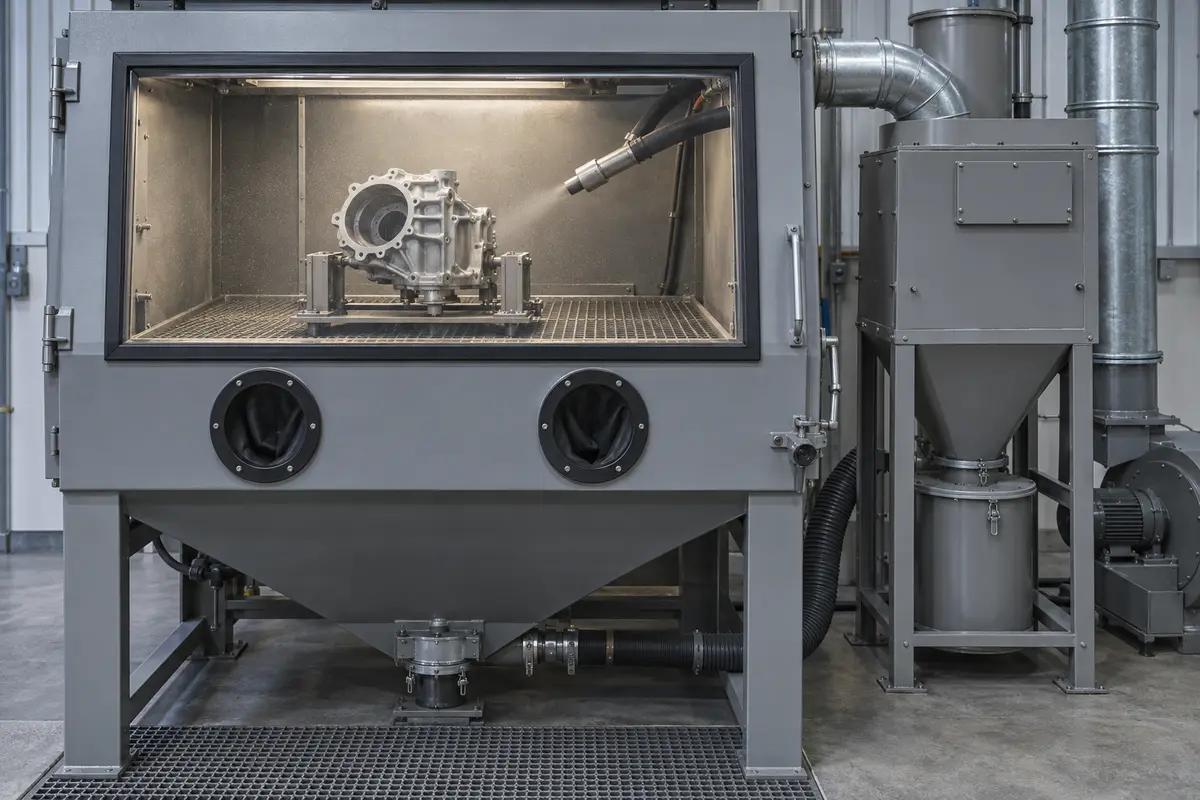
Controlled abrasive blasting for cleaning, matte texture and coating preparation on metal parts and assemblies. JINGLE reviews substrate, media, masking and target surface condition before processing.
Surface preparation for industrial equipment, sheet metal, castings, automation and custom OEM programs.






A quick view of the information buyers need before sending a sand blasting RFQ. Final values are confirmed against substrate, media, coverage, texture and downstream coating requirements.
| Parameter | Capability details |
|---|---|
| Blasting Process | Abrasive blasting for cleaning, deburring, matte texture or coating preparation |
| Part Envelope | To be confirmed - reserve booth, rack and handling envelope |
| Media / Texture | To be confirmed - media type and target profile by substrate and finish |
| Surface Condition | As-blasted, coating-ready or project-specific condition |
| Materials | Steel, stainless steel, aluminum, castings and compatible fabricated parts |
| Masking | Threads, bores, sealing faces and cosmetic zones masked per drawing |
| Production Volume | Prototype, low-volume and batch production |
| Accepted Drawing Formats | STEP, IGES, Parasolid, SolidWorks, PDF drawing and DXF |
01
Match media and pressure to the base material, cast condition and desired profile.
Media matched to substrate
02
Reach recesses while protecting bores, seals, threads and critical faces.
Coverage and masking planned
03
Check cleanliness, texture and handling condition before coating or assembly.
Coating-ready surface checked
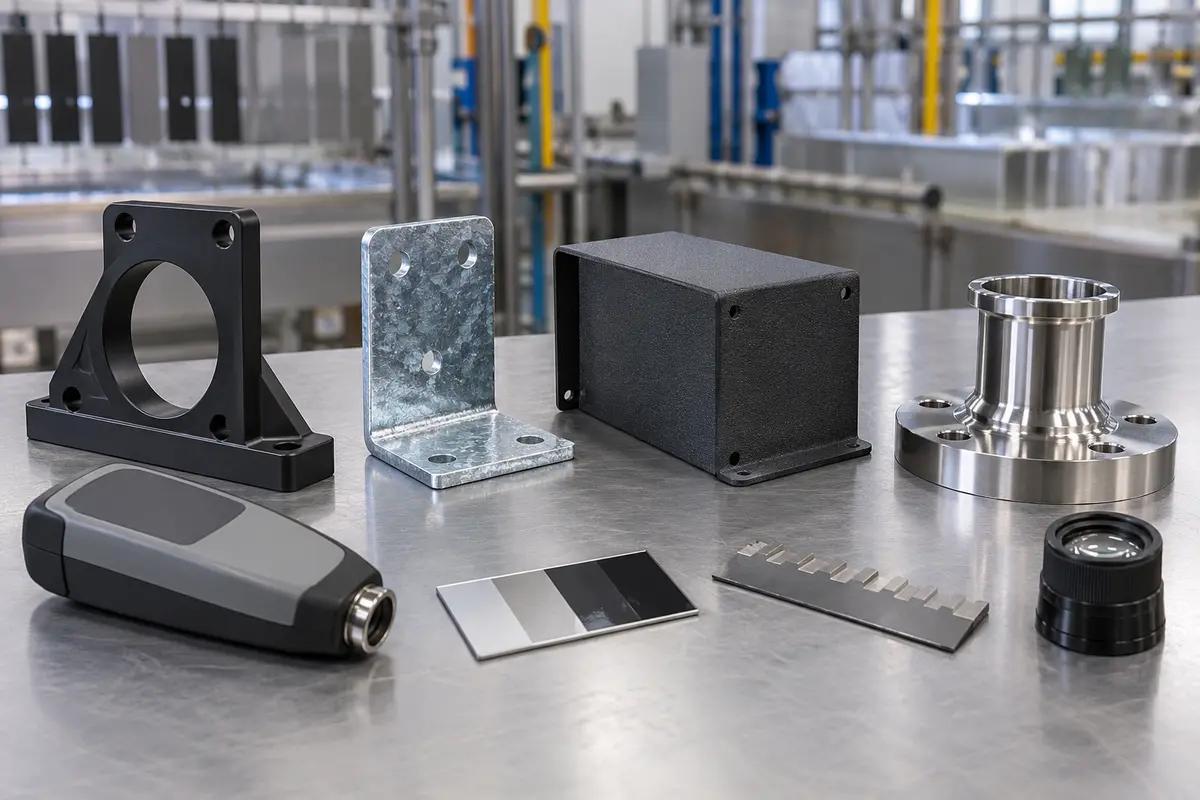
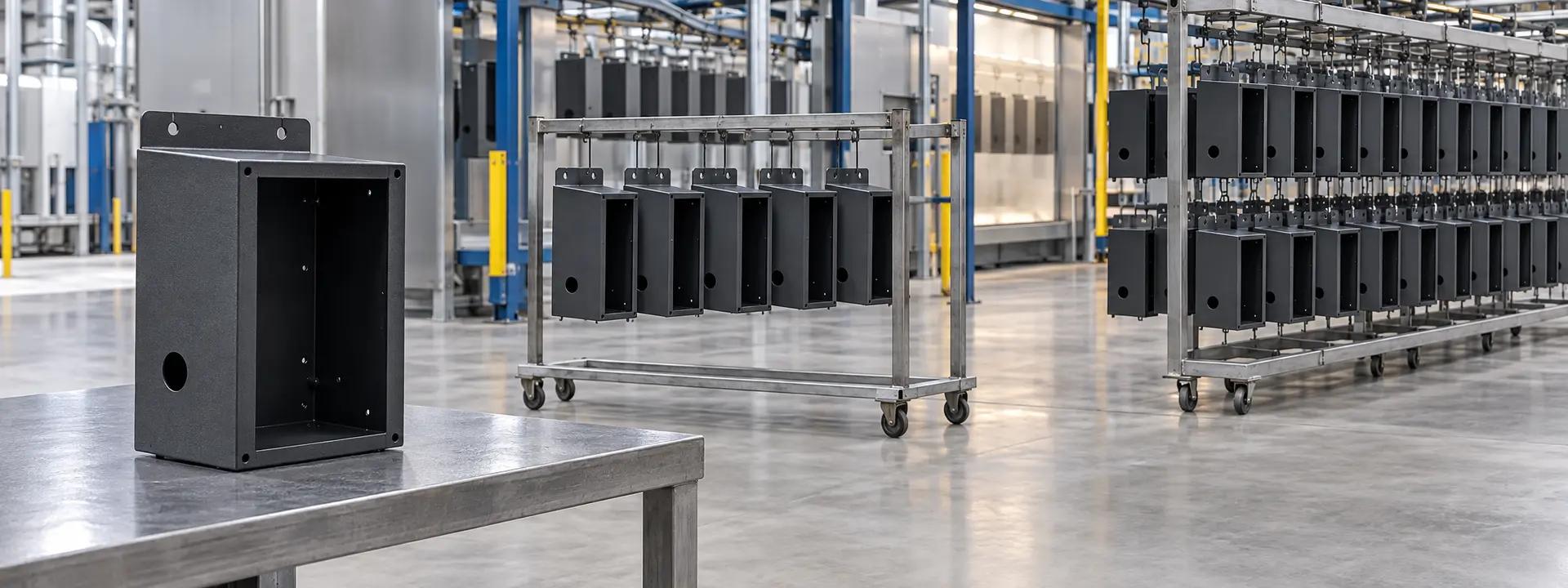
Blast cabinets, booths, media systems and protected handling areas.
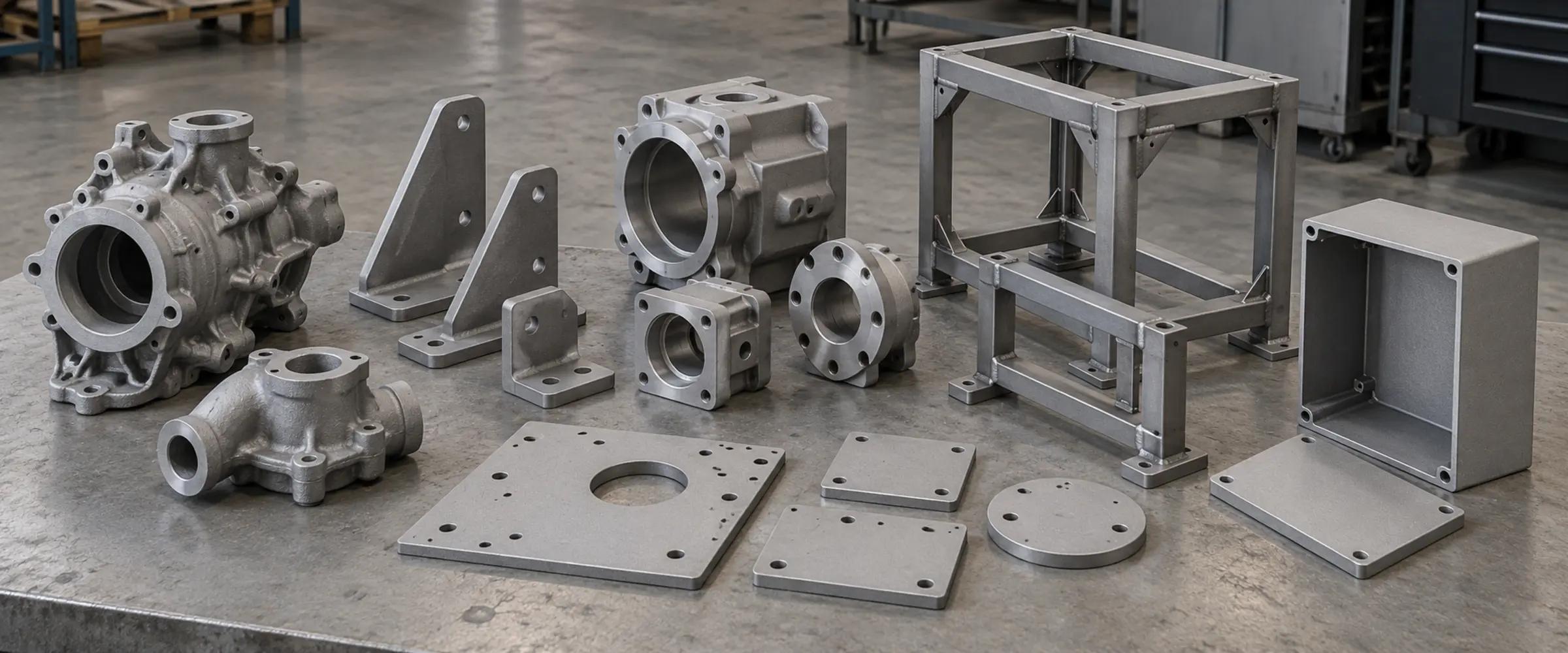
Enclosures, castings and machined parts undergoing abrasive preparation.
Prepared parts staged for surface profile and cleanliness inspection.
Sheet metal housings prepared for coating or a specified matte texture.
Joined structures with weld areas and coverage requirements reviewed.
Cast surfaces cleaned to the agreed downstream finish condition.
Precision parts with sealing and mating features protected.
Panels and supports prepared with controlled surface texture.
Custom assemblies with media access and post-blast handling planned.
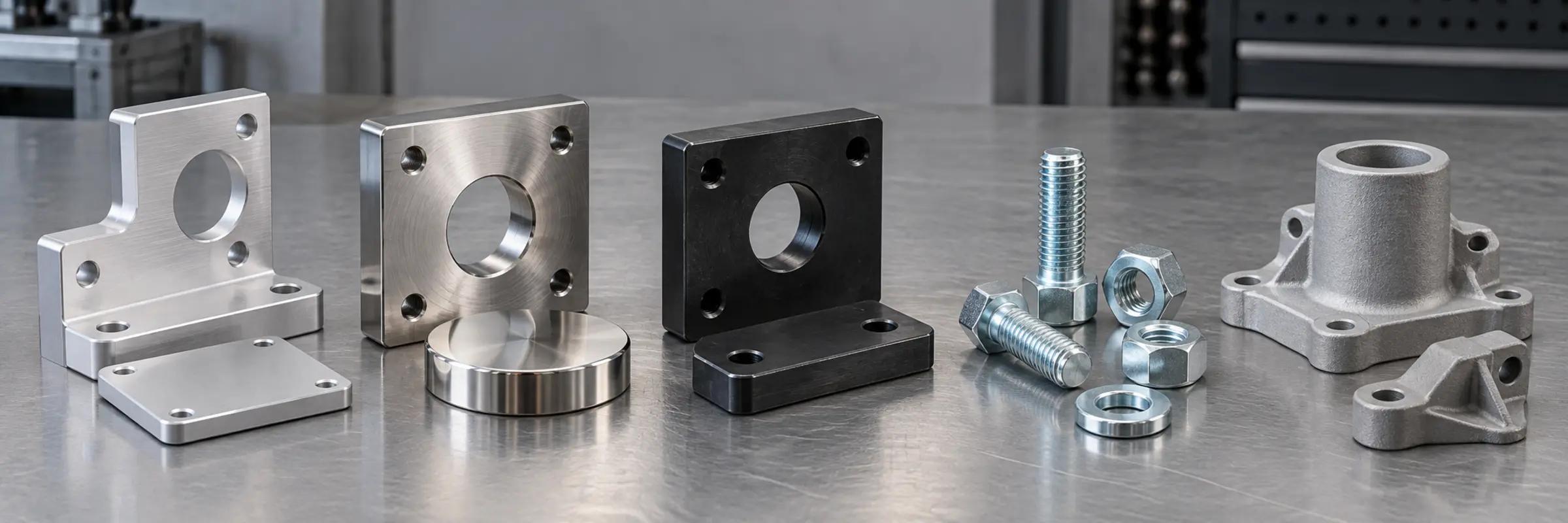
coating-ready structures
corrosion-resistant panels
lightweight housings
cast component cleanup
welded OEM assemblies
Review base material, cast or welded condition and existing surface contamination.
Confirm approved media, protected features and process setup.
Inspect coverage and texture against the agreed surface reference or profile requirement.
Verify cleanliness and handling condition before the next coating or assembly step.
01
Confirm media, texture, masking and downstream coating response on first articles.
02
Support launch quantities with approved surface samples and controlled coverage.
03
Repeat the media, masking and cleaning route with planned checks.
01
Review starting condition and downstream coating requirements before blasting.
02
Match abrasive media and masking to substrate and target surface profile.
03
Use approved first-article texture to guide launch quantities and repeat work.
04
Check coverage, residual contamination and profile against agreed criteria.
05
Confirm surface profile, cleaning and material records with the RFQ.
06
Clarify substrate, texture, masking and quantity before selecting the preparation route.
Steel, stainless steel, aluminum, iron castings and compatible fabricated assemblies can be reviewed. Substrate condition, wall thickness and sensitive features determine the suitable media and process approach.
Matte texture and coating-ready surfaces can be evaluated against an approved sample or profile specification. Include the downstream coating requirements so cleanliness and texture are planned together.
Threads, bores, sealing faces and critical cosmetic areas are reviewed for suitable masking. Mark protected surfaces and final tolerances on the drawing before the blasting route is confirmed.
Abrasive media and target profile are selected after reviewing the substrate, starting condition and desired finish. Share any media restrictions and contamination limits, especially for stainless or aluminum components.
Surface profile and cleaning records can be included when inspection methods and acceptance criteria are agreed. Specify required records and downstream coating standards with the RFQ.
Send the drawing with substrate, target texture, media preference, masking, quantity and downstream coating requirements. Include sensitive features and any handling or cleanliness restrictions.
Send the drawing with substrate, target texture, masking, quantity and downstream finish. We will review the blasting route before quoting.
Related surface finishing processes