01
Surface review
Confirm alloy, weld condition, machining marks and starting roughness before processing.
Starting surface assessed


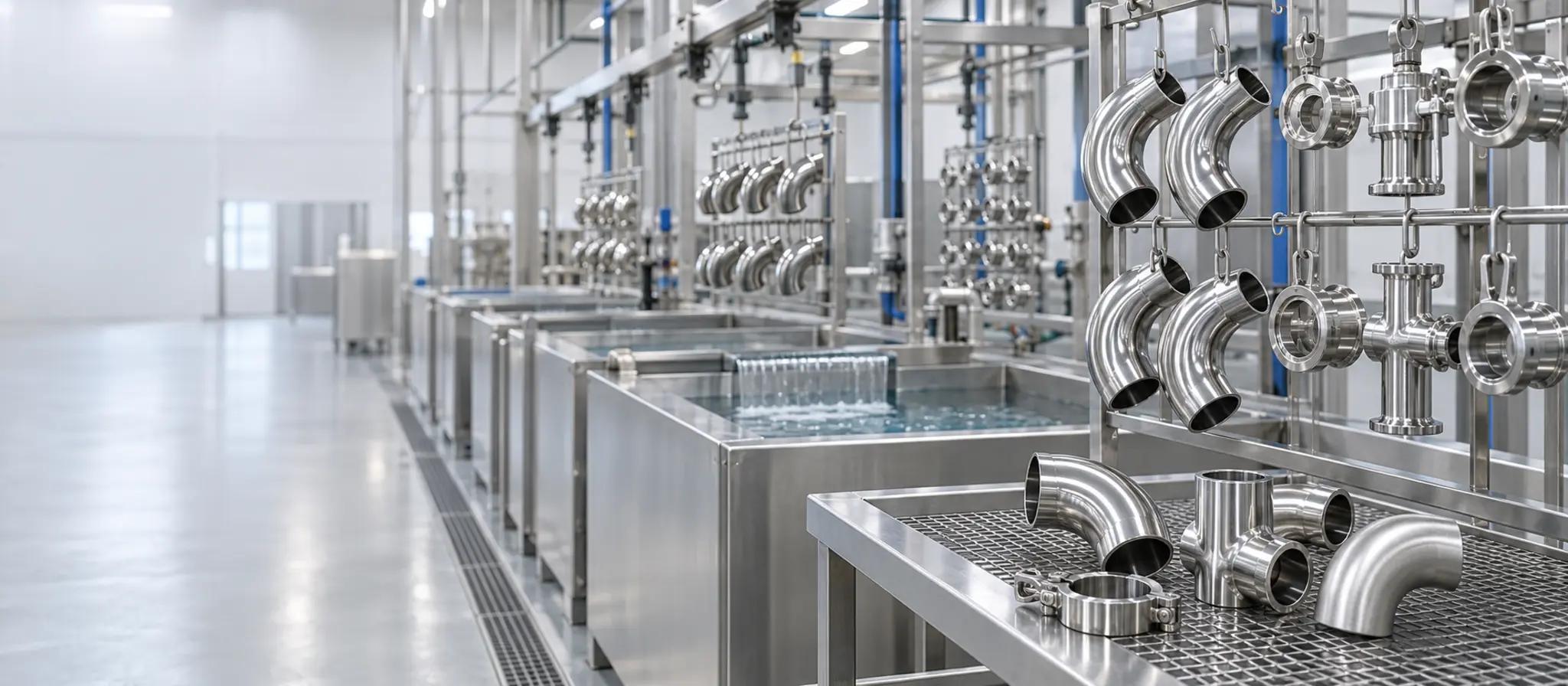
Bright, clean and deburred stainless steel surfaces for medical, food, fluid and industrial components. JINGLE reviews alloy, surface condition, masking and cleanliness requirements before processing.
Stainless finishing for medical, food equipment, fluid control, automation and custom OEM programs.






A quick view of the information buyers need before sending an electropolishing RFQ. Final values are confirmed against alloy, initial roughness, masking, cleanliness and appearance requirements.
| Parameter | Capability details |
|---|---|
| Finish Process | Electropolishing with cleaning, rinsing and project-specific passivation |
| Part Envelope | To be confirmed - reserve tank, rack and handling envelope |
| Surface Finish | To be confirmed - final Ra range by alloy and starting condition |
| Appearance | Bright, satin or project-specific appearance confirmed per project |
| Materials | Stainless steel and compatible nickel-based or specialty alloys upon review |
| Masking | Threads, bores, contact points and cosmetic zones masked per drawing |
| Production Volume | Prototype, low-volume and batch production |
| Accepted Drawing Formats | STEP, IGES, Parasolid, SolidWorks, PDF drawing and DXF |
01
Confirm alloy, weld condition, machining marks and starting roughness before processing.
Starting surface assessed
02
Control current contact and protect threads, bores and mating features.
Sensitive features protected
03
Verify appearance, burr reduction, surface condition and final dimensions.
Surface and fit verified
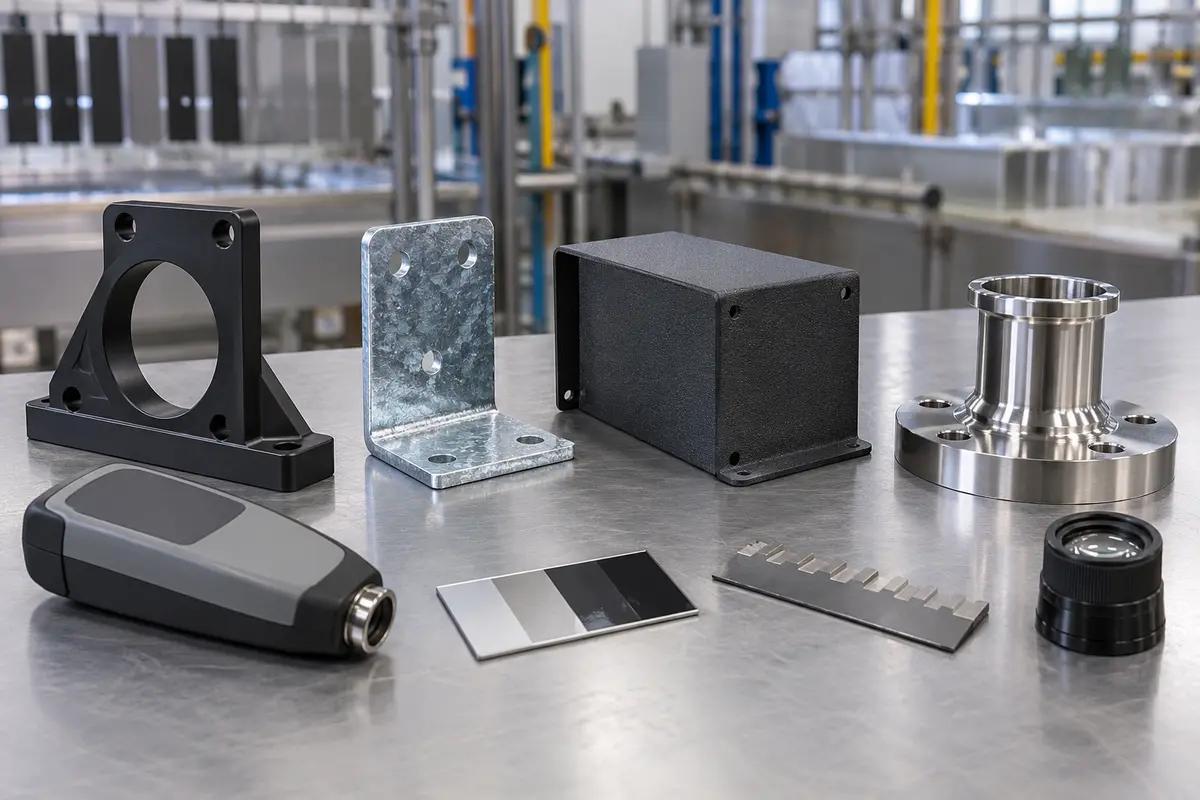
Electropolishing tanks, racks, rinse stages and handling equipment.
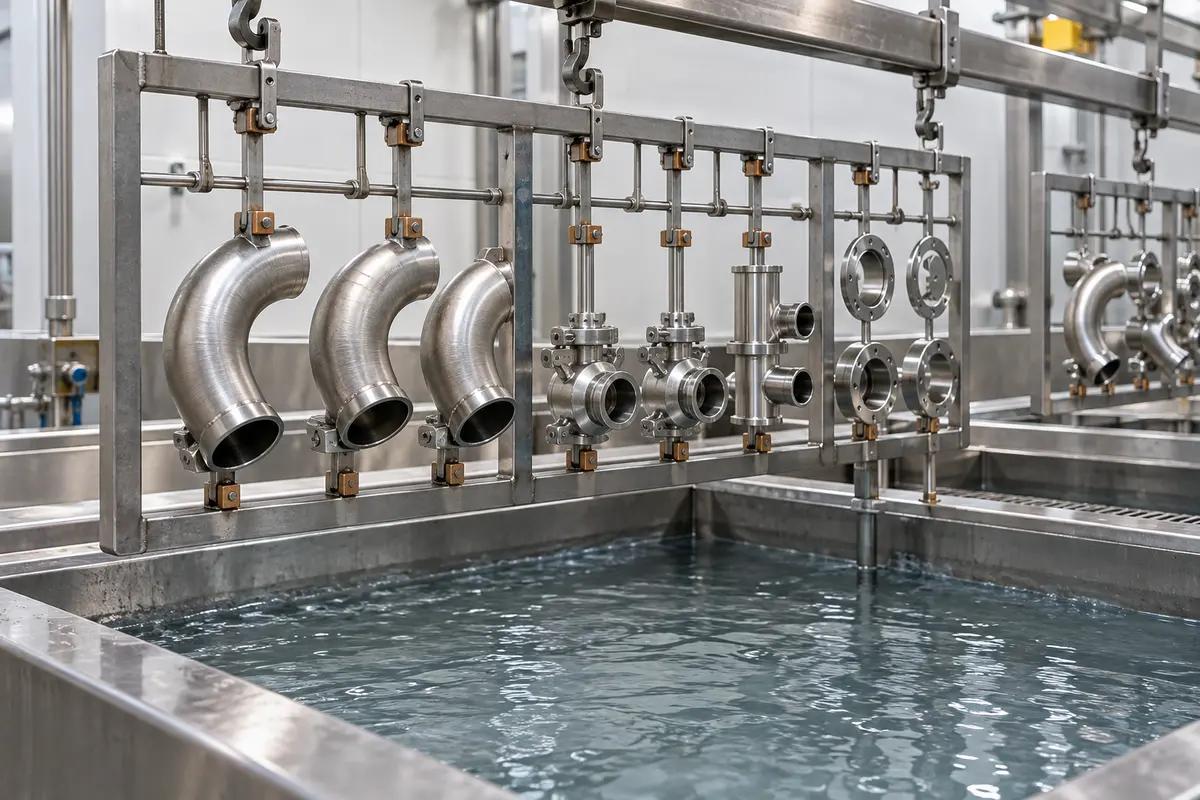
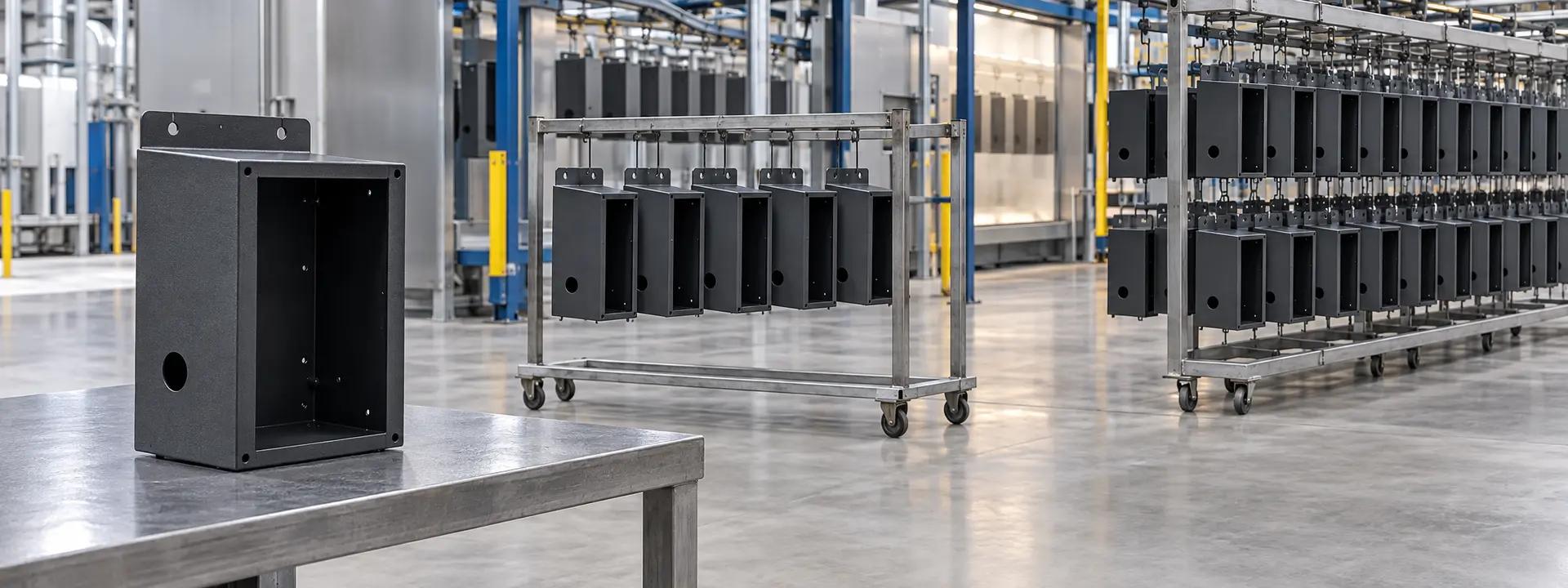
Racked stainless components progressing through the finishing line.
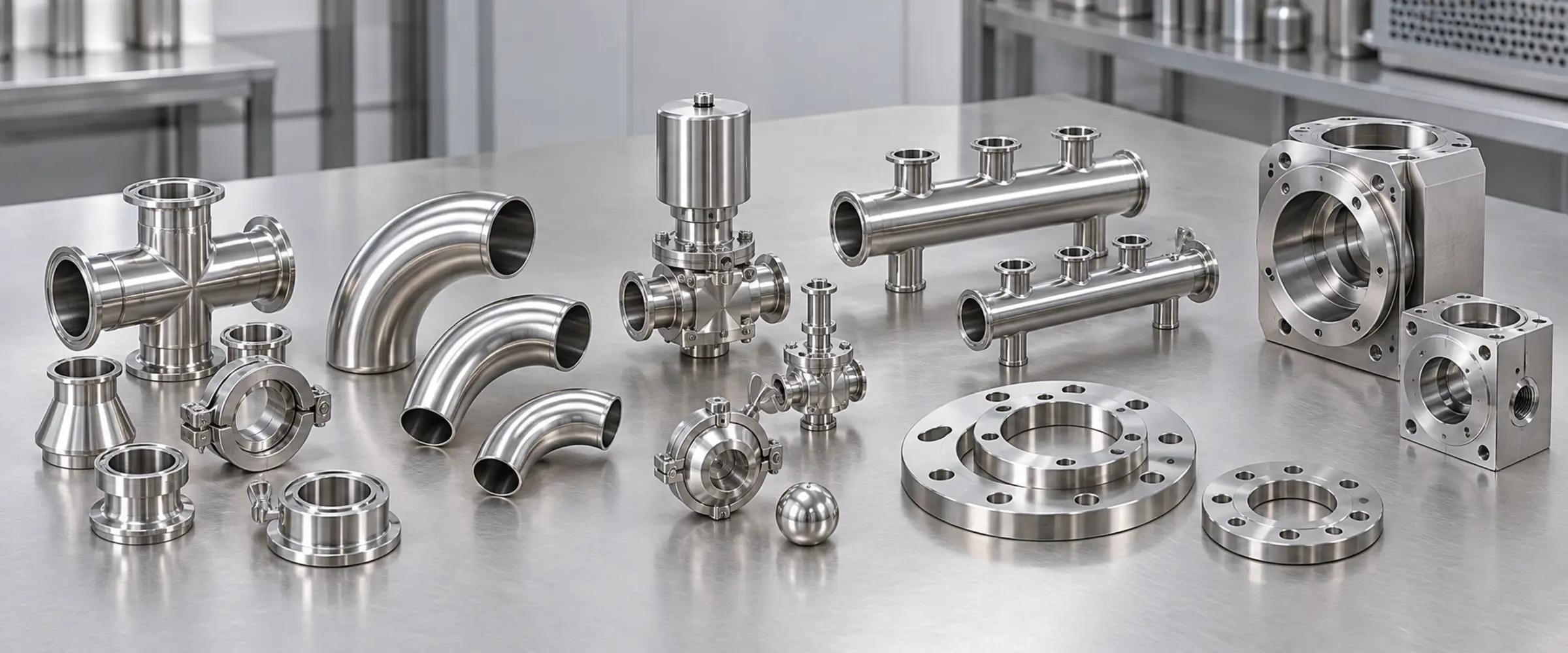
Finished parts prepared for roughness, appearance and cleanliness checks.
Fluid-contact surfaces with specified finish and cleanliness requirements.
Machined flow components with internal access and masking reviewed.
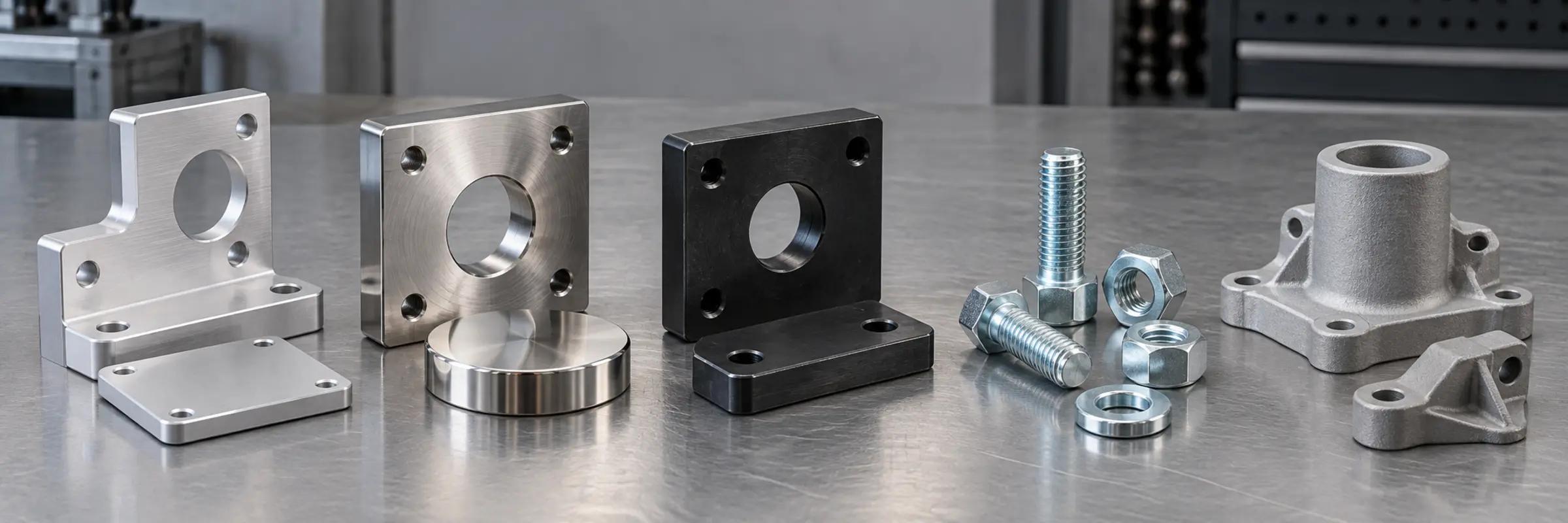
Application-specific parts with agreed surface acceptance and documentation.
Cleanable components with weld and initial surface condition assessed.
Stainless housings with protected fits and controlled appearance.
Custom stainless parts reviewed against alloy, roughness and dimensional requirements.
general corrosion resistance
cleanable fluid paths
hardenable stainless parts
high-temperature service
specified alloy review
Review alloy, welds, machining marks and starting roughness.
Verify rack contacts, masking and process checkpoints for critical features.
Check appearance, specified roughness and agreed cleanliness criteria.
Measure critical dimensions after processing to confirm the finished condition.
01
Confirm surface response, masking and appearance on first articles.
02
Support launch quantities with approved samples and controlled racking.
03
Repeat the cleaning, polishing and passivation route with planned checks.
01
Review sensitive features and starting surfaces before processing.
02
Assess alloy response, roughness targets and cleanliness acceptance together.
03
Validate first-article surfaces before launch quantities and repeat runs.
04
Check surface condition and material-removal effects on finished dimensions.
05
Agree surface finish, cleanliness and material records during RFQ review.
06
Clarify initial condition, target finish, masking and quantity before quoting.
304, 316, 17-4 PH and project-specific stainless grades can be reviewed, along with compatible nickel-based alloys. Alloy, heat treatment and starting surface condition determine process suitability and appearance.
Electropolishing can reduce small burrs and smooth surface peaks to improve cleanability. It does not replace removal of large defects or application-specific cleaning and validation requirements.
Threads and internal features can be evaluated for masking and racking access. Identify no-process areas and critical fits so current distribution and material removal can be reviewed.
Final roughness and appearance depend on alloy, starting condition and geometry. Send the initial surface data and target finish so feasibility and first-article acceptance can be agreed.
Surface finish and cleanliness records can be included when the measurement methods and acceptance criteria are agreed. Specify the required documentation rather than assuming medical, food-contact or sterile compliance from the finish alone.
Send the drawing with alloy, initial surface condition, target finish, masking, quantity and cleanliness requirements. Include critical dimensions and internal features to support process and inspection review.
Send the drawing with alloy, surface condition, target finish, masking and quantity requirements. We will review the process route before quoting.
Related surface finishing processes