01
Surface preparation
Align machining, cleaning and pre-treatment with the desired appearance and adhesion.
Surface condition aligned


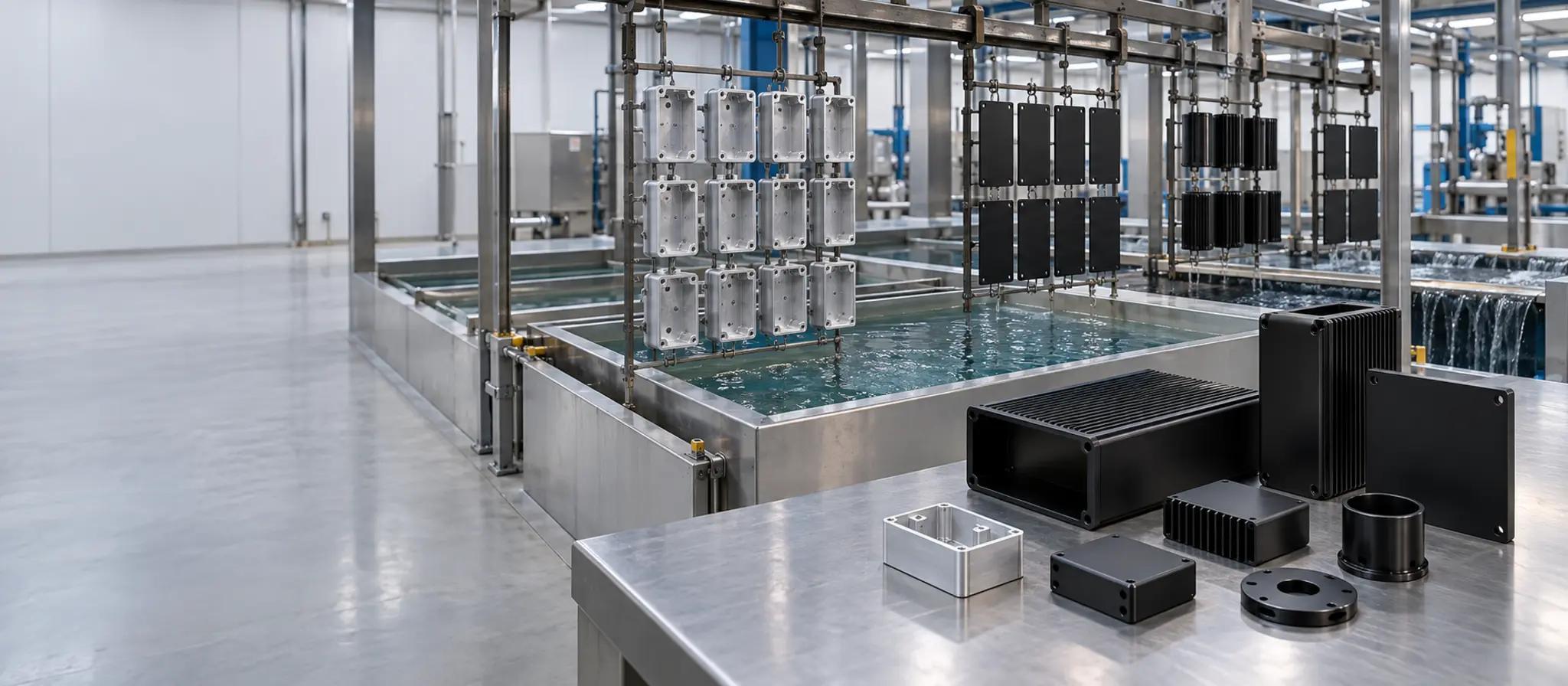
Protective and decorative anodizing for aluminum housings, panels, brackets and machined parts. JINGLE reviews alloy, pre-treatment, color, masking and inspection requirements before finishing.
Aluminum finishing for electronics, automation, industrial equipment, mobility and custom OEM programs.






A quick view of the information buyers need before sending an anodizing RFQ. Final values are confirmed against alloy, color, film, masking and cosmetic requirements.
| Parameter | Capability details |
|---|---|
| Finish Type | Type II, hard anodizing or project-specific anodizing route |
| Part Envelope | To be confirmed - reserve tank, racking and handling envelope |
| Film Thickness | To be confirmed - target range by alloy and specification |
| Color | Natural, black, clear or project-specific color match |
| Materials | Aluminum alloys and compatible aluminum cast or machined parts |
| Masking | Threads, bores, contact points and cosmetic zones masked per drawing |
| Production Volume | Prototype, low-volume and batch production |
| Accepted Drawing Formats | STEP, IGES, Parasolid, SolidWorks, PDF drawing and DXF |
01
Align machining, cleaning and pre-treatment with the desired appearance and adhesion.
Surface condition aligned
02
Protect threads, bores and electrical contact areas while maintaining consistent coverage.
Critical features protected
03
Check color, film, appearance and critical dimensions before release.
Film and appearance verified
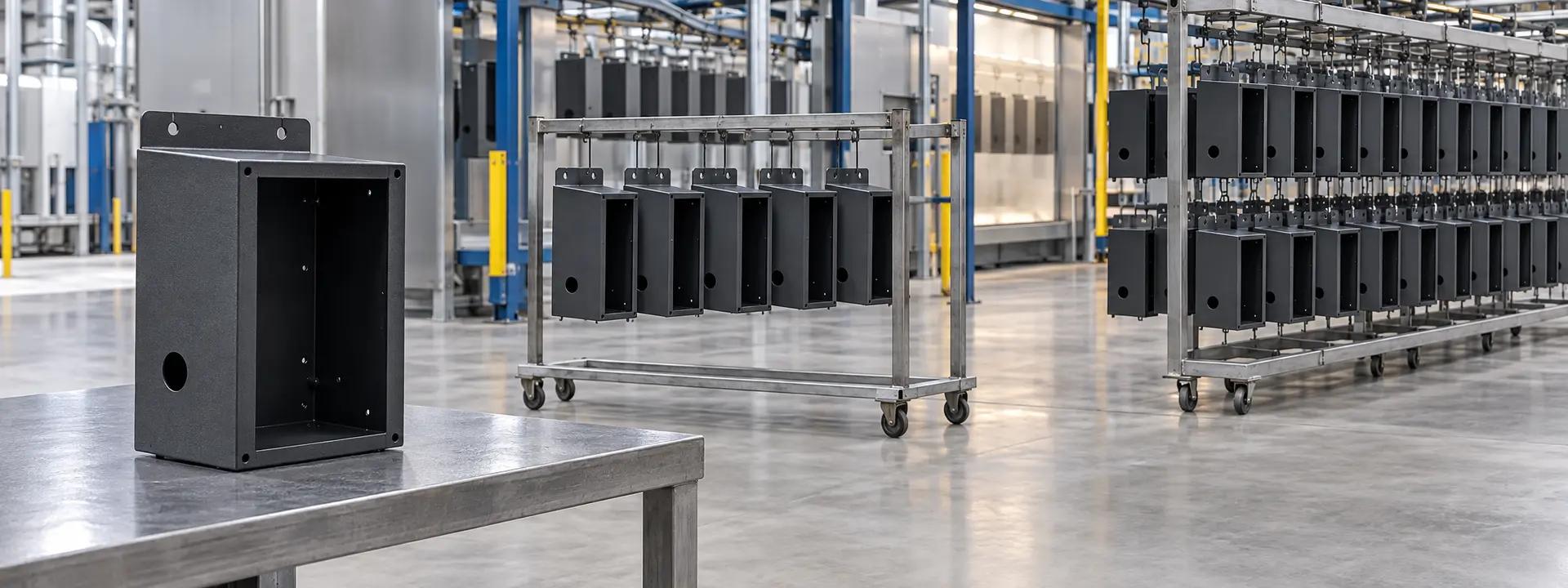
Process tanks, racks and handling equipment for aluminum finishing.
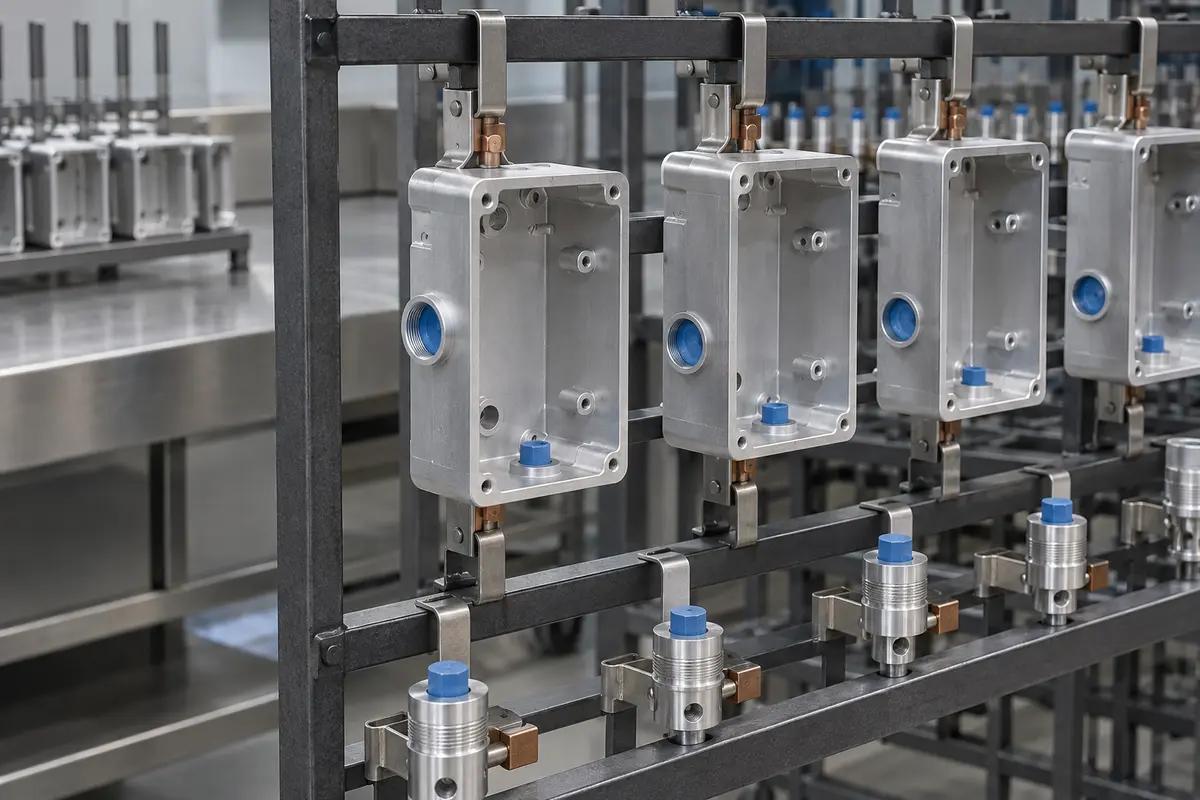
Racked aluminum components progressing through preparation and anodizing stages.
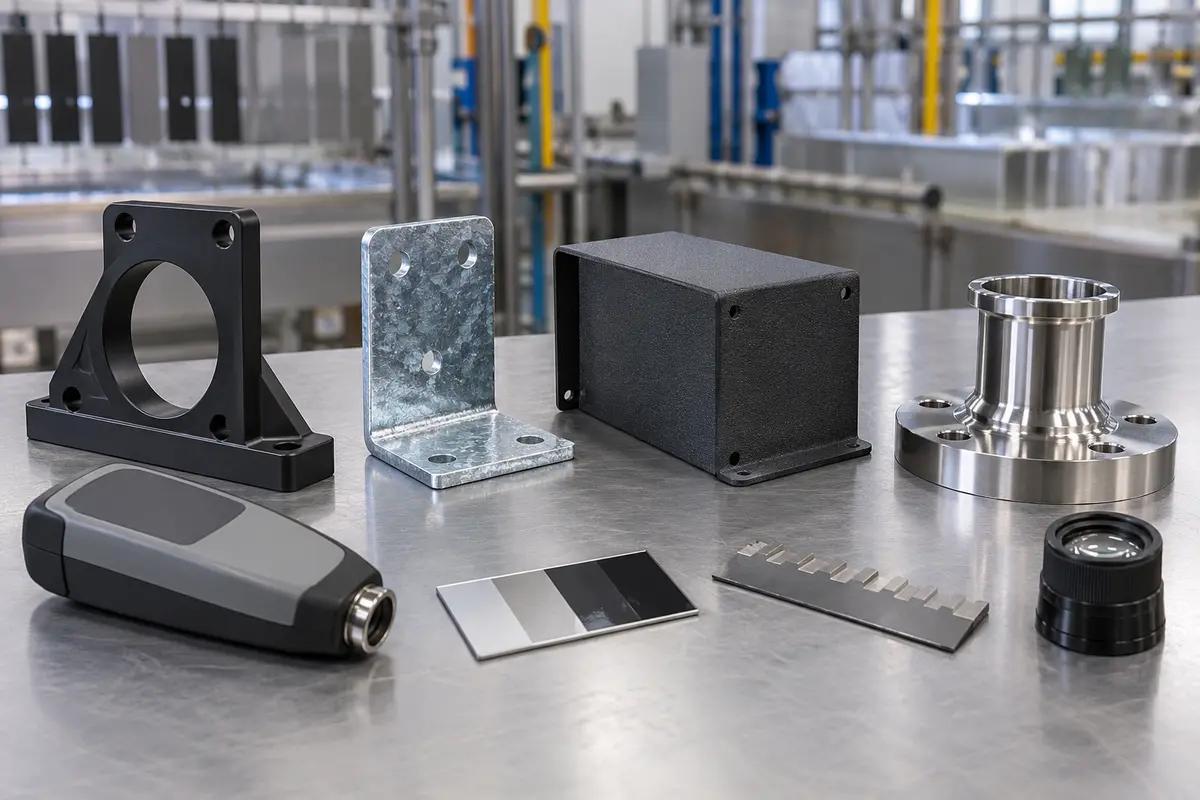
Finished panels, color references and gauges prepared for film and appearance checks.
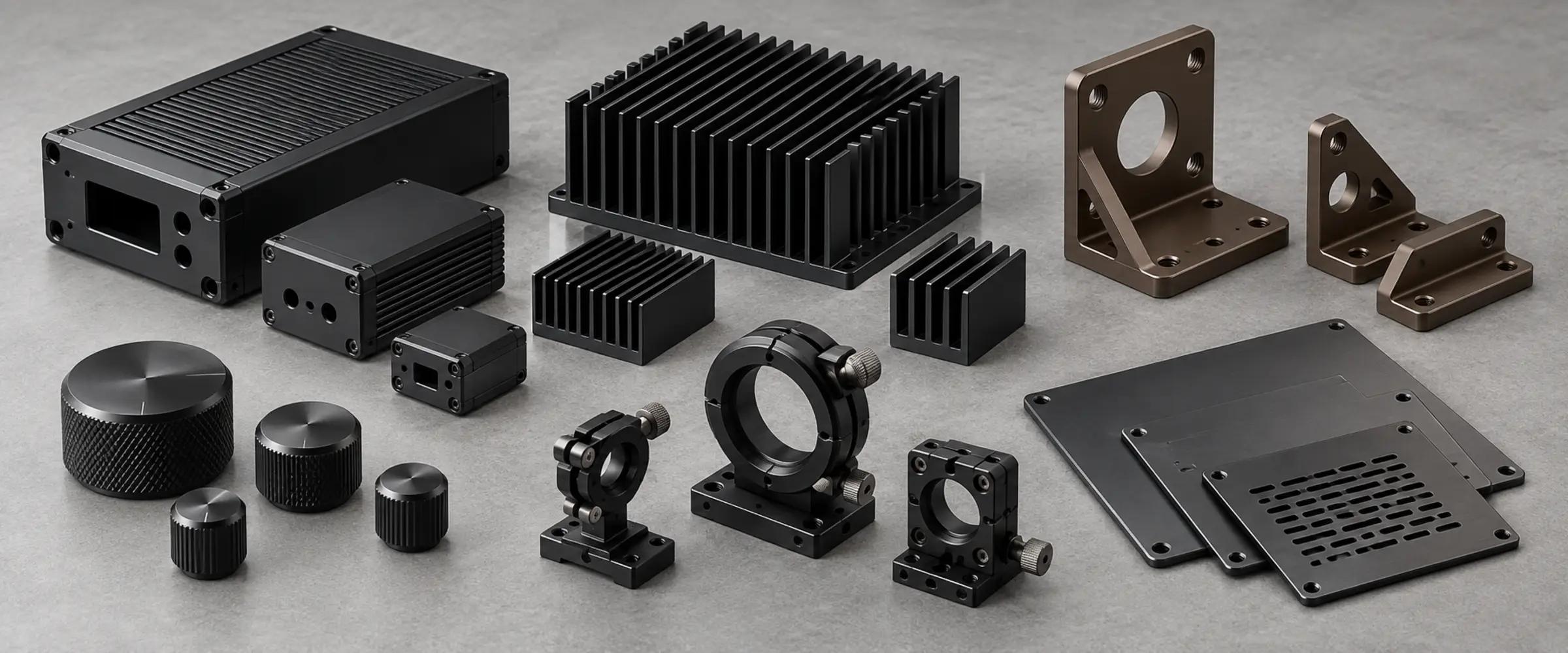
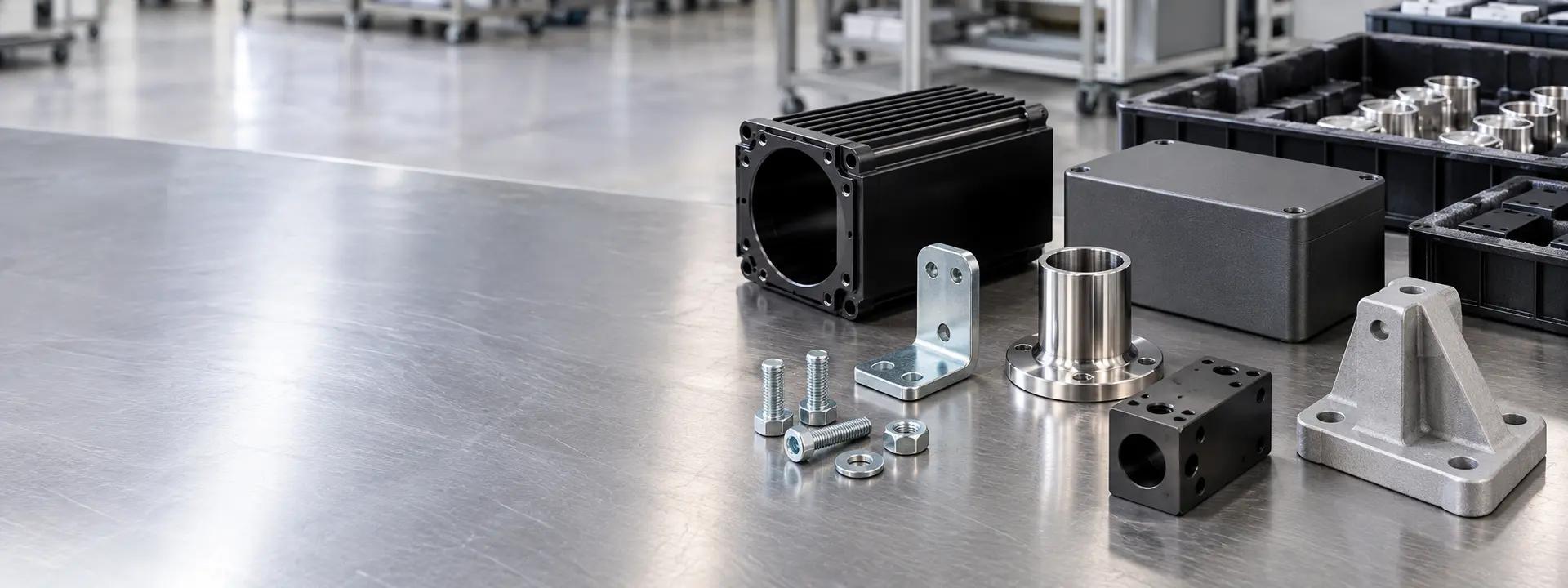
Protective finishes with controlled cosmetic faces and contact areas.
Machined interfaces with specified masking and film requirements.
Visible panels reviewed against approved color and appearance references.
Aluminum profiles with racking and coverage planned around fin geometry.
Precision features with film growth and final fit reviewed.
Drawing-led aluminum finishes with alloy response confirmed per project.
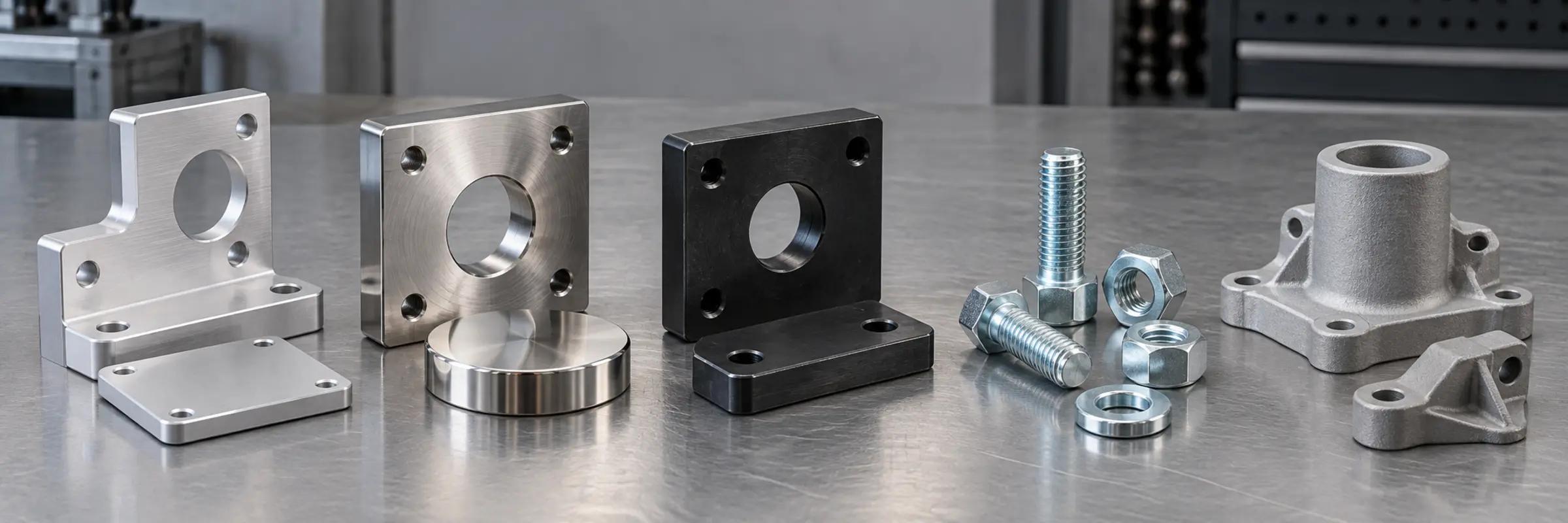
general protective finish
high-strength machined parts
cast housings
long profiles
specified alloy review
Confirm alloy grade, surface condition and visible-face requirements.
Verify preparation steps and protected features against the drawing.
Compare appearance and color with approved references and measure specified film thickness.
Check critical finished dimensions and masked interfaces before release.
01
Confirm alloy response, color, masking and appearance on first articles.
02
Support launch quantities with approved samples and controlled racking.
03
Repeat the finish route with planned color, film and release checks.
01
Review color, film and no-coat areas before the finishing route is released.
02
Assess alloy response and machining marks against the desired appearance.
03
Confirm first-article samples before launch quantities and repeat batches.
04
Align film measurements and cosmetic checks with the approved specification.
05
Agree alloy certificates, color approvals and film records at quotation.
06
Clarify alloy, color, masking and quantity to define the complete finishing scope.
Type II, clear, color and hard anodizing routes can be reviewed for aluminum parts. Specify the alloy, film requirement and applicable standard so a suitable route can be confirmed.
Natural, clear, black and specified color finishes can be evaluated against an approved reference sample. Alloy, starting surface and film thickness affect appearance, so matching criteria are agreed before production.
Threads, bores and electrical contact areas can be reviewed for masking. Mark no-coat zones, contact locations and critical fits on the drawing so the masking and racking plan can be confirmed.
6061, 7075, extruded aluminum and selected cast or project-specific alloys can be reviewed. Alloy chemistry and initial surface condition affect film response and cosmetic uniformity.
Film thickness and color approval records can be included when agreed in the inspection plan. Specify measurement locations, reference samples and acceptance criteria with the RFQ.
Send the drawing or model with alloy, color, film thickness, masking, quantity and cosmetic requirements. Include the applicable finish standard and critical dimensions to support route review.
Send the drawing with alloy, color, film, masking and quantity requirements. We will review the preparation and anodizing route before quoting.
Related surface finishing processes