01
Guide-bushing support
Keep small or slender stock supported close to the cutting zone.
Deflection managed near the tool


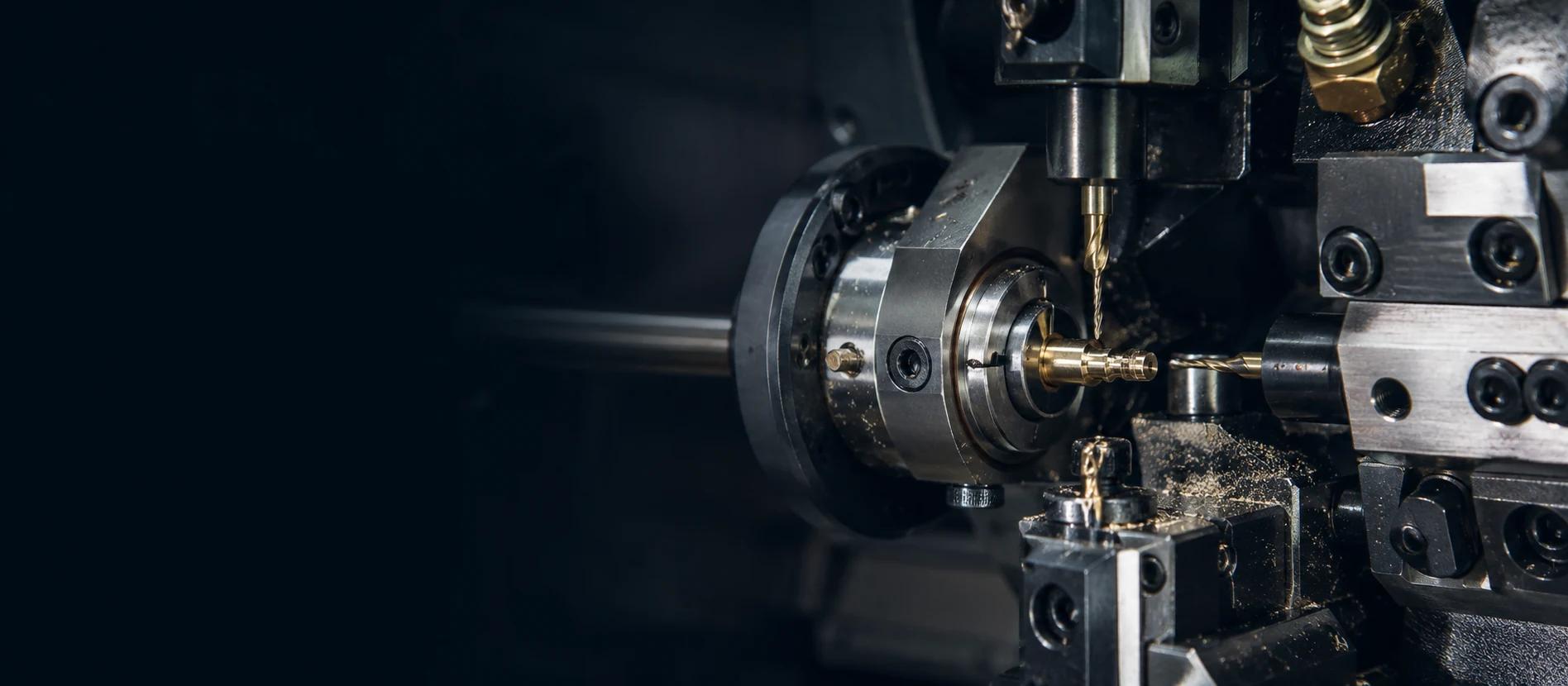
Small, precise turned components with close workpiece support and repeatable process control. JINGLE helps move Swiss-type parts from prototype review into stable production.
Small precision components for automation, instrumentation, medical equipment, mobility and industrial OEM programs.






A quick view of the range, feature types and inspection checkpoints to discuss in an RFQ.
| Parameter | Website copy |
|---|---|
| Machining Type | Swiss-type sliding-headstock turning; available configuration confirmed per project |
| Typical Diameter Range | To be confirmed - reserve bar and tooling range |
| Typical Tolerance | To be confirmed - quote-specific tolerance range |
| Surface Finish | To be confirmed - Ra range by material and process |
| Materials | Stainless steel, aluminum, brass, alloy steel, carbon steel and engineering plastics |
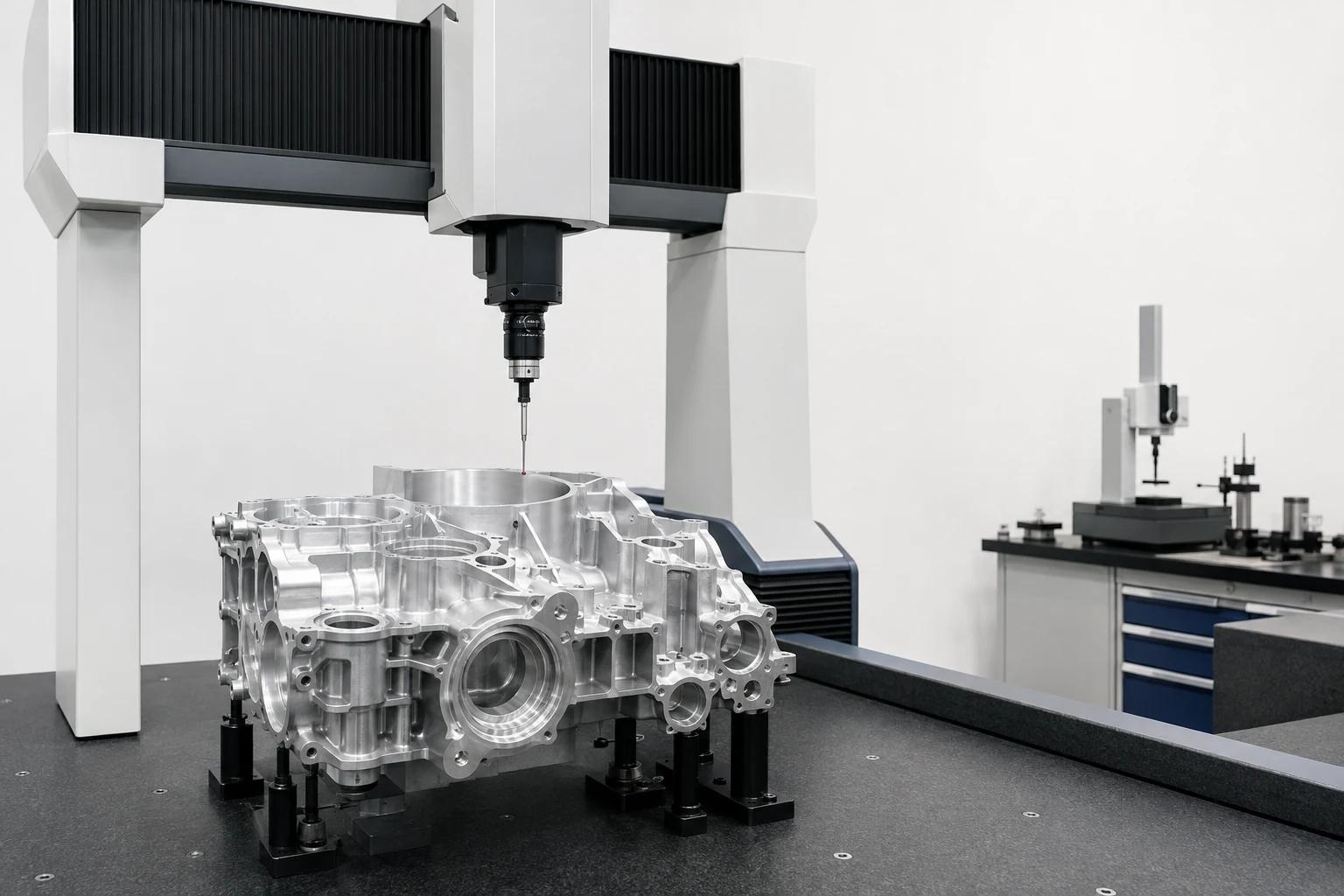
| Inspection | In-process gauging, thread checks, CMM and final inspection |
| Production Volume | Prototype, low-volume and batch production |
| Accepted Drawing Formats | STEP, IGES, Parasolid, SolidWorks, PDF drawing and DXF |
01
Keep small or slender stock supported close to the cutting zone.
Deflection managed near the tool
02
Machine small diameters, grooves, threads and cross features with a focused process plan.
Dense features coordinated
03
Carry approved tooling and gauging logic into the next production batch.
Stable repeat production
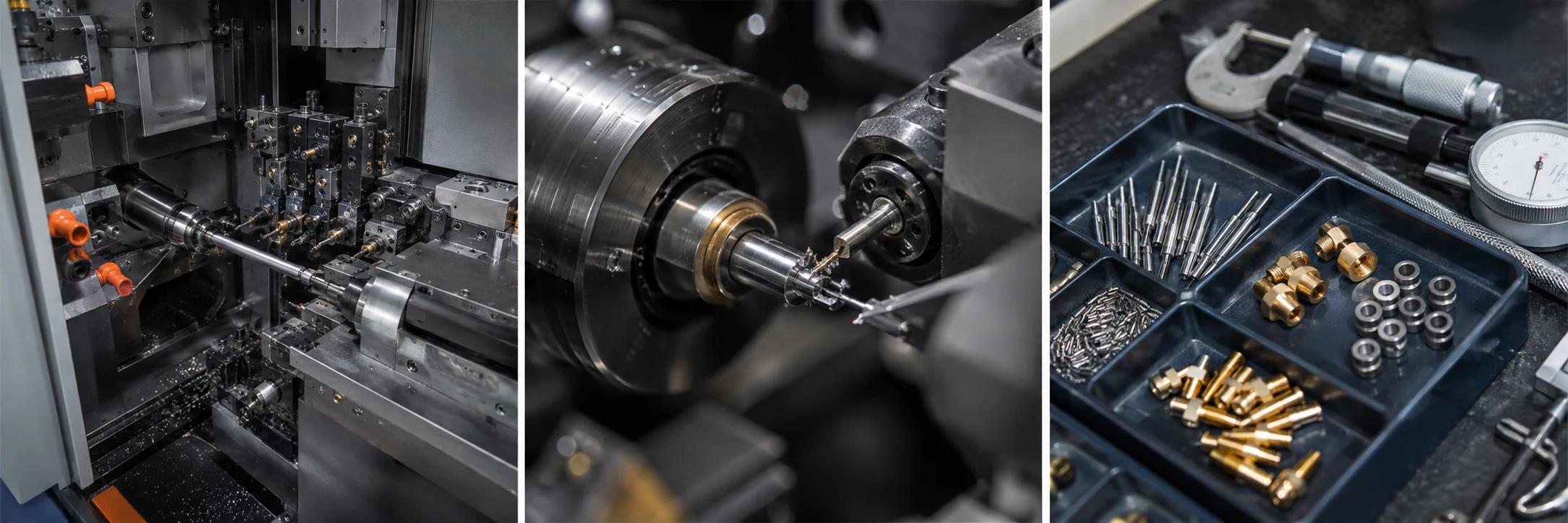
Sliding-headstock machine and bar-feed area prepared for production.
Close workholding and a small precision component at the cutting zone.
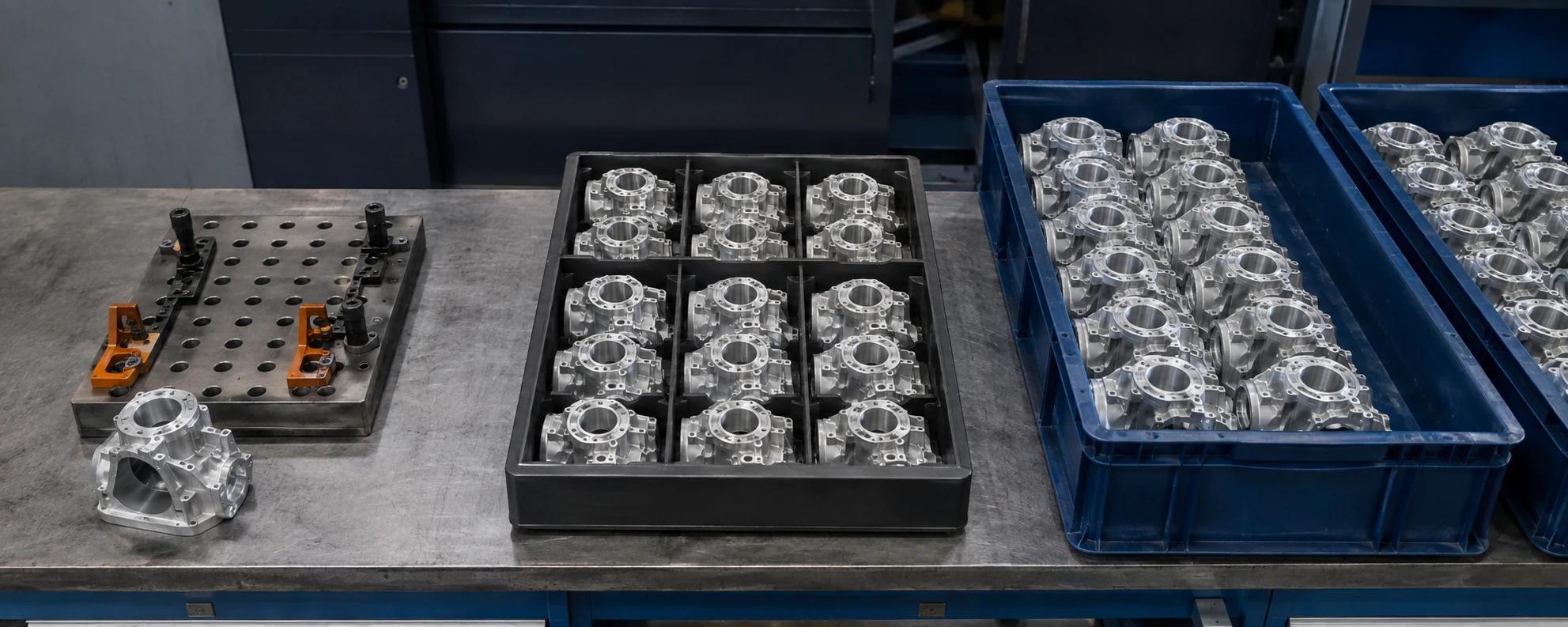
Organized tooling, part flow and measured finished components.
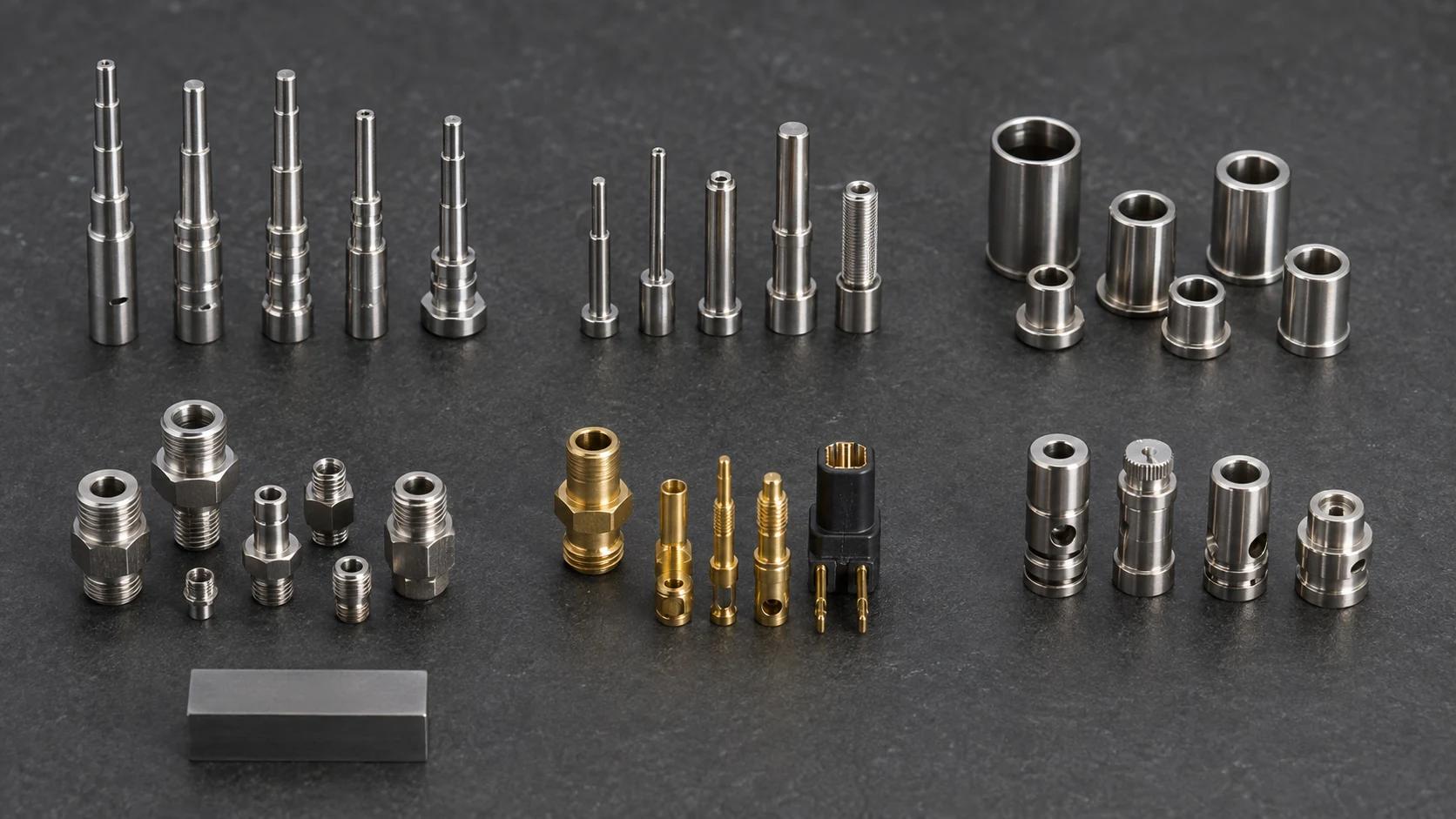
Small rotational shafts with controlled diameters and shoulders.
Slender locating and spacing components for precision assemblies.
Compact bearing and spacing interfaces with controlled bores.
Small fluid and equipment connections with verified threads.
Detailed electrical, sensing and fluid-interface components.
Small feature-dense parts for measurement and control equipment.
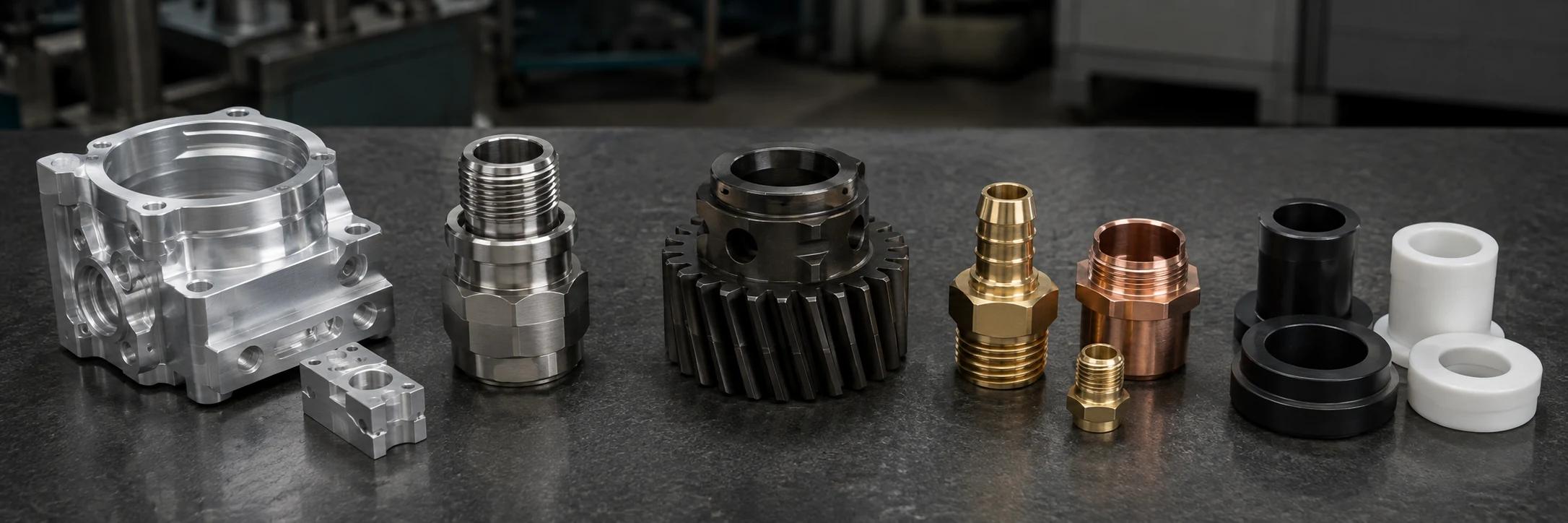
Corrosion-resistant parts
Lightweight components
Electrical and fluid fittings
Wear-resistant shafts
Low-friction bushings
Verify bar material grade, condition and certification before machining.
Gauge small diameters and threads before the next cycle stage.
Measure specified feature relationships and provide traceable results when requested.
Confirm dimensional, visual and documentation requirements before release.
01
Confirm the small-part design, tool access and critical fits.
02
Support launch quantities with documented gauging.
03
Repeat the approved setup for stable replenishment.
01
Confirm slenderness, stock condition, feature access and inspection needs before release.
02
Plan support and tooling around small, slender and feature-dense geometry.
03
Carry essential setup and gauging controls from prototypes into repeat batches.
04
Match gauges and inspection checkpoints to small functional features.
05
Receive the certificates and reports specified in the RFQ.
06
Get a clear response path for size, material, volume and tolerance questions.
Swiss machining is strongest for small-diameter or slender bar-fed parts. Send the drawing so we can confirm the exact practical range.
Yes, when bar condition, guide-bushing support and the length-to-diameter ratio suit the process. Send the drawing for confirmation.
Yes, when machine configuration, tool access and the feature dimensions support the required process.
We review stainless steel, aluminum, brass and copper, alloy and carbon steel, and engineering plastics.
Yes. We support prototypes and low-volume work as well as repeat production, subject to setup and project review.
Yes. Request the required CMM report, FAI, material certificate, CoC or PPAP documentation in the RFQ.
Send the model or drawing with diameter, length, material, quantity and critical feature requirements. We will review the best Swiss machining path.
Related machining processes