01
Material and reduction review
Match slug, lubrication and reduction sequence to the material and geometry.
Material reductions reviewed


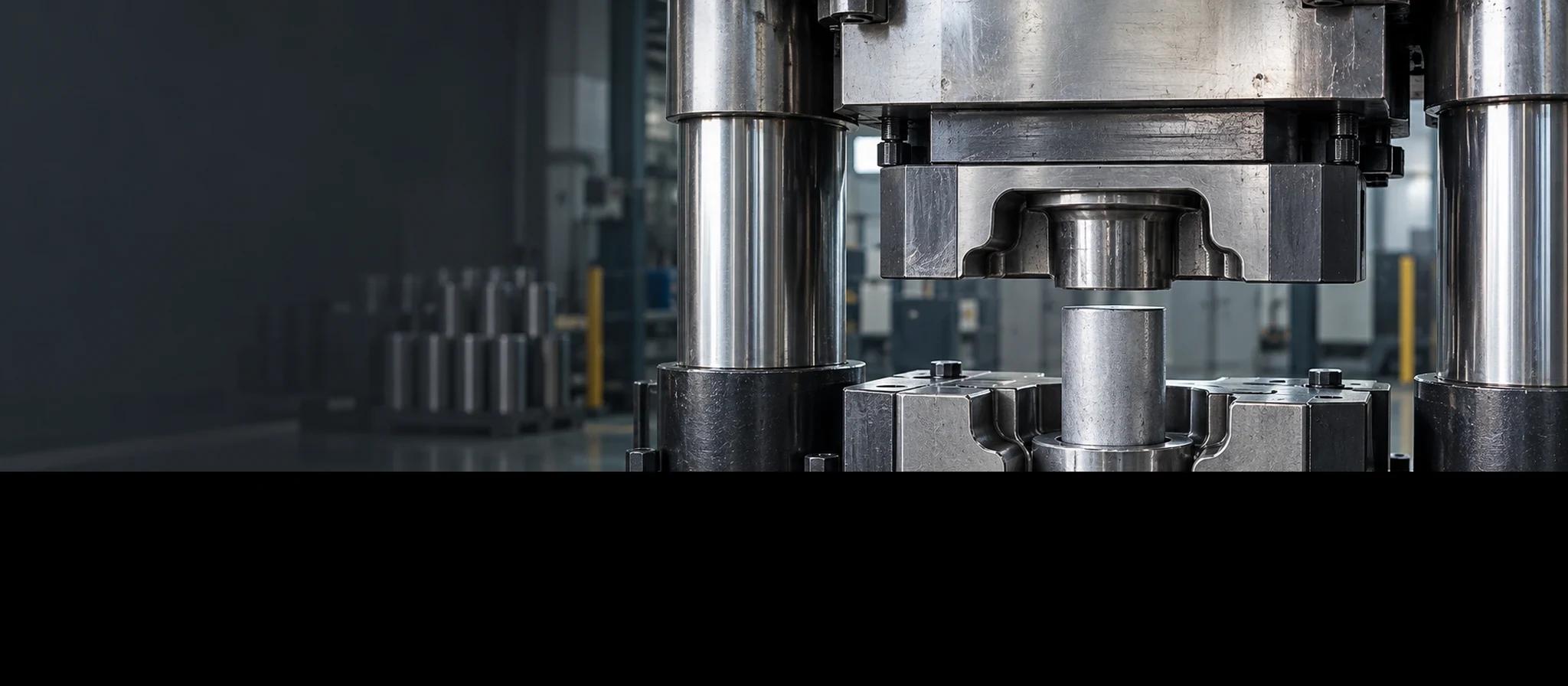
Near-net-shape cold-forged components for fasteners, pins, shafts and precision hardware. JINGLE reviews material condition, die sequence, tooling life and secondary operations before production.
Cold-formed components for automotive, industrial equipment, automation, hardware and custom OEM programs.






A quick view of the information buyers need before sending a cold forging RFQ. Final values are confirmed against material, reduction ratio, die sequence and production volume.
| Parameter | Capability details |
|---|---|
| Forging Process | Cold heading, upset forging, extrusion or project-specific cold forming |
| Part Envelope | To be confirmed - reserve press, header and die envelope |
| Typical Tolerance | To be confirmed - quote-specific formed and machined range |
| Material Diameter | To be confirmed - wire, bar and slug range by alloy |
| Materials | Carbon steel, alloy steel, stainless steel, aluminum, copper and brass |
| Secondary Operations | Thread rolling, trimming, drilling, machining, heat treatment and plating |
| Production Volume | Prototype tooling, low-volume and batch production |
| Accepted Drawing Formats | STEP, IGES, Parasolid, SolidWorks, PDF drawing and DXF |
01
Match slug, lubrication and reduction sequence to the material and geometry.
Material reductions reviewed
02
Separate upsetting, extrusion and piercing steps for stable tooling and part flow.
Forming stages coordinated
03
Coordinate trimming, rolling, heat treatment and machining around the finished requirement.
Secondary operations planned
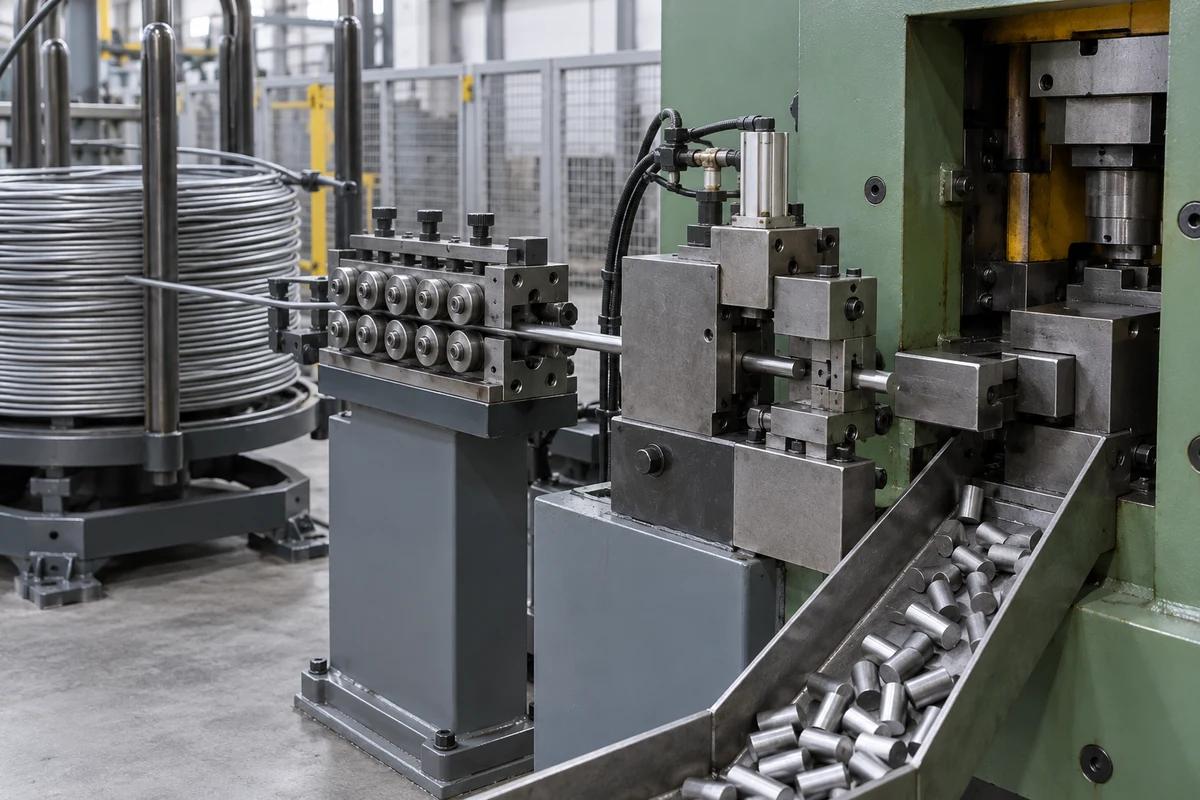
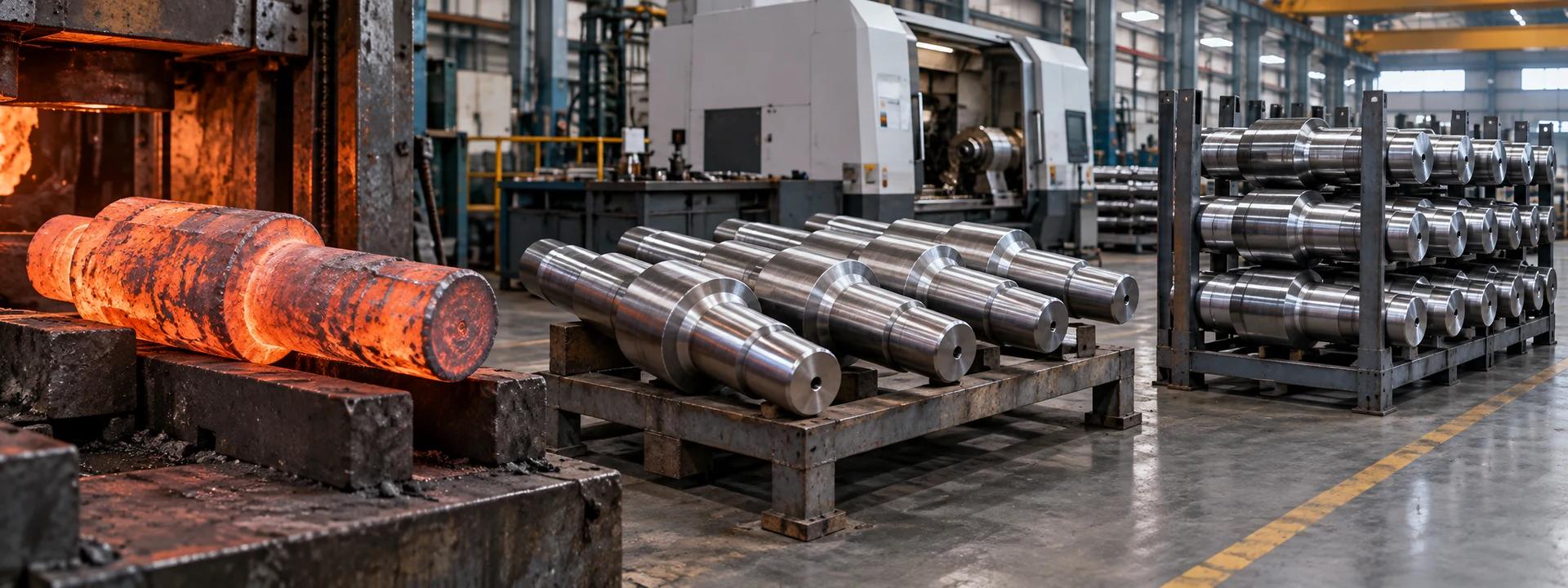
Cold heading and forming equipment with tooling and wire feed systems.
Protected die stations forming near-net-shape metal components.
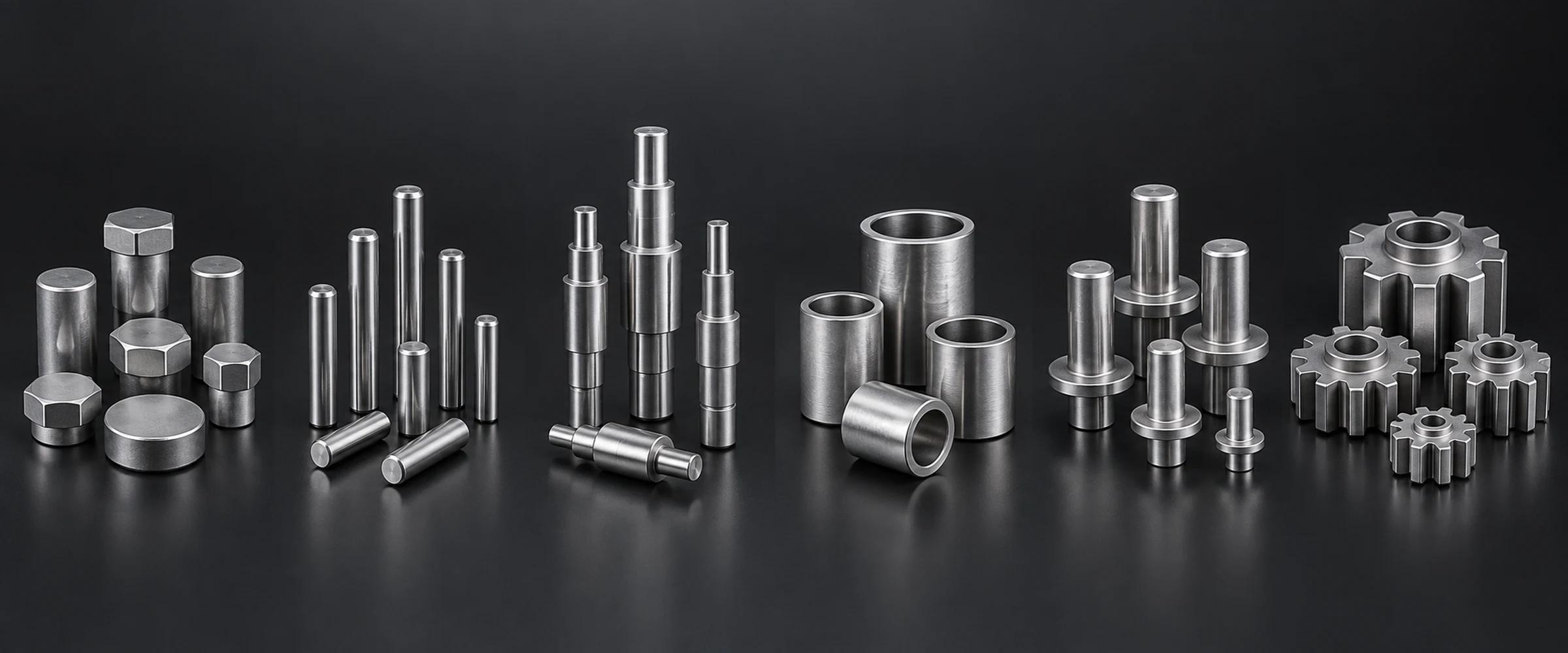
Formed parts organized for thread rolling, secondary operations and gauging.
Formed fastener blanks prepared for threading and finishing.
Upset and extruded features with controlled shank geometry.
Stepped shaft profiles with specified fits and secondary machining.
Formed cylindrical components with defined bore and outside features.
Repeat-production hardware reviewed for material and assembly requirements.
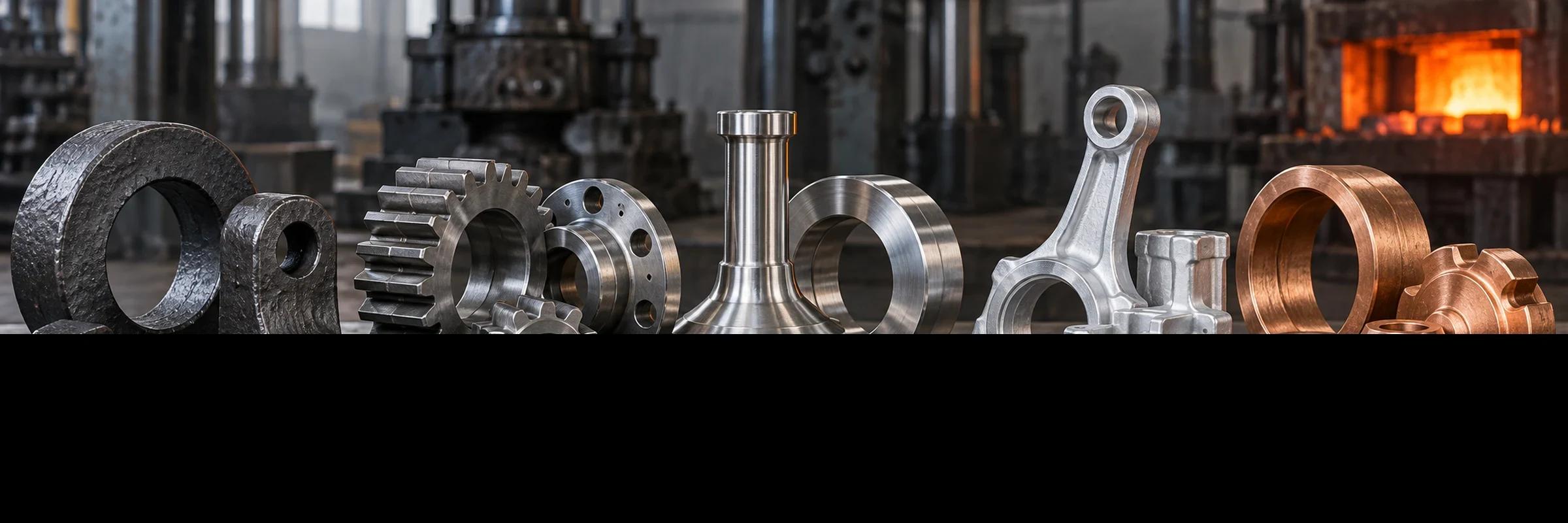
Custom profiles developed around reduction sequence and tooling feasibility.
load-bearing fasteners
wear-resistant pins
corrosion-resistant hardware
lightweight formed parts
conductive fittings
Review starting stock, material condition and required traceability records.
Check first-off formed features and die setup before the production run.
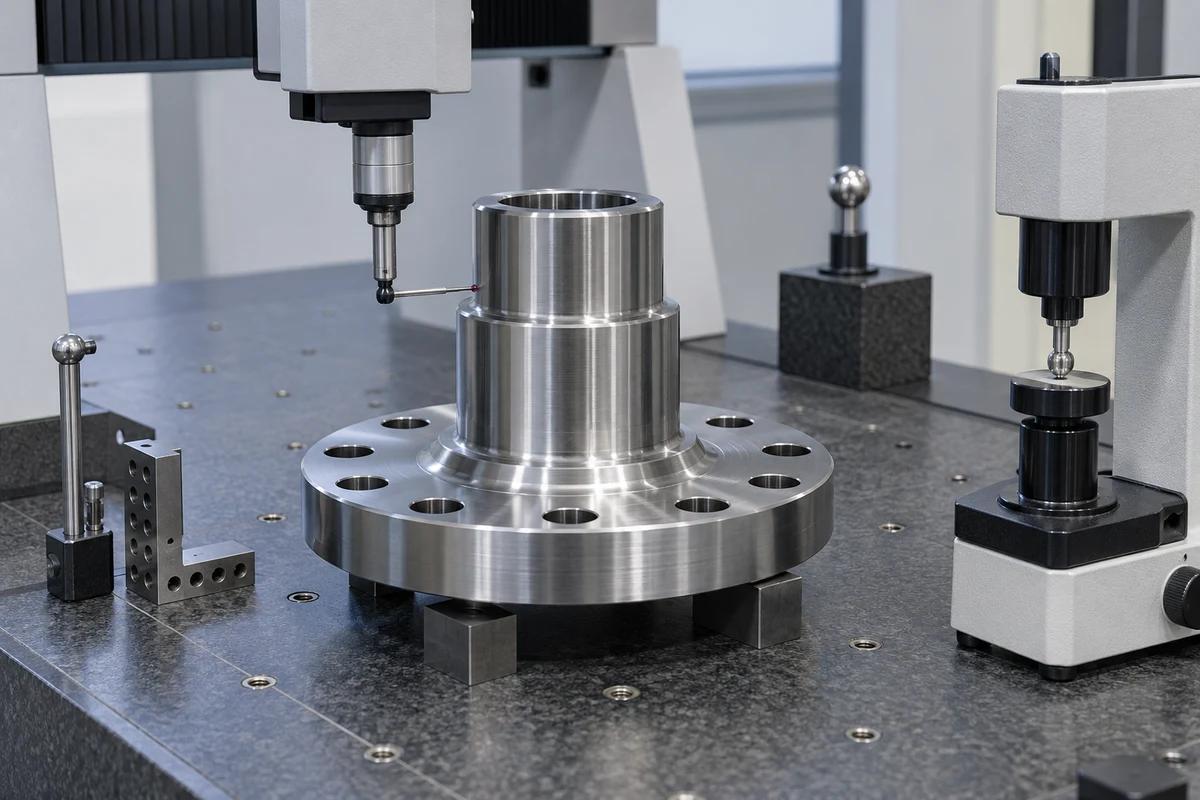
Verify specified threads, formed geometry and hardness after the relevant operations.
Confirm finished dimensions and agreed release documentation.
01
Validate die sequence, material flow and critical fits before production tooling.
02
Support launch quantities with bridge tooling and documented checks.
03
Repeat the approved tooling and process for stable output.
01
Assess material condition, reductions and critical geometry before tooling design.
02
Plan upsetting and extrusion stages around material use and tooling requirements.
03
Review prototype or bridge tooling before release of recurring production.
04
Check threads, formed features and specified hardness at the appropriate stages.
05
Confirm material records and process checkpoints with the RFQ.
06
Review the drawing, starting diameter, quantity and downstream requirements before quoting.
Fasteners, pins, small shafts, bushings and similar near-net-shape hardware are candidates for cold forging. Material formability, reduction sequence, geometry and production volume determine suitability.
Carbon steel, alloy steel, stainless steel, aluminum, copper and brass can be reviewed. Wire, bar or slug diameter limits are confirmed against the grade, part geometry and tooling route.
Prototype or bridge tooling can be evaluated to check material flow, critical fits and the forming sequence. Share the drawing and quantity so the validation route can be agreed before production tooling.
Thread rolling, trimming, drilling, machining, heat treatment and plating can be coordinated after forming. Include finished features and surface requirements so the complete process sequence can be reviewed.
Hardness and first-article reports can be supplied when agreed in the project scope. Specify the required features, acceptance criteria and reporting format with the RFQ.
Send the drawing or model, material grade, wire or bar size, quantity and critical features. Include secondary operations, treatment, finish and inspection requirements for a complete route review.
Send the model or drawing with material, starting diameter, quantity and downstream requirements. We will review the forming route and tooling path before quoting.

Related forging processes