

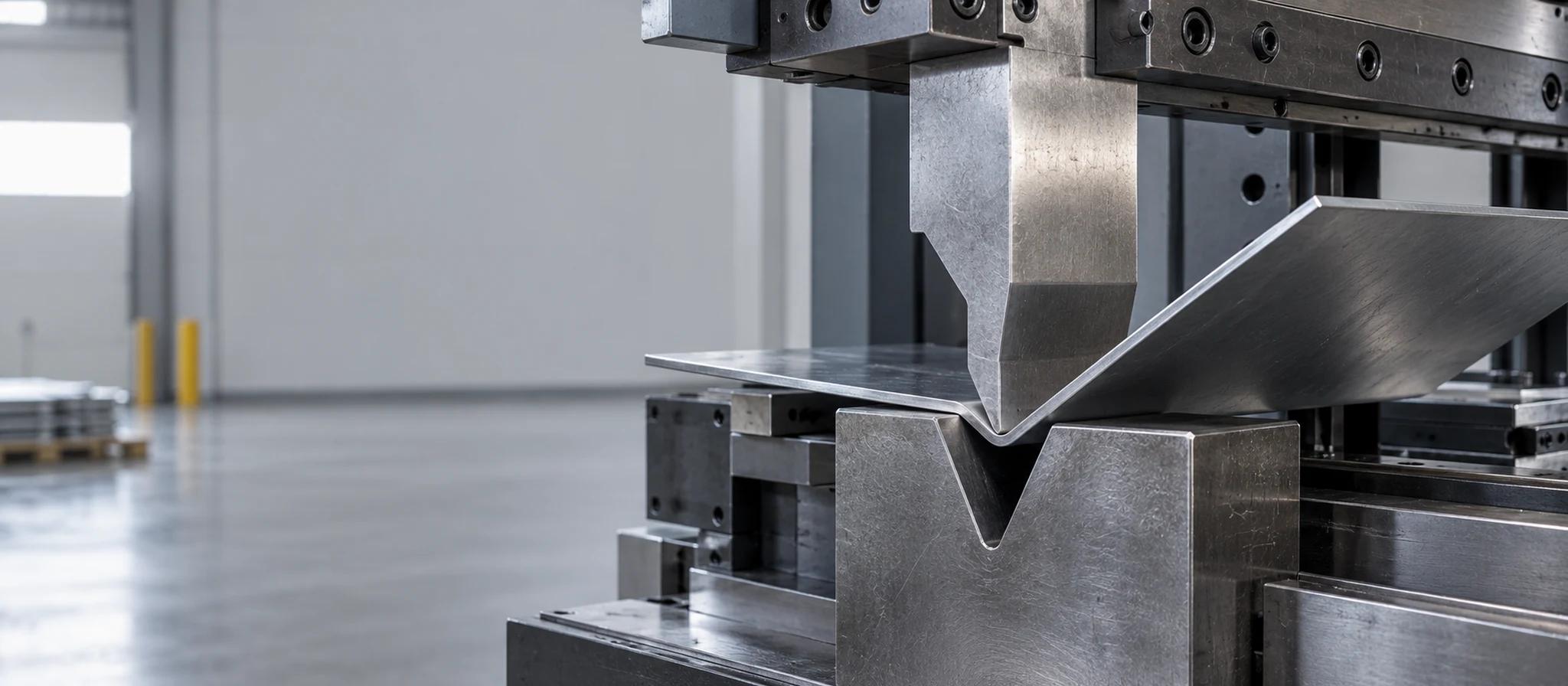
Metal Bending Services
Precision press brake bending for brackets, channels, panels and formed sheet metal assemblies. JINGLE reviews bend sequence, tooling access and springback control before production.
- Press Brake Forming
- Controlled Angles & Bend Sequence
- Prototype to Batch Repeatability
Trusted by Customers Across Industries
Formed sheet metal parts for industrial equipment, automation, electronics, mobility and custom OEM programs.






Metal Bending Capabilities
A quick view of the information buyers need before sending a bending RFQ. Final values are confirmed against material, thickness, bend radius, angle and tooling requirements.
| Parameter | Capability details |
|---|---|
| Forming Process | CNC press brake bending; tooling and sequence confirmed per project |
| Max. Bend Length | To be confirmed - reserve press brake and handling envelope |
| Typical Angle Tolerance | To be confirmed - quote-specific angle and position range |
| Material Thickness | To be confirmed - thickness range by material and tooling |
| Materials | Mild steel, stainless steel, aluminum, galvanized steel, copper and brass |
| Bend Radius | To be confirmed - inside radius by material, thickness and tooling |
| Production Volume | Prototype, low-volume and batch production |
| Accepted Drawing Formats | STEP, IGES, Parasolid, SolidWorks, PDF drawing and DXF |
Plan the Bend. Control the Angle. Protect the Finish.
01
Sequence review
Plan bend order around collisions, flange access and final assembly orientation.
Bend access planned
02
Springback control
Match tooling, material condition and process settings to the required angle.
Angles controlled
03
Surface protection
Use suitable tooling and handling to reduce marks on visible or finished faces.
Visible surfaces protected
See the Work Behind the Capability
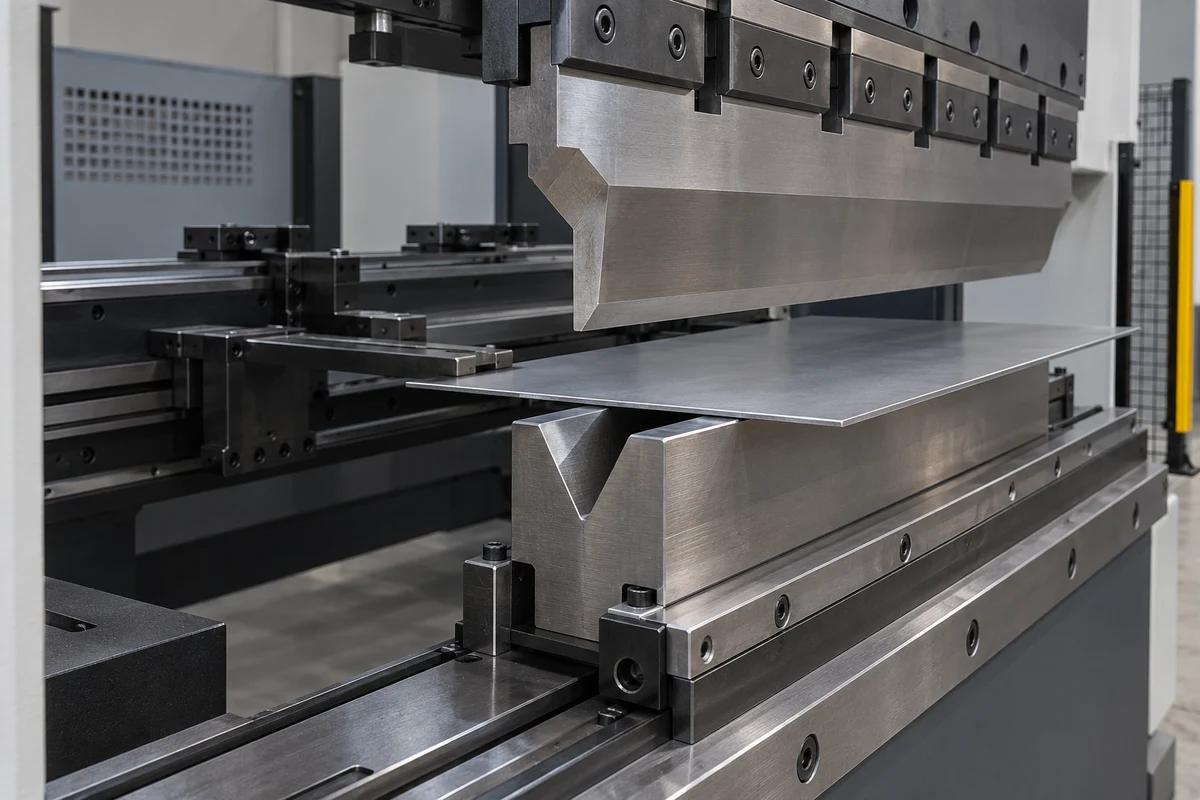
Real press brake equipment
Press brake equipment, punch and die tooling, and supported sheet setups.
Actual bending in process
Flange forming with controlled tooling contact and bend sequence.
Real formed-part environment
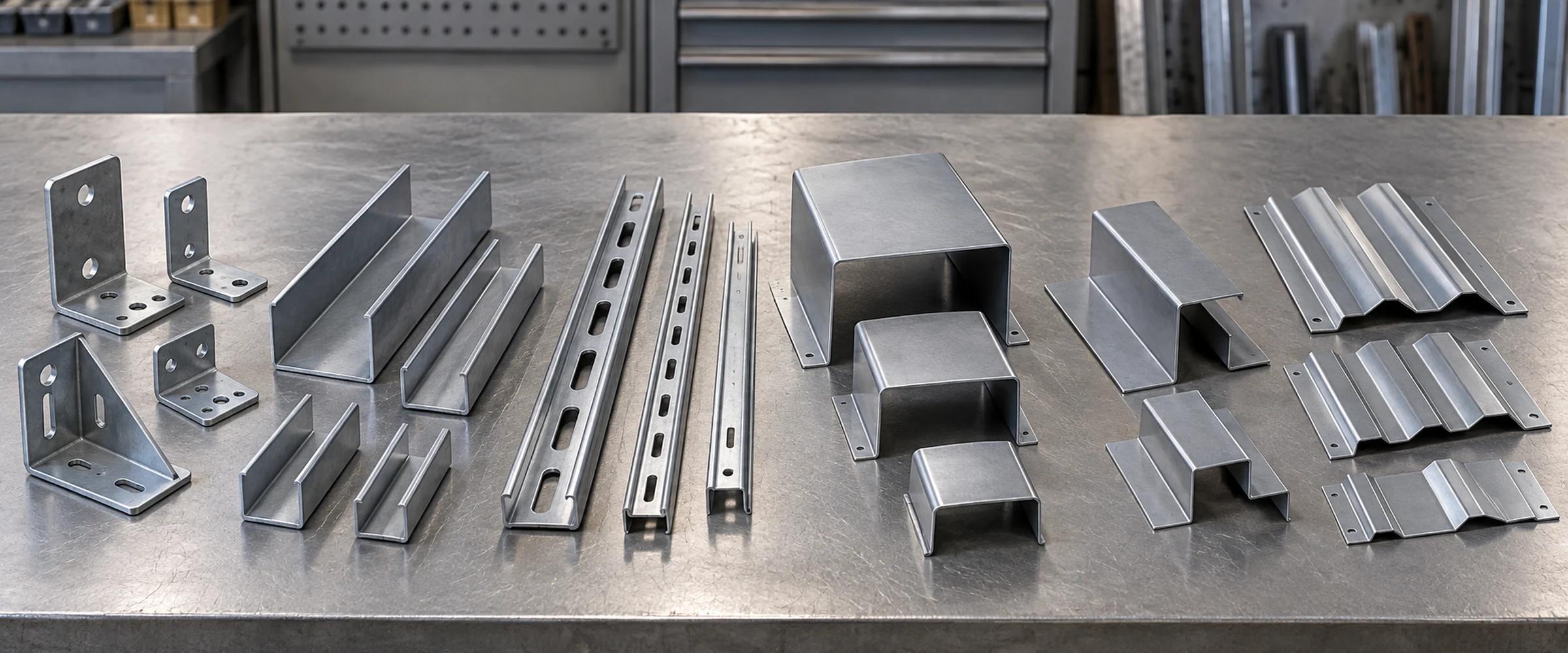
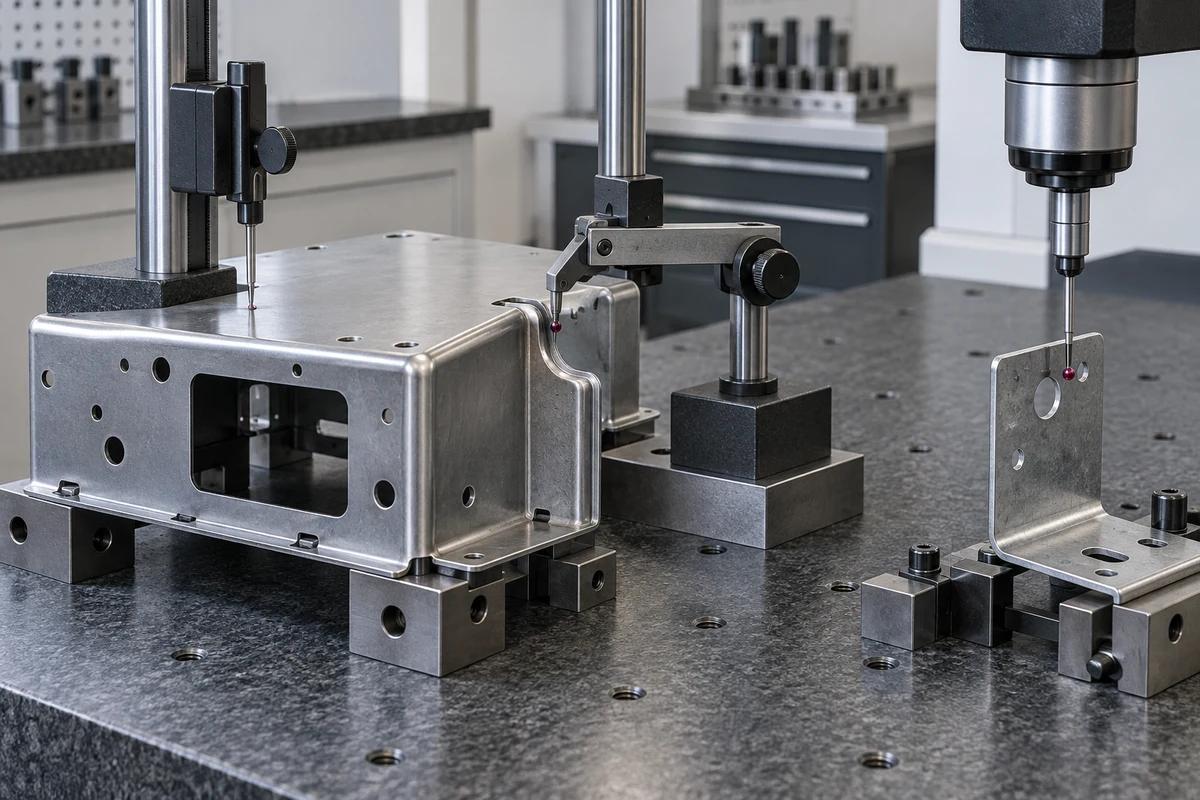
Formed brackets, channels and panels prepared for angle and dimensional checks.
Parts We Commonly Bend
Mounting Brackets
Formed supports with controlled angles and mounting faces.
U-Channels & Rails
Channel sections with specified flange and web dimensions.
Electrical Panels
Formed panels with openings and bend positions coordinated.
Equipment Covers
Protective covers with planned finish and assembly clearance.
Chassis Components
Bent structural details with repeatable interface locations.
Custom Formed Profiles
Custom formed geometry reviewed for tooling access and bend order.
Materials We Bend
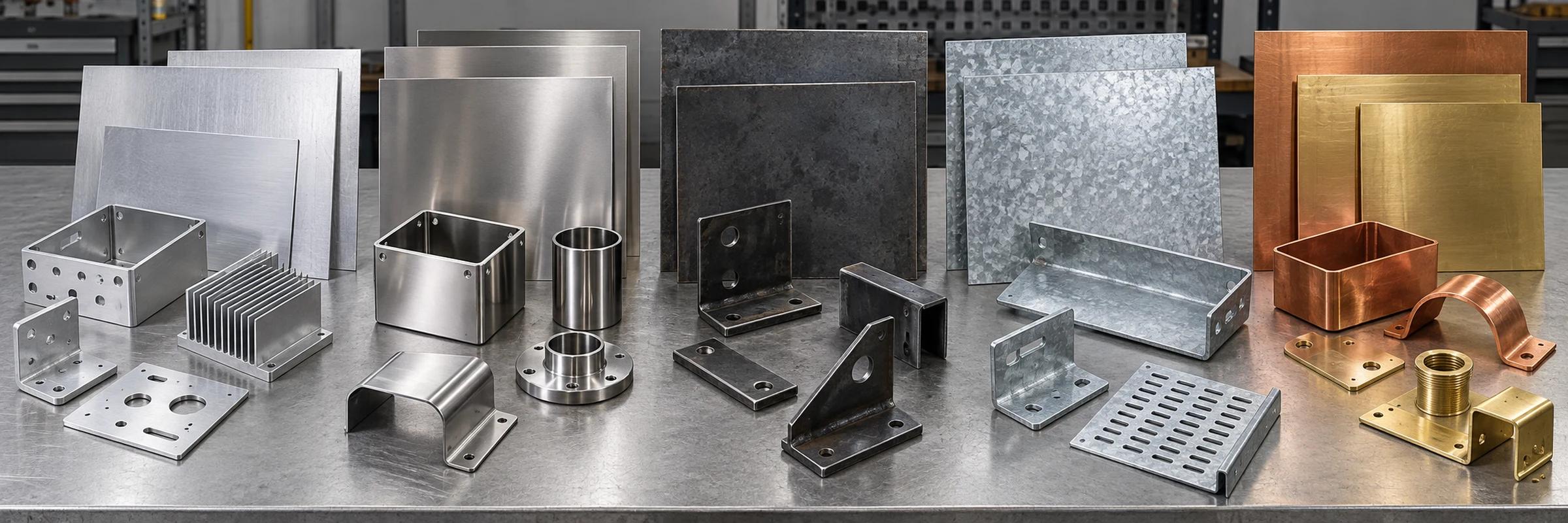
Mild Steel
rigid support brackets
Stainless Steel
corrosion-resistant panels
Aluminum
lightweight structures
Galvanized Steel
protected housings
Copper & Brass
conductive formed parts
Quality Evidence at Every Handoff
- 01
Incoming Material & Thickness Review
Check material grade, condition, thickness and required records before forming.
- 02
First-Off Angle and Flange Checks
Verify first-off angles and flange lengths before continuing the run.
- 03
Bend Position and Surface Inspection
Inspect bend locations and visible faces for dimensional and surface acceptance.
- 04
Final Dimensional Inspection
Confirm finished dimensions and assembly interfaces against the drawing.
Documents available
- CMM Report
- FAI
- Material Certificate
- Bend Inspection Record
- CoC
- PPAP Upon Request
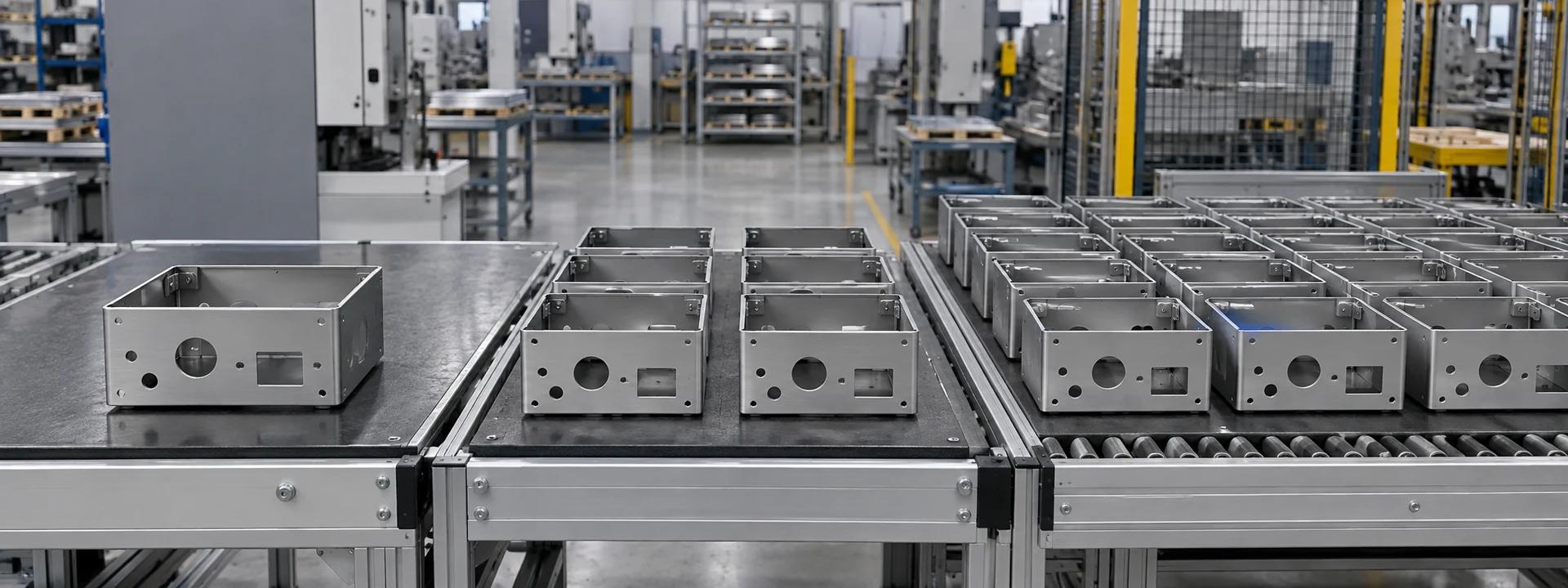
Prototype to Production
01
Prototype Bending
Confirm tooling, bend order, springback and assembly fit on the first article.
02
Low-Volume Production
Support launch quantities with documented setups and inspection checkpoints.
03
Batch Production
Repeat the approved forming sequence with stable angle and position control.
Engineering Support You Can Use
01
Bend Sequence Review Before Production
Review bend order, flange access and collision risks before tooling setup.
02
Springback and Tooling Strategy
Match tooling and material condition to the required radius and angle.
03
Flexible Prototype & Batch Production
Validate first-off bends before launch quantities and repeat production.
04
Controlled Angle and Surface Inspection
Check bend position, angle and surface condition against agreed requirements.
05
Material & Quality Documentation
Confirm material certificates and bend inspection records with the RFQ.
06
Responsive RFQ Support
Review thickness, radii, angles and quantities before confirming the forming route.
Metal Bending FAQ
What materials and thicknesses can you bend?
Mild steel, stainless steel, aluminum, galvanized steel, copper and brass can be reviewed for bending. The material, thickness, radius, bend length and tooling determine the practical forming range.
How do you control bend angles and springback?
Tooling, bend sequence and process settings are reviewed against the material condition and specified angle. First-off angle and flange checks guide setup confirmation before repeat production.
Can you form prototypes and low-volume orders?
Prototype, low-volume and batch forming can be evaluated for the required geometry. Share the drawing, material, thickness and quantity to confirm tooling and inspection needs.
Can you protect cosmetic or finished surfaces?
Suitable tooling contact and handling can be planned to reduce marks on cosmetic or finished faces. Identify visible surfaces, coatings and acceptance criteria before the forming route is agreed.
Can you inspect bend position and flange dimensions?
Bend position, angles and flange dimensions can be checked against the approved drawing. Specify datums, tolerances and reporting requirements so the measurement method can be agreed.
What files are needed to quote a bent sheet metal part?
Send the 3D model, drawing or flat pattern with material, thickness, bend radius, angle and quantity. Include critical dimensions, surface requirements and inspection expectations.
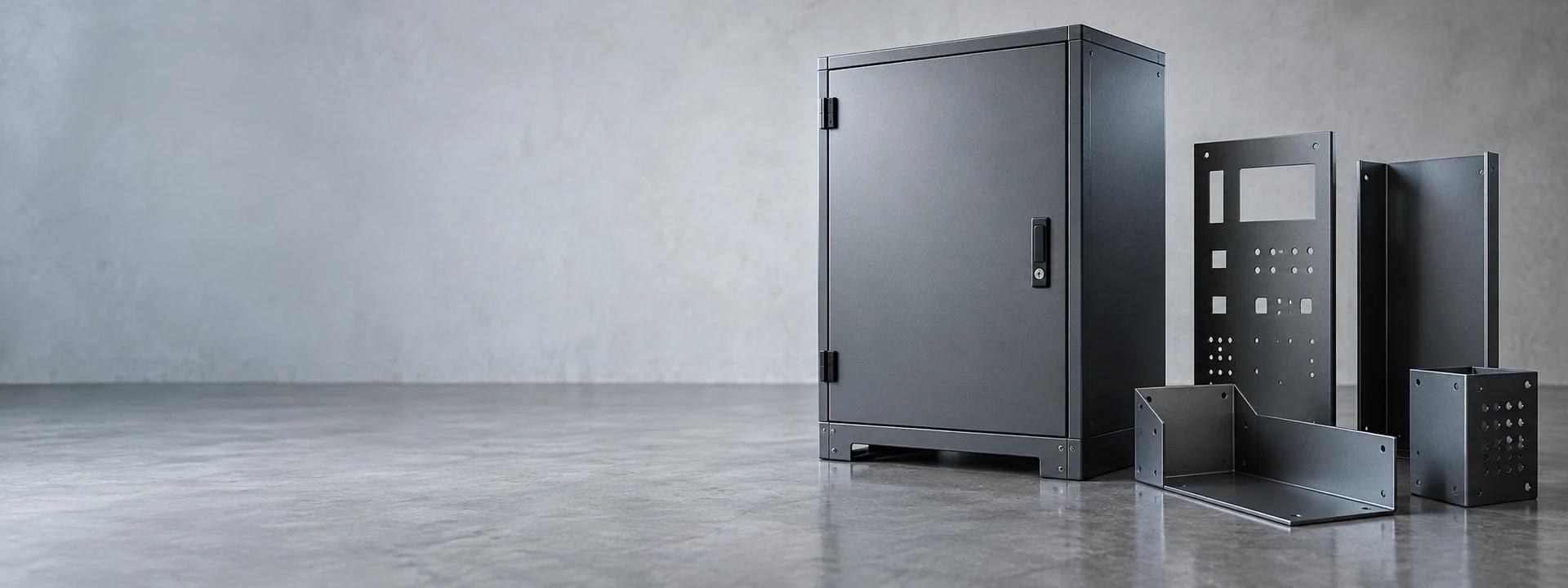
Have a Formed Sheet Metal Part to Make?
Send the drawing or flat pattern with material, thickness, bend details and quantity. We will review the tooling route and return a clear quote path.
- 3D Model
- Flat Pattern or Drawing
- Material Grade
- Thickness
- Bend Details
- Quantity
- Inspection Requirements
Related fabrication processes