01
Prototype planning
Confirm process route, material, critical features and inspection needs before release.
First-article route defined


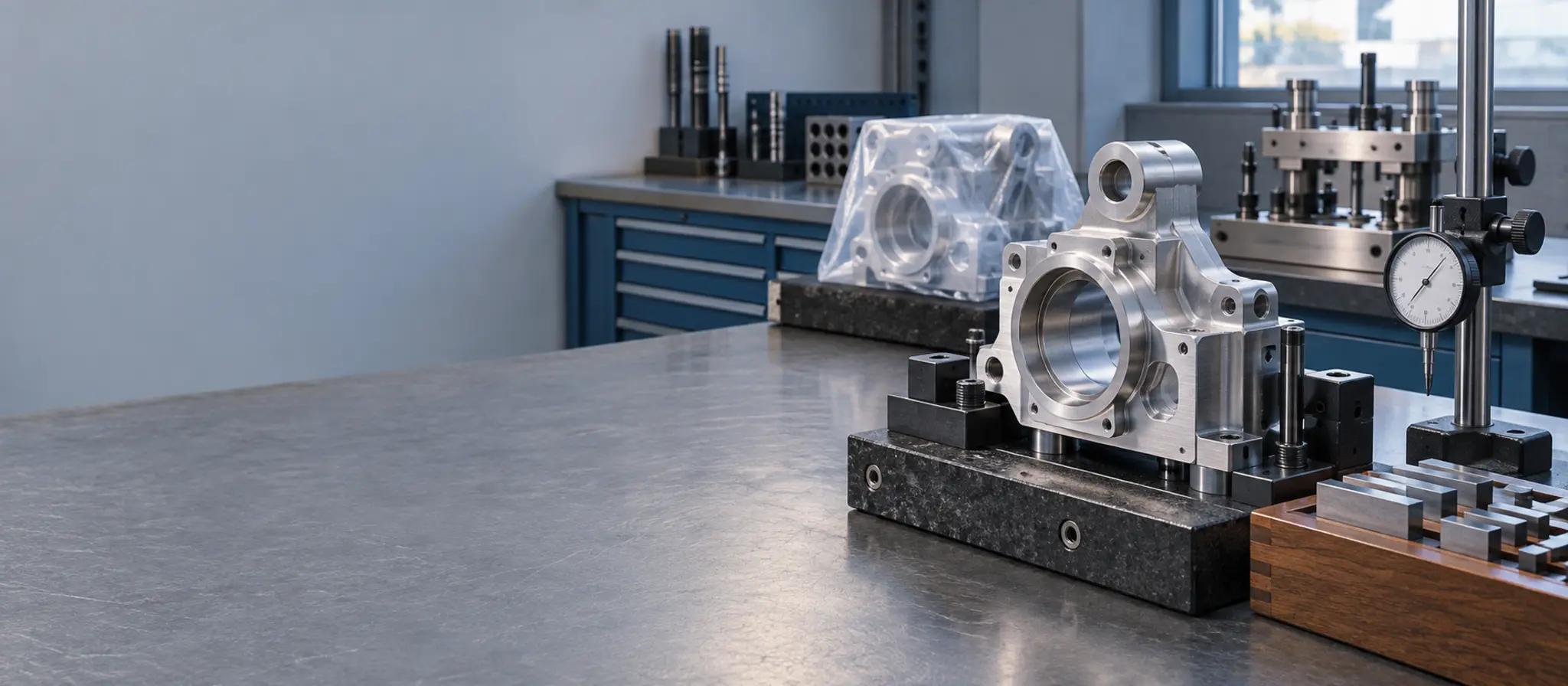
Move from concept to a production-ready first article with coordinated machining, casting, forging, fabrication, finishing and inspection support.
Prototype support for industrial equipment, automation, electronics, mobility and custom OEM programs.






A quick view of the information buyers need before sending a prototype development RFQ. Final scope is confirmed against maturity, process, quantity, finish and inspection requirements.
| Parameter | Capability details |
|---|---|
| Prototype Route | CNC machining, casting, forging, sheet metal, finishing and assembly options |
| Prototype Quantity | To be confirmed - single first article or small validation run |
| Iteration Scope | To be confirmed - geometry, material, finish and fit changes by project |
| Typical Tolerance | To be confirmed - quote-specific prototype tolerance range |
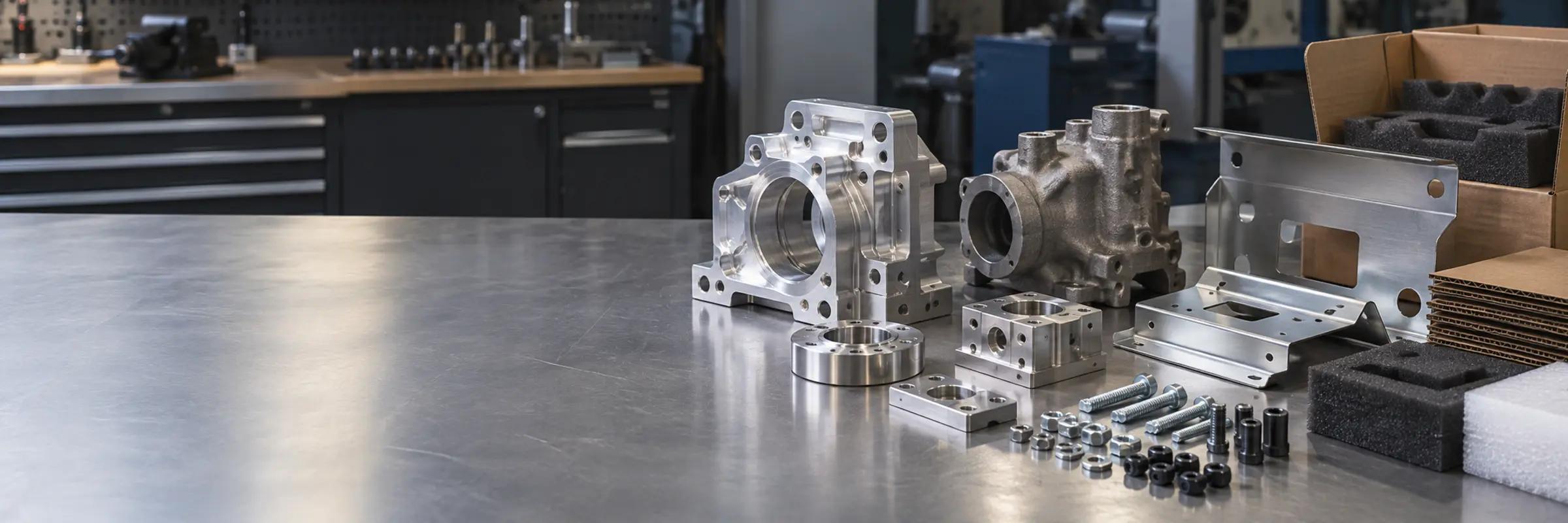
| Materials | Aluminum, steel, stainless steel, cast alloys, forged alloys, copper, brass and engineering plastics |
| Inspection | Dimensional, CMM, material, finish and first-article inspection as required |
| Production Handoff | Low-volume and batch path reviewed after prototype approval |
| Accepted Drawing Formats | STEP, IGES, Parasolid, SolidWorks, PDF drawing and DXF |
01
Confirm process route, material, critical features and inspection needs before release.
First-article route defined
02
Use first-article findings to refine geometry, tooling, finish and assembly fit.
Design feedback captured
03
Carry approved changes and documentation into low-volume or batch production.
Approved revisions ready for handoff
Machining, fabrication and forming equipment supports the selected first-article route.
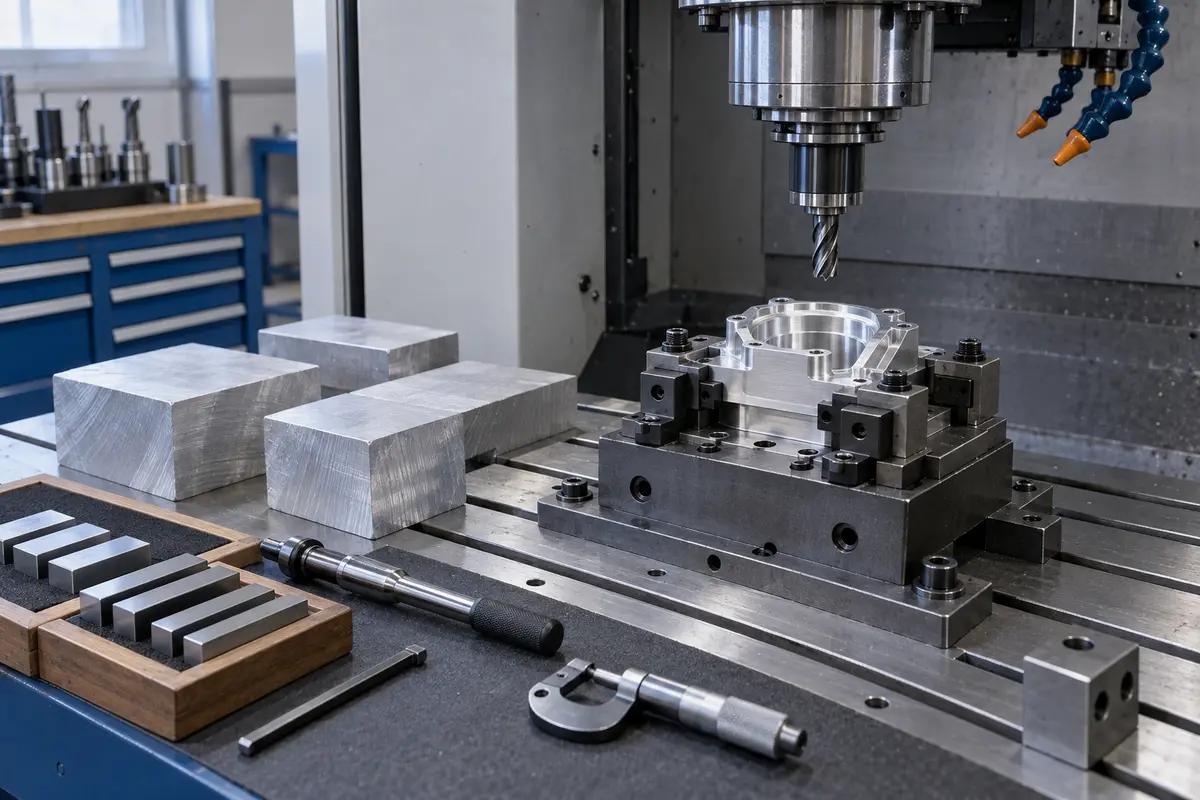
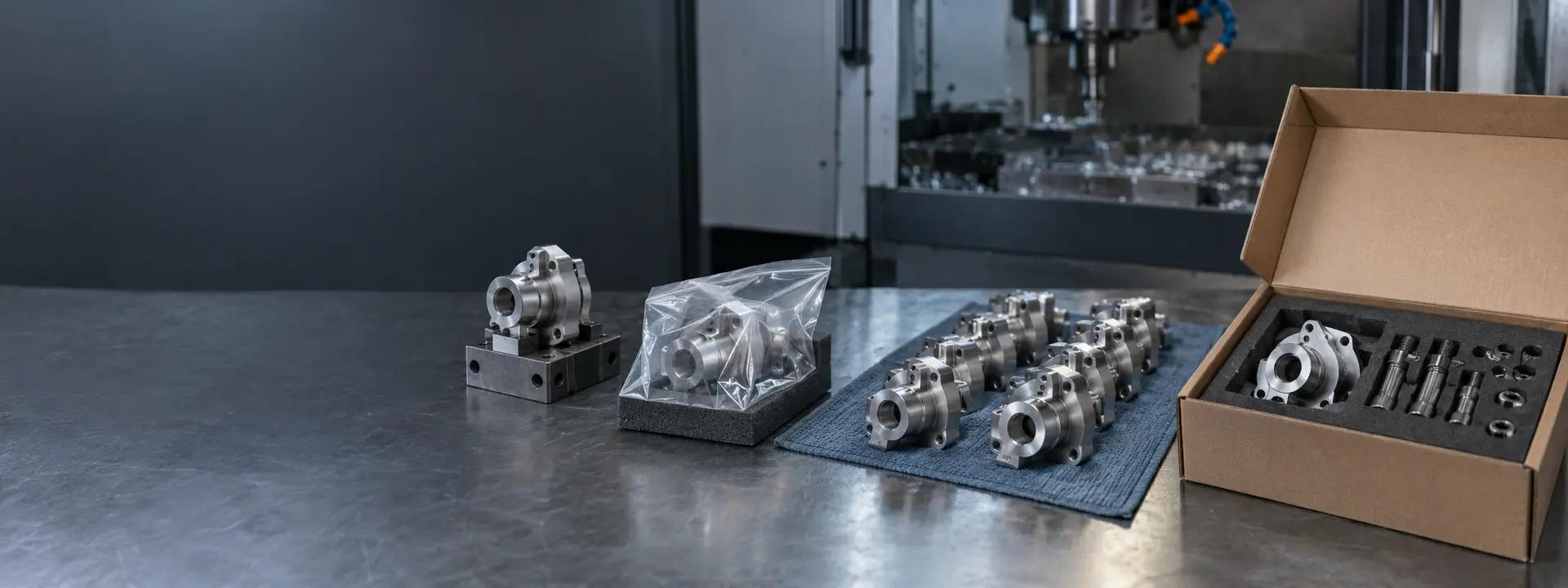
Prototype parts, fixtures and inspection setups connect the initial build with design feedback.
Approved samples, revision-controlled drawings and production fixtures support the next build stage.
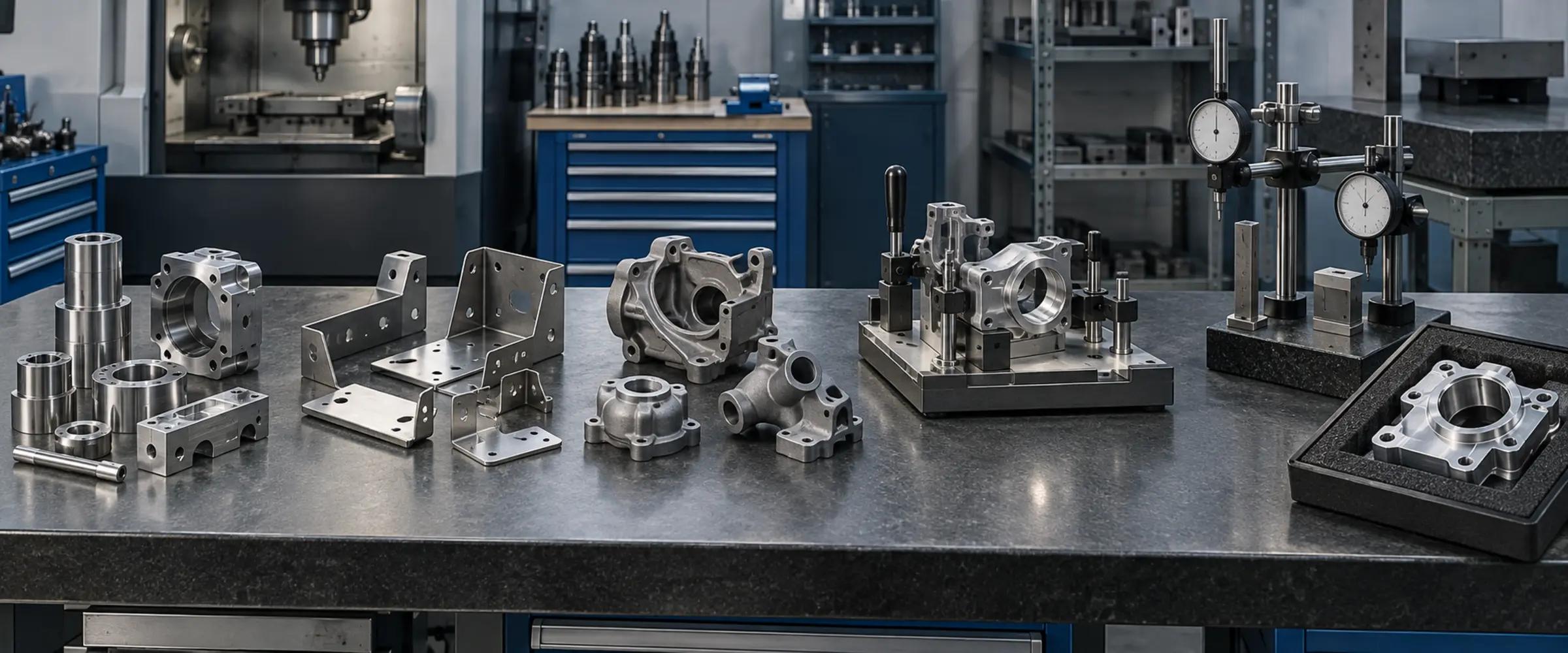
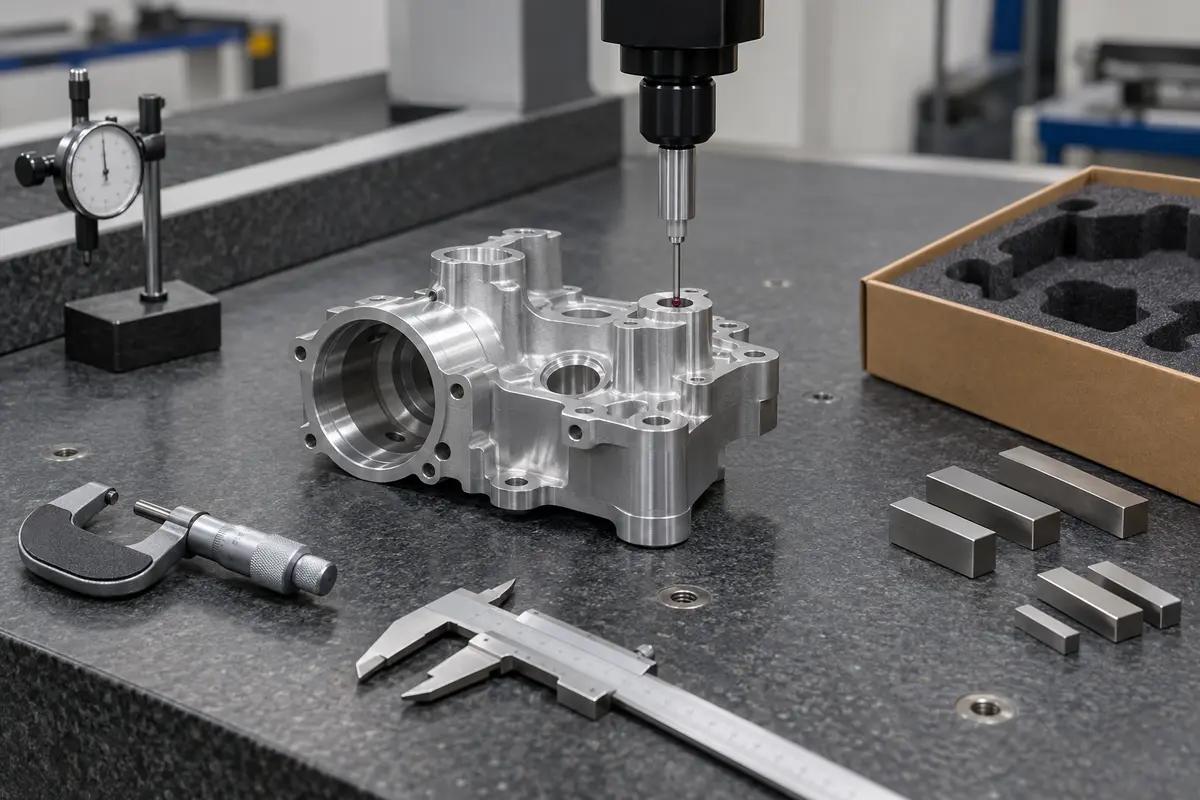
First articles for checking internal features, mounting points and assembly fit.
Process-representative components for reviewing geometry and secondary operations.
Formed enclosures for validating access, mounting and panel interfaces.
Functional components reviewed against motion, alignment and mating requirements.
Structural prototypes for evaluating connections, clearances and load paths.
Drawing-led builds with agreed revision status and validation objectives.
lightweight prototypes
load-bearing test parts
corrosion-resistant interfaces
conductive components
fit-check plastics
Confirm the material grade and available records against the prototype requirements.
Check critical features during the build and record issues that affect the next iteration.
Measure specified features against the current drawing and agreed first-article plan.
Review fit findings, inspection records and revision changes before production handoff.
01
Validate form, fit, function, material and finish.
02
Convert an approved first article into a documented launch run.
03
Carry the approved process, inspection and delivery plan into repeat demand.
01
Match the first-article route to design maturity, material and validation goals.
02
Use build and inspection findings to clarify the next design iteration.
03
Plan the transition from first articles to launch quantities and repeat batches.
04
Confirm critical features and mating interfaces against agreed acceptance criteria.
05
Maintain a clear connection between the sample, material and approved revision.
06
Review quantity, design maturity and validation needs before defining the quotation scope.
CAD models and early drawings can be reviewed to define a practical first-article plan. Share the design maturity, intended application and validation needs so open requirements can be identified.
CNC machining, casting, forging, sheet metal, finishing and assembly can be considered for prototype work. The route depends on geometry, material, quantity and what the prototype needs to validate.
First-article findings can inform changes to geometry, material, finish and assembly fit. Proposed revisions are reviewed with your team before the next build is released.
An approved first article can be followed by low-volume and batch production planning. The handoff includes agreed revisions, process requirements and inspection documentation.
CMM reports and first-article inspection records can be included when agreed for the project. Provide critical dimensions, measurement requirements and customer reporting formats with the RFQ.
Send the model, drawing, revision status, material and quantity. Include the intended validation work, finish and inspection requirements so the prototype route can be reviewed.
Send the model, drawing, target material and quantity. We will review the prototype route and define a clear path to the next production stage.
Related engineering and value-added services